

Close Menu

    Subscribe to Updates

    Get the latest creative news from FooBar about art, design and business.

    What's Hot

    Google’s Massive $40 Billion Investment in Anthropic: What This Means for the AI Industry

    April 26, 2026

    Apple Under Ternus: Returning Hardware to the Center of Apple’s Strategy

    April 26, 2026

    Why Tokyo is the Undisputed Tech Capital of 2026

    April 26, 2026
    Facebook X (Twitter) Instagram
    • AI tools
    • Editor’s Picks
    Facebook X (Twitter) Instagram Pinterest Vimeo
    Unlocking the Potential of best AIUnlocking the Potential of best AI
    • Home
    • AI

      ComfyUI Hits $500M Valuation: Creators Demand More Control Over AI Media

      April 26, 2026

      ComfyUI Secures $30 Million in Funding as Creators Demand Control Over AI Media

      April 25, 2026

      Google Workspace Update: Meet Your New AI Office Intern with Workspace Intelligence

      April 23, 2026

      OpenAI and Infosys Join Forces to Transform Enterprise Software Development with AI

      April 22, 2026

      Beyond the Hype: How 10x Science is Solving the Drug Discovery Bottleneck with $4.8M Seed Funding

      April 22, 2026
    • Tech
    • Marketing
      • Email Marketing
      • SEO
    • Featured Reviews
    • Contact
    Subscribe
    Unlocking the Potential of best AIUnlocking the Potential of best AI
    Home»AI»Japan’s Robot Revolution: Why Physical AI is Taking Over the Jobs Nobody Wants
    AI

    Japan’s Robot Revolution: Why Physical AI is Taking Over the Jobs Nobody Wants

    FelipeBy FelipeApril 6, 2026No Comments4 Mins Read
    Share Facebook Twitter Pinterest LinkedIn Tumblr Reddit Telegram Email
    Share
    Facebook Twitter LinkedIn Pinterest Email

    The Rise of Physical AI in Japan

    Across the Pacific, a quiet revolution is taking place that promises to reshape the future of work. As of 2026, Japan is leading the charge in implementing physical AI technology. This isn’t just about software or chatbots anymore; it is about tangible robots stepping into the workforce. The driving force behind this massive shift is a simple, stark reality: labor shortages. However, the approach Japan is taking offers a fascinating insight into what the future of automation might look like globally.

    Solving the Demographic Crisis

    Japan faces a unique demographic challenge that many other nations are only beginning to understand. With an aging population and a shrinking workforce, there simply aren’t enough people to fill every slot in the economy. From construction sites to nursing homes, the demand for labor is outstripping the supply. Instead of trying to force humans into roles they are physically unable to perform or find too difficult, Japan is choosing a different path.

    The government and private sector alike are pushing these pilot projects into real-world deployment. They are proving that experimental physical AI is ready for the real world. This move is not about replacing human creativity or decision-making; it is specifically targeted at the tasks that are physically demanding, repetitive, or potentially hazardous.

    The “Nobody Wants” Economy

    There is a specific economic category that robots are being deployed to fill: the jobs nobody wants. Think about the types of work that often require physical exertion but offer little social prestige or safety. These include cleaning, waste management, heavy lifting, and working in high-risk environments. These roles are often filled with a transient workforce or left undone entirely.

    By deploying physical AI, companies can maintain operations without relying on a dwindling labor pool. It allows human workers to transition into roles that require more cognitive skills, empathy, and creativity. Essentially, robots are taking over the drudgery, allowing humans to focus on the work that requires a human touch.

    From Pilot Projects to Production Lines

    For years, the robotics industry was plagued by the “valley of death” between research and application. Robots were often too expensive, too clumsy, or lacked the intelligence to handle real-world unpredictability. However, the landscape has shifted. Japan is demonstrating that these technologies have matured.

    Key Takeaway: The technology has moved from the lab to the factory floor. This transition validates the potential for widespread adoption in other industries.

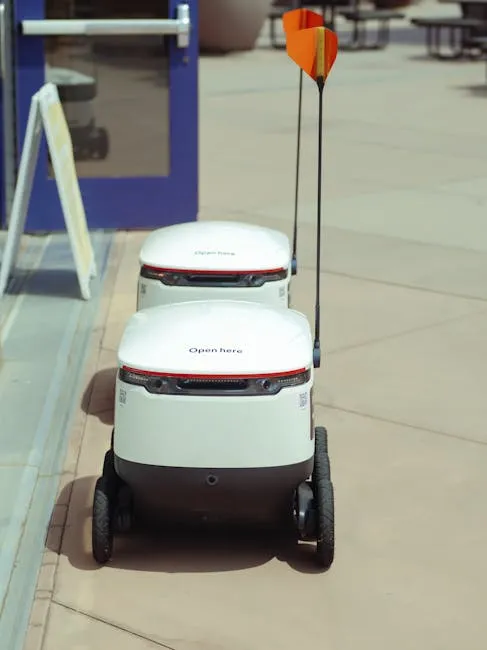
    The deployment is happening in sectors like logistics, healthcare assistance, and manufacturing. These robots are not just pre-programmed machines; they are adaptive systems that can navigate complex environments safely. This level of sophistication marks a significant milestone in the evolution of physical AI.

    Implications for the Global Market

    What does this mean for the rest of the world? As labor shortages become a global issue, the Japanese model provides a blueprint. Other nations are watching closely to see how this physical AI scales. If Japan can successfully integrate robots into the workforce without causing mass unemployment, but rather by reallocating labor to more suitable roles, that is a success story worth replicating.

    However, the technology also brings challenges. There are questions about the cost of implementation and the training required for workers to manage these new tools. Yet, the economic necessity suggests that these hurdles are worth overcoming. The goal is sustainability. By automating the undesirable tasks, the workforce remains productive, businesses remain profitable, and society maintains its essential functions.

    Looking Ahead

    The future of work is being written in factories and hospitals across Japan. It is a future where robots handle the heavy lifting, both literally and metaphorically. This shift represents a pragmatic approach to the challenges of modern labor markets. As physical AI matures, it will likely become a standard part of industrial and service sectors worldwide. The robot isn’t coming for your job in the traditional sense; it is filling the gaps that keep the economy running smoothly. For now, it is a partnership where humans and machines complement each other rather than compete.

    AI automation labor market physical AI robotics
    Share. Facebook Twitter Pinterest LinkedIn Tumblr Email
    Previous ArticleOpenAI Executive Shuffle: Brad Lightcap to Lead Special Projects, Kate Rouch Steps Away
    Next Article Can Orbital Data Centers Really Justify SpaceX’s Massive Valuation?
    Felipe

    Related Posts

    AI

    Google’s Massive $40 Billion Investment in Anthropic: What This Means for the AI Industry

    April 26, 2026
    Gadgets

    Apple Under Ternus: Returning Hardware to the Center of Apple’s Strategy

    April 26, 2026
    AI

    Why Tokyo is the Undisputed Tech Capital of 2026

    April 26, 2026
    Add A Comment

    Comments are closed.

    Top Posts

    WordPress Hosting Speed Battle 2025: We Tested 5 Hosts with 100k Monthly Visitors

    January 21, 20251,190 Views

    In-Depth Comparison: Claude vs. ChatGPT – Which AI Is Right for 2025?

    February 6, 2025292 Views

    10 Proven EmailSubject Line Strategies to Boost Open Rates by 50%

    January 21, 2025211 Views
    Stay In Touch
    • Facebook
    • YouTube
    • TikTok
    • WhatsApp
    • Twitter
    • Instagram
    Latest Reviews
    Blog

    Claude vs. ChatGPT: Which AI Assistant is Better?

    FelipeOctober 1, 2024
    Editor's Picks

    Top 10 Cybersecurity Practices for Online Privacy Protection

    FelipeSeptember 11, 2024
    Blog

    Top Tech Gadgets That Are Actually Worth Your Money in 2025

    FelipeSeptember 7, 2024

    Subscribe to Updates

    Get the latest tech news from FooBar about tech, design and biz.

    Most Popular

    WordPress Hosting Speed Battle 2025: We Tested 5 Hosts with 100k Monthly Visitors

    January 21, 20251,190 Views

    In-Depth Comparison: Claude vs. ChatGPT – Which AI Is Right for 2025?

    February 6, 2025292 Views

    10 Proven EmailSubject Line Strategies to Boost Open Rates by 50%

    January 21, 2025211 Views
    Our Picks

    Google’s Massive $40 Billion Investment in Anthropic: What This Means for the AI Industry

    April 26, 2026

    Apple Under Ternus: Returning Hardware to the Center of Apple’s Strategy

    April 26, 2026

    Why Tokyo is the Undisputed Tech Capital of 2026

    April 26, 2026

    Subscribe to Updates

    Get the latest creative news from FooBar about art, design and business.

    Facebook X (Twitter) Instagram Pinterest
    • Home
    • Tech
    • AI Tools
    • SEO
    • About us
    • Privacy Policy
    • Terms & Condtions
    • Disclaimer
    • Get In Touch
    © 2026 Aipowerss. All Rights Reserved.

    Type above and press Enter to search. Press Esc to cancel.