


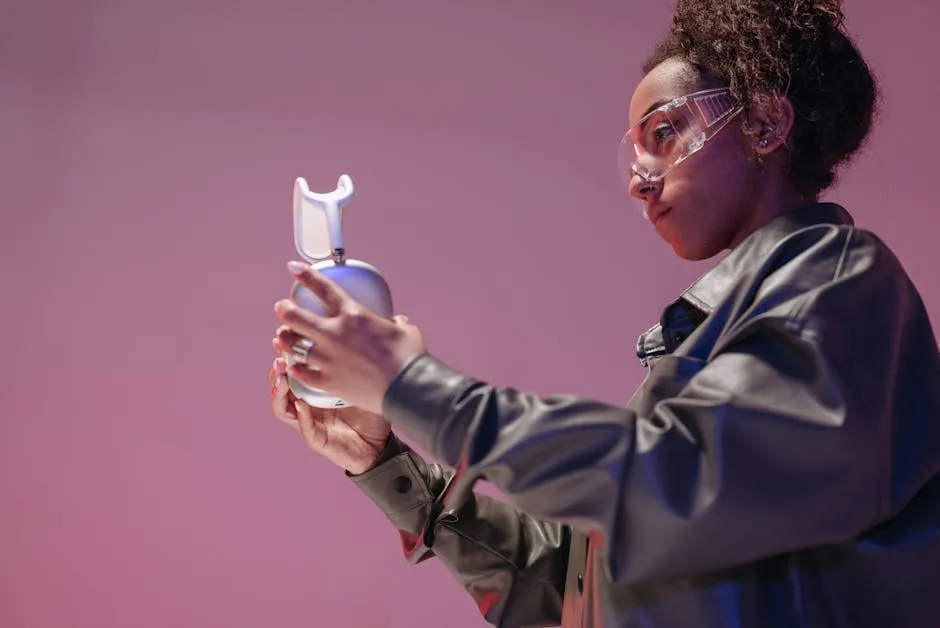
Apple’s Strategic Pivot: Four New Smart Glasses Designs Emerge as AR Ambitions Shift
For years, the tech community has watched Apple’s roadmap with bated breath, hoping to see the company’s next major wearable release. Recently, reports surfaced that are changing the narrative significantly. According to the latest information, Apple is reportedly testing four distinct designs for its upcoming smart glasses. This news marks a significant departure from the company’s earlier, more aggressive plans to launch a wide variety of mixed and augmented reality devices simultaneously.
While the original vision was ambitious, focusing on a broad ecosystem of AR headsets and smart glasses, the current approach suggests a more focused strategy. Instead of flooding the market with multiple heavy devices, Apple appears to be refining its form factor to prioritize wearability and subtlety. This shift signals that the company is listening to consumer feedback, acknowledging that true adoption of AR technology requires devices that feel like fashion rather than heavy computing hardware.
From Headsets to Glasses: A Fundamental Design Shift
The industry has seen several iterations of augmented reality hardware, from bulky prototypes to sleeker, albeit expensive, headsets. The decision to move from heavy mixed-reality headsets to lightweight smart glasses is a crucial evolution in the tech landscape. The four designs currently being tested likely explore different approaches to optics, battery placement, and integration with existing Apple hardware.
Design testing is rarely about just how a product looks; it is about ergonomics, comfort, and optical clarity. If Apple is testing four different designs, it implies a rigorous process of iteration. They are likely looking to solve common pain points associated with glasses-based AR: battery life, heat management, and weight distribution. A device that looks like regular eyewear but offers digital overlays represents the holy grail for many developers and consumers alike.
The Implications of Testing Multiple Models
When a major manufacturer tests multiple designs, it usually points to an internal struggle to find the perfect balance between hardware capabilities and consumer comfort. The goal is to create a device that does not feel like a computer strapped to your face. This move is a direct response to competitors in the market who have found success with lighter, camera-focused wearables.
By scaling back from a plan involving a “variety of mixed and augmented reality devices,” Apple is consolidating its resources. Instead of spreading thin across multiple product lines, they are focusing their engineering teams on perfecting a single, high-quality entry point into the spatial computing market. This consolidation allows for better quality control and a more robust software experience at launch.
Market Context and Competitive Landscape
The timing of this development is also significant. The market for smart glasses is heating up, with competitors like Meta pushing their Ray-Ban integration and other startups releasing camera-enabled wearables. Apple’s entry into this space is not just about hardware; it is about establishing an ecosystem. The upcoming smart glasses are expected to integrate deeply with the iPhone, iPad, and Mac, allowing users to manage notifications, take photos, and navigate interfaces without touching their devices.
However, the “step back” from the ambitious AR plan suggests that Apple is cautious about the technology’s current limitations. Battery technology and display resolution remain hurdles. By focusing on four specific designs, they may be waiting for a breakthrough in micro-OLED or battery density that allows for longer session times. This patience is a hallmark of Apple’s development style, where they often wait until the technology is mature enough to deliver a premium experience.
What This Means for the Future of Wearable Tech
As Apple refines these four designs, the implications for the broader tech industry are profound. If Apple can successfully launch a pair of smart glasses that are indistinguishable from regular eyewear, it could open the door for mass adoption of AR technology. Currently, AR is still largely confined to gaming, navigation, and productivity apps. A sleeker device could bring these capabilities into the mainstream.
Consumers are increasingly looking for devices that enhance their daily lives without becoming a distraction. The focus on design implies that Apple prioritizes user experience over raw specs. This is a shift from the “power user” mentality of early AR headsets to a “daily driver” mindset. We are seeing a trend where the device must blend seamlessly into daily life, acting as an extension of the senses rather than a separate machine.
Ultimately, the decision to test four designs and scale back the initial AR ambitions reflects a mature understanding of the market. It shows that Apple is preparing for a product that will redefine how we interact with digital information. Whether this leads to the next generation of smart glasses or a completely new category of device, the focus on wearability is the key takeaway. As testing concludes and designs are finalized, the tech world will be watching closely to see which of the four makes it to production, and how they shape the future of computing.
