


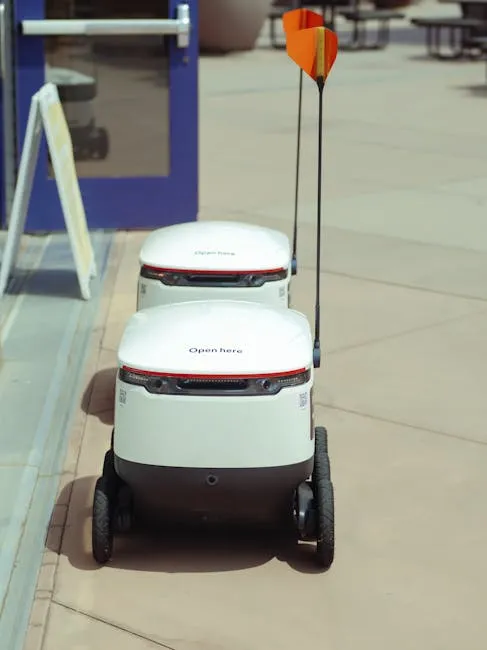
The Rise of Physical AI in Japan
Across the Pacific, a quiet revolution is taking place that promises to reshape the future of work. As of 2026, Japan is leading the charge in implementing physical AI technology. This isn’t just about software or chatbots anymore; it is about tangible robots stepping into the workforce. The driving force behind this massive shift is a simple, stark reality: labor shortages. However, the approach Japan is taking offers a fascinating insight into what the future of automation might look like globally.
Solving the Demographic Crisis
Japan faces a unique demographic challenge that many other nations are only beginning to understand. With an aging population and a shrinking workforce, there simply aren’t enough people to fill every slot in the economy. From construction sites to nursing homes, the demand for labor is outstripping the supply. Instead of trying to force humans into roles they are physically unable to perform or find too difficult, Japan is choosing a different path.
The government and private sector alike are pushing these pilot projects into real-world deployment. They are proving that experimental physical AI is ready for the real world. This move is not about replacing human creativity or decision-making; it is specifically targeted at the tasks that are physically demanding, repetitive, or potentially hazardous.
The “Nobody Wants” Economy
There is a specific economic category that robots are being deployed to fill: the jobs nobody wants. Think about the types of work that often require physical exertion but offer little social prestige or safety. These include cleaning, waste management, heavy lifting, and working in high-risk environments. These roles are often filled with a transient workforce or left undone entirely.
By deploying physical AI, companies can maintain operations without relying on a dwindling labor pool. It allows human workers to transition into roles that require more cognitive skills, empathy, and creativity. Essentially, robots are taking over the drudgery, allowing humans to focus on the work that requires a human touch.
From Pilot Projects to Production Lines
For years, the robotics industry was plagued by the “valley of death” between research and application. Robots were often too expensive, too clumsy, or lacked the intelligence to handle real-world unpredictability. However, the landscape has shifted. Japan is demonstrating that these technologies have matured.
Key Takeaway: The technology has moved from the lab to the factory floor. This transition validates the potential for widespread adoption in other industries.
The deployment is happening in sectors like logistics, healthcare assistance, and manufacturing. These robots are not just pre-programmed machines; they are adaptive systems that can navigate complex environments safely. This level of sophistication marks a significant milestone in the evolution of physical AI.
Implications for the Global Market
What does this mean for the rest of the world? As labor shortages become a global issue, the Japanese model provides a blueprint. Other nations are watching closely to see how this physical AI scales. If Japan can successfully integrate robots into the workforce without causing mass unemployment, but rather by reallocating labor to more suitable roles, that is a success story worth replicating.
However, the technology also brings challenges. There are questions about the cost of implementation and the training required for workers to manage these new tools. Yet, the economic necessity suggests that these hurdles are worth overcoming. The goal is sustainability. By automating the undesirable tasks, the workforce remains productive, businesses remain profitable, and society maintains its essential functions.
Looking Ahead
The future of work is being written in factories and hospitals across Japan. It is a future where robots handle the heavy lifting, both literally and metaphorically. This shift represents a pragmatic approach to the challenges of modern labor markets. As physical AI matures, it will likely become a standard part of industrial and service sectors worldwide. The robot isn’t coming for your job in the traditional sense; it is filling the gaps that keep the economy running smoothly. For now, it is a partnership where humans and machines complement each other rather than compete.
