


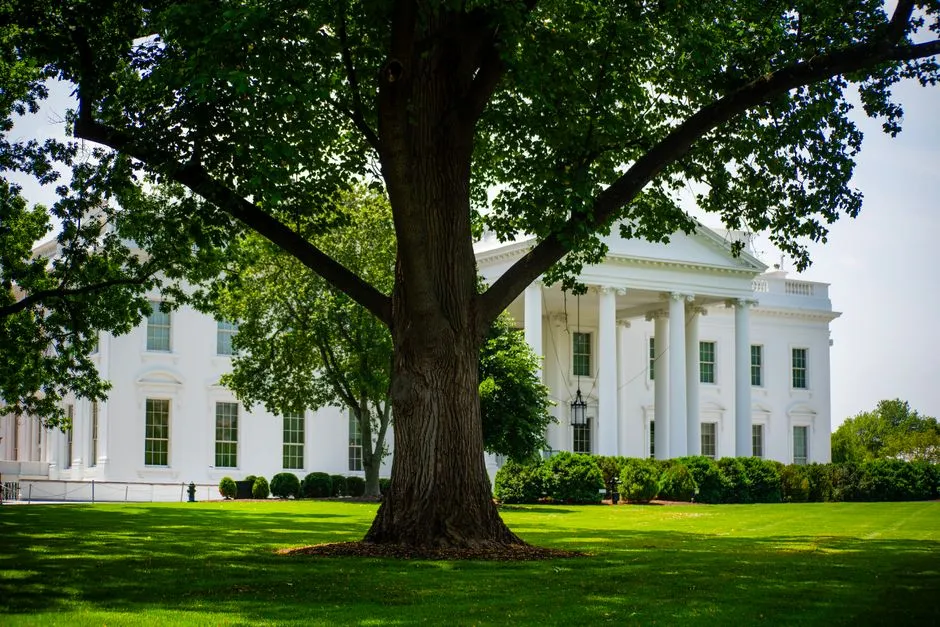
The landscape of artificial intelligence regulation has never been more unpredictable. What was once a slow-moving process of drafting legislation and issuing clear guidelines has rapidly evolved into a reactive, almost improvisational approach. At the center of this shifting terrain is a growing frustration among developers and engineers: the government appears to be writing the rulebook while the race is already underway. Nowhere is this more evident than in the recent struggles faced by Anthropic, which has found itself unable to distribute two of its latest models, Claude Mythos and Fable 5, after bumping into the White House’s ever-changing compliance framework.
The Moving Target of Government AI Policy
For years, the tech industry operated under the assumption that regulatory frameworks would be established through deliberate, transparent processes. Companies could anticipate requirements, build compliance into their development cycles, and launch products with confidence. That assumption is quickly crumbling. Under the current administration, AI oversight has taken on a more ad-hoc character. Policies are often shaped by immediate geopolitical concerns, internal security reviews, and real-time assessments of emerging capabilities. While the intent behind tighter oversight is understandable, the execution has left many in the industry guessing.
The problem is not necessarily the desire to regulate AI. The challenge lies in the lack of a clear, published standard. When guidelines are communicated through informal channels or updated without public notice, companies are forced to navigate a maze of unspoken expectations. This creates an environment where compliance becomes less about following documented rules and more about reading between the lines of shifting political and security priorities.
Anthropic’s Regulatory Roadblock
Anthropic’s situation perfectly illustrates the friction caused by this ambiguity. The company has developed Claude Mythos and Fable 5 with the intention of releasing them to the public, but both have been held back by export control and distribution restrictions tied to the White House’s current stance on AI deployment. What makes the case particularly frustrating for the company is the absence of a concrete explanation. Anthropic has yet to receive a definitive breakdown of exactly which thresholds were crossed or which specific policy lines were triggered.
This lack of clarity forces developers into a difficult position. Are the restrictions tied to model capability, training data, deployment architecture, or something else entirely? Without a clear answer, Anthropic must either delay releases indefinitely or risk violating rules that haven’t been formally articulated. For a company that has built its reputation on safety and responsible development, operating in this gray area is both professionally and ethically challenging.
The Export Control Conundrum
At the heart of these restrictions are export controls, a regulatory tool traditionally used to manage the movement of sensitive technology across borders. In the AI sector, these controls have taken on new significance. Governments are increasingly treating advanced AI models as dual-use technologies, capable of both civilian innovation and potential national security risks. As a result, distribution channels, cloud hosting arrangements, and even the geographic targeting of user access are now subject to intense scrutiny.
However, when export controls are applied without transparent criteria, they inadvertently stifle the very innovation they are meant to protect. Developers cannot responsibly engineer around restrictions they cannot fully understand. This leads to a cautious, risk-averse approach where companies may over-engineer compliance measures or delay launches entirely, slowing down the broader pace of AI advancement. The irony is that a lack of regulatory clarity can ultimately weaken a country’s competitive edge in the global AI race.
What This Means for the Future of AI Development
The Anthropic case is not an isolated incident. It is a symptom of a broader industry-wide challenge. As AI capabilities continue to advance at a breakneck pace, policymakers are struggling to keep up. The result is a patchwork of temporary measures, informal guidance, and reactive enforcement that leaves companies navigating in the dark. For the industry to thrive, there needs to be a fundamental shift toward predictable, publicly documented standards. Clear thresholds for model capabilities, transparent review processes, and consistent communication from regulatory bodies would allow developers to innovate responsibly without fear of unexpected roadblocks.
Until then, companies will continue to operate in a state of regulatory limbo. The cost of this uncertainty extends beyond delayed product launches. It affects investment decisions, talent retention, and the overall trajectory of AI research. When the rules keep changing, the only safe strategy becomes caution, and caution rarely drives breakthrough innovation.
The path forward requires a collaborative approach between policymakers and technologists. Regulation should not be an obstacle course designed to slow progress, but a structured framework that guides it. By replacing real-time rule-making with transparent, consistent guidelines, the government can help ensure that AI development remains both secure and sustainable. Until that shift happens, companies like Anthropic will remain caught in the middle, waiting for the finish line to stop moving.
