


The Core of the Complaint
A growing tension between tech giants and the communities they operate in has come to a head in Seattle. Three Amazon software engineers recently filed a formal complaint with the city’s civil rights office, alleging that they are currently under internal investigation for expressing their personal political views. The engineers claim the company is retaliating against them for speaking out against Amazon’s rapid expansion of data centers, a move they argue has significant environmental and community impacts.
This isn’t just a routine workplace dispute. The workers are leveraging Washington state’s robust legal protections for off-duty speech, arguing that their political commentary falls squarely within their rights as employees. By taking this case to a civil rights board, they are drawing a sharp line between corporate policy and personal advocacy, raising important questions about how much control tech companies can exert over what their employees say outside the office.
Why Data Centers Are Sparking Such Intense Debate
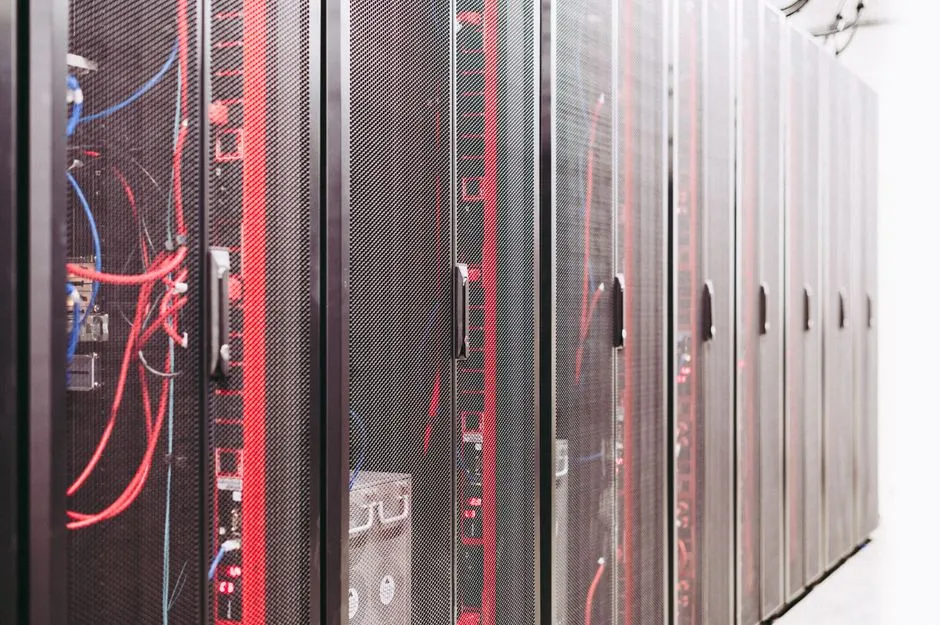
To understand why this complaint has gained traction, it helps to look at the broader landscape of modern tech infrastructure. The artificial intelligence boom has triggered an unprecedented demand for computing power. Companies like Amazon, through its Amazon Web Services (AWS) division, are racing to build massive data centers to house the servers required to train and run large language models.
However, these facilities are not without controversy. Data centers consume enormous amounts of electricity and require vast quantities of water for cooling systems. In regions like the Pacific Northwest, where environmental preservation is a core cultural value, these projects often face stiff local opposition. Communities worry about strained power grids, increased carbon footprints, and the diversion of water resources. When employees begin voicing these concerns publicly, they are often stepping into a complex intersection of corporate strategy, environmental policy, and public relations.
The Legal Shield for Tech Workers
Washington state has some of the strongest employee speech protections in the country. Laws governing off-duty conduct generally prevent employers from penalizing workers for political activities or public commentary, provided that speech does not interfere with job performance or create a hostile work environment. Seattle’s civil rights office specifically handles cases where individuals believe they have been unlawfully retaliated against for exercising these rights.
The engineers in this case are arguing that Amazon’s internal investigation crosses the line from standard workplace oversight into illegal retaliation. They maintain that their comments were personal political expressions made outside of work hours, and that launching a formal probe against them creates a chilling effect on workplace free speech. If their complaint holds merit, it could set a meaningful precedent for how tech companies handle employee activism in the future.
What This Means for the Tech Industry
This situation highlights a broader cultural shift happening across the technology sector. Tech workers are no longer just focused on code and product releases; they are increasingly vocal about the ethical, environmental, and social implications of the platforms they help build. From AI ethics debates to climate impact assessments, employees are demanding transparency and accountability.
For companies operating at Amazon’s scale, navigating employee speech is a delicate balancing act. Organizations need to maintain professional standards and protect trade secrets, but they also must respect legal boundaries and foster a culture where workers feel safe expressing their views. When internal investigations are launched in response to public commentary, it often signals a breakdown in that balance. Industry observers will be watching closely to see how the civil rights office rules, as the outcome could influence how major tech firms structure their internal policies around political speech and infrastructure opposition.
Looking Ahead
The complaint filed by these three engineers is more than a localized workplace issue; it is a snapshot of a larger conversation about corporate power, community impact, and worker rights in the age of AI. As data center construction accelerates across the United States, similar tensions are likely to emerge in other tech hubs. How companies choose to respond will define not only their public reputation but also the future of employee advocacy in the technology sector. For now, the ball is in the court of Seattle’s civil rights office, and the tech industry is waiting to see what happens next.
