


Meta Opens Up WhatsApp for Rival AI Bots in Brazil
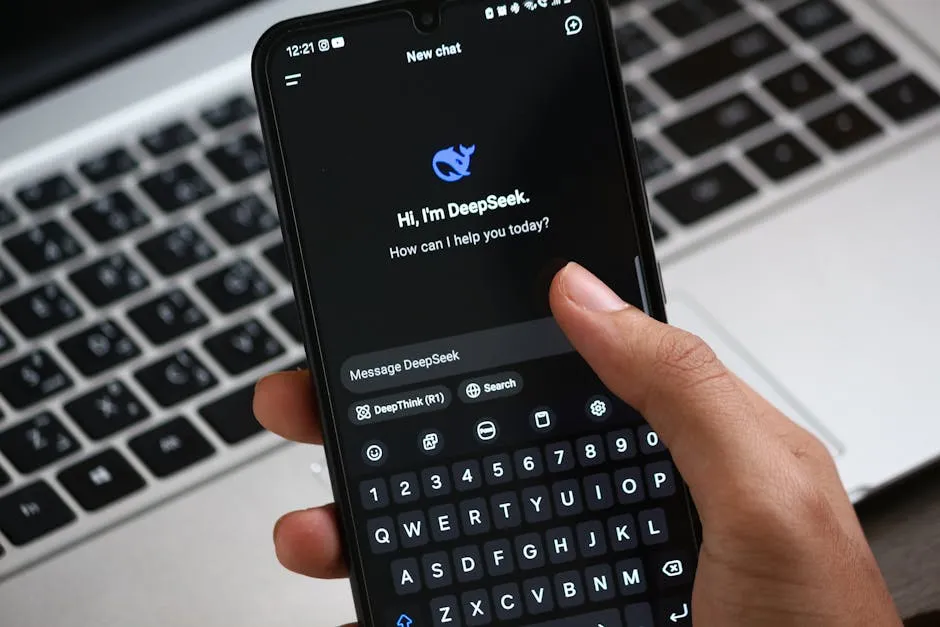
In a significant shift for the messaging giant, Meta has confirmed that WhatsApp will allow rival AI companies to offer their chatbots directly within the app. This expansion comes after Brazil users gain access to these tools, following a similar decision made earlier for European markets. This move marks a pivotal moment in how consumers interact with artificial intelligence on their most-used communication platforms.
Previously, WhatsApp had restricted third-party AI integrations, focusing primarily on its own ecosystem or Meta’s internal AI models. However, the regulatory landscape and changing user expectations have pushed the company to rethink its strategy. By opening the door to competitors, Meta aims to foster innovation while maintaining control over how these interactions are monetized.
A Fee-Based Model for Third-Party Developers
Crucially, this isn’t a free-for-all. The new policy allows rival AI companies to provide chatbots via WhatsApp for a fee. This structure suggests that while users might see more options on their screen, there could be costs associated with accessing certain advanced features or premium AI capabilities. For businesses looking to integrate these bots into their customer service workflows, this opens up a marketplace where different vendors can compete based on the quality and specificity of their models.
This approach mirrors recent regulatory pressures in Europe, where strict guidelines on data privacy and user control have influenced tech giants’ policies. By following suit, Meta signals that it is aligning its global strategy with these emerging standards while still looking for ways to generate revenue through partnerships rather than just ad impressions.
What This Means for Brazilian Users
For the average WhatsApp user in Brazil, this change means a wider variety of tools available directly within their chat interface. Whether it is for scheduling appointments, answering complex queries, or managing local business needs, having multiple AI vendors creates competition that could lead to better, faster, and more accurate responses.
However, users should remain aware of how their data is handled by these third-party entities. Even though Meta controls the interface, the underlying models belong to different companies. This transparency regarding who owns the conversation data is becoming increasingly important as artificial intelligence technology becomes more embedded in our daily lives.
The Road Ahead for AI in Messaging
This development sets a precedent that could ripple through other messaging apps and platforms globally. If successful in Brazil, similar expansions might follow in other regions where regulatory frameworks are less restrictive than in Europe or the United States. It highlights a broader trend: tech companies are moving away from total control towards an open marketplace model, provided they can manage the risks associated with third-party content.
As we watch how this plays out over the coming months, it will be interesting to see which AI providers rise to the top in this new ecosystem. For now, the integration of rival chatbots into WhatsApp represents a bold step toward democratizing access to advanced AI tools within a platform billions of people use every day.
