


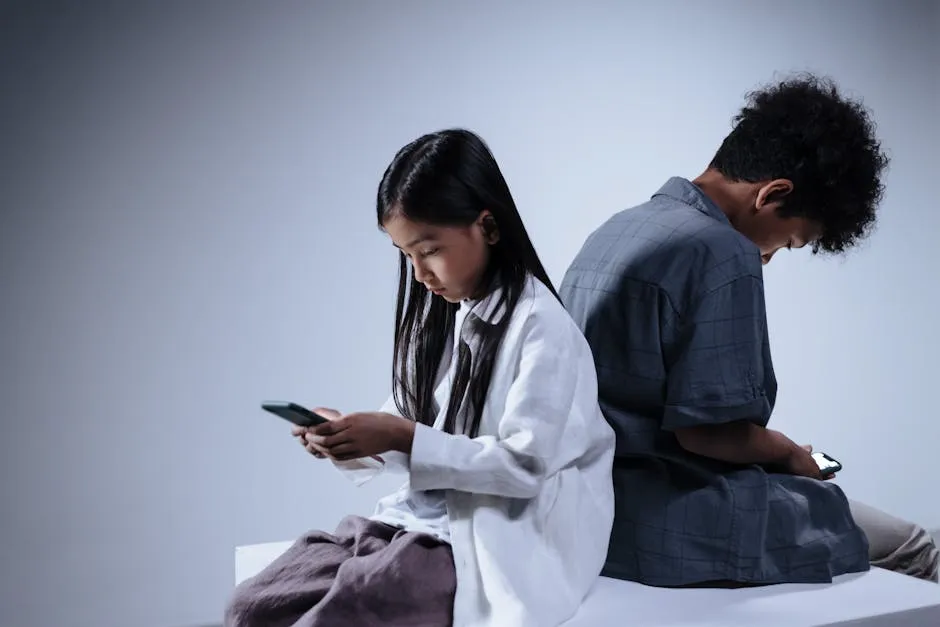
The Future of Communication: Are Smartphones on Their Way Out?
In a world where technology evolves at lightning speed, the tools we use for communication are constantly changing. A bold prediction has emerged from industry experts like Callaghan, who asserts that our reliance on smartphones, particularly iPhones, may soon be a thing of the past. “We’re not going to be using iPhones in 10 years,” he states flatly. “I kind of don’t think we’ll be using them in five years.”
Understanding the Shift
But what might replace our beloved smartphones? The answer is not straightforward, as it likely involves an array of emerging technologies and innovations. The decline of smartphones may be driven by several factors, including the rise of alternative communication devices, advancements in artificial intelligence, and the increasing integration of technology into our daily lives.
Emerging Technologies on the Horizon
As we look ahead, there are a few key technologies that could reshape how we communicate:
- Wearable Devices: Smartwatches and health trackers are already gaining traction, allowing users to communicate and access information without a smartphone. Future iterations may include even more advanced functionalities, such as augmented reality displays.
- Voice-Activated Assistants: AI-powered assistants like Alexa and Google Assistant are becoming more sophisticated. As they integrate seamlessly into our homes and workplaces, they could diminish our need for traditional smartphones.
- Augmented and Virtual Reality: These technologies have the potential to revolutionize how we interact with each other and our environments. Imagine attending a virtual meeting or socializing with friends in a virtual space, eliminating the need for a physical device.
- Smart Home Integration: As smart homes become more prevalent, the need for a central device may wane. Home automation systems could control everything from communication to entertainment, streamlining our interactions.
The Role of AI in Communication
Artificial intelligence is a driving force behind many of these innovations. With advancements in adaptive AI, our devices may soon be able to predict our needs and preferences, making communication more intuitive. This could lead to a world where technology is not just a tool, but an integral part of our daily interactions.
Consumer Behavior and Technology Adoption
Consumer behavior will also play a significant role in this transition. As younger generations grow up with a different relationship to technology, their preferences may steer the market. The expectation for seamless and immersive communication experiences could push manufacturers to explore alternatives to traditional smartphones.
Conclusion
While it may seem premature to predict the demise of smartphones, the rapid pace of technological advancement cannot be ignored. As we embrace new forms of communication, the landscape of how we connect with one another will undoubtedly evolve. Whether it’s through wearable devices, AI assistants, or immersive technologies, the future may look vastly different than today’s smartphone-centric world. As we advance, it will be fascinating to see what new innovations will take their place and how they will redefine our interactions.
