


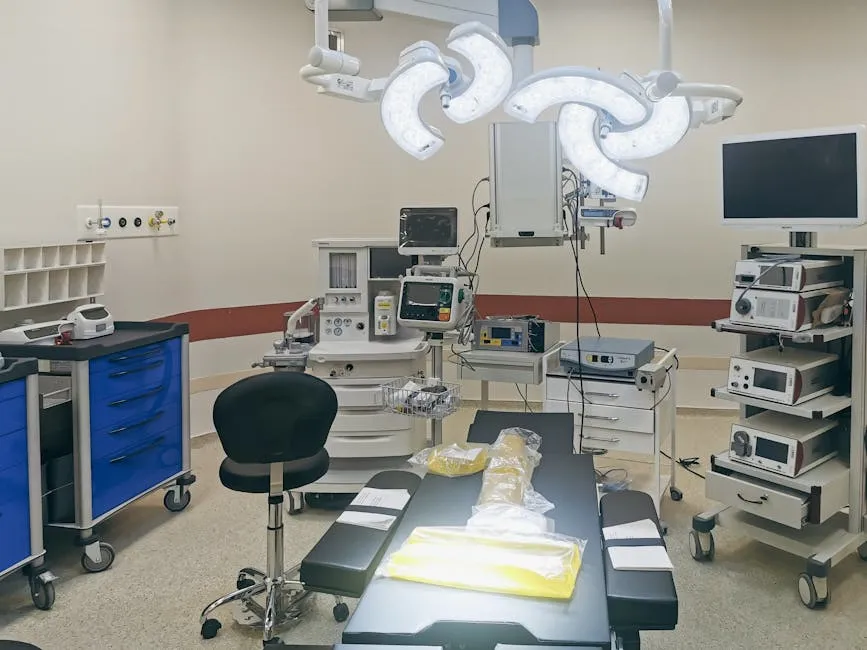
Revolutionizing Operating Room Efficiency: How AI Can Transform Healthcare Coordination
In recent years, the potential of artificial intelligence (AI) to reshape various sectors, including healthcare, has garnered immense attention. However, amidst the excitement and hype surrounding AI and robotics, a pressing issue remains largely overlooked: the inefficiencies in operating room (OR) coordination.
The Hidden Costs of Operating Room Delays
Did you know that hospitals lose between two to four hours of operating room time every single day? Surprisingly, this loss isn’t primarily due to the duration of surgeries themselves but stems from a myriad of factors related to scheduling and coordination. From manual scheduling processes to chaotic communication among staff, these inefficiencies significantly impact hospital operations and patient care.
When surgeries are delayed, the consequences ripple through the healthcare system, affecting not just the patients waiting for operations but also the overall efficiency of hospital workflows. The result? Increased costs for hospitals and a diminished quality of care for patients.
Enter AI: A Solution for Operating Room Coordination
Recognizing the critical need for better coordination in the operating room, innovative startups are stepping up to the challenge. By leveraging AI technology, these companies aim to streamline scheduling, enhance communication among staff, and reduce the guesswork involved in OR management.
AI can analyze historical data to predict surgery durations, anticipate potential delays, and optimize scheduling. By automating these processes, hospitals can not only reclaim valuable OR time but also improve the overall experience for both surgeons and patients.
Real-World Application: A Case Study
One startup at the forefront of this transformation is focused on developing AI-driven solutions tailored specifically for operating room management. Their platform integrates seamlessly with existing hospital systems, providing real-time insights and analytics that empower surgical teams to make informed decisions.
For instance, the AI can suggest optimal timings for surgeries based on various factors, such as staff availability and historical surgery data. This proactive approach not only minimizes delays but also enhances patient satisfaction by ensuring timely interventions.
The Future of AI in Healthcare
As healthcare continues to evolve, the integration of AI into operating room coordination represents just the tip of the iceberg. The potential applications of AI in healthcare are vast, from predictive analytics to personalized medicine, and the benefits they bring are undeniable.
In conclusion, while the healthcare industry grapples with challenges related to operating room inefficiencies, AI presents a viable solution. Startups dedicated to improving OR coordination through advanced technology are paving the way for a future where hospitals can operate more efficiently and effectively, ultimately leading to better patient outcomes. The journey has just begun, and the possibilities are limitless.
