


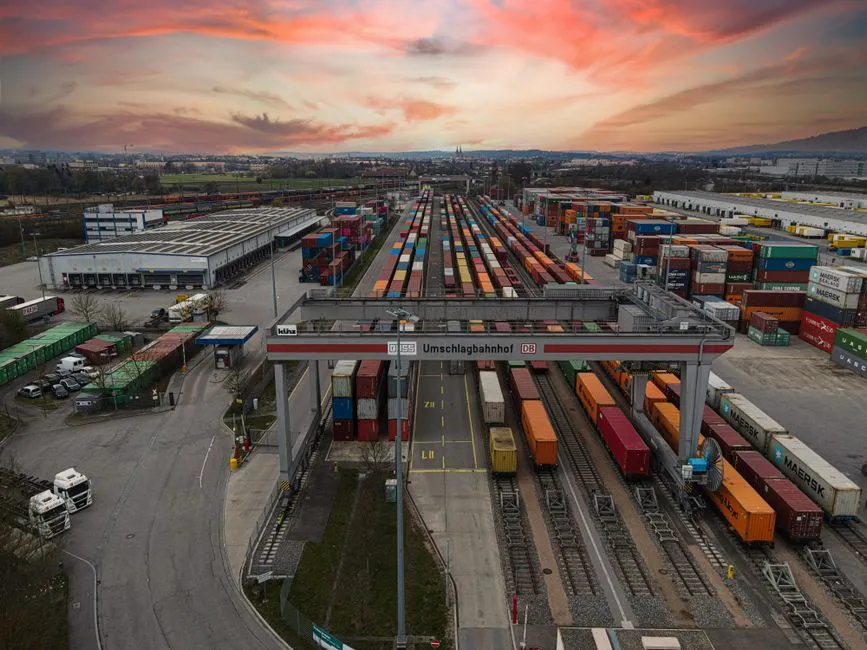
Supply chains are far more complex than they used to be. A single product may pass through multiple suppliers, warehouses, freight carriers, and distribution centers before it reaches a customer. Along the way, demand can shift, suppliers can miss deadlines, ports can become congested, and global events can disrupt entire routes. In that kind of environment, relying only on spreadsheets and manual planning is no longer enough.
This is where AI in supply chain optimization becomes especially valuable. Artificial intelligence can help businesses anticipate problems before they happen, make faster decisions, and keep operations running smoothly even when conditions change. Instead of simply reacting after a disruption occurs, companies can use AI to prepare for it in advance.
Why Modern Supply Chains Need Smarter Tools
Managing a supply chain means staying prepared for changes in demand, shifts in supplier reliability, and global disruptions. These challenges are not isolated to one industry. Retailers, manufacturers, logistics providers, and e-commerce companies all face pressure to deliver products faster, reduce costs, and maintain customer trust.
The problem is that supply chains generate enormous amounts of data. Sales history, inventory levels, shipping times, weather patterns, supplier performance, and customer behavior all matter. A human team can review some of this information, but it is difficult to process it all in real time. AI systems can analyze those signals much faster and identify patterns that might otherwise be missed.
That is the core advantage: AI turns scattered data into clearer insight. It helps decision-makers understand what is happening now, what is likely to happen next, and what action should be taken.
How AI Improves Supply Chain Optimization
Demand Forecasting
One of the biggest challenges in supply management is predicting demand. If a company orders too much inventory, it ties up cash and storage space. If it orders too little, it risks stockouts and lost sales. AI can improve forecasting by analyzing historical sales data, seasonality, promotions, market trends, and even external factors such as weather or regional events.
For example, a retailer may notice that demand for certain products rises sharply during specific weather conditions or after a marketing campaign. AI can detect these patterns and adjust inventory recommendations accordingly. This kind of forecasting is more dynamic than traditional methods because it can update as new data comes in.
Inventory and Warehouse Decisions
Inventory is one of the most expensive parts of a supply chain. Keeping the right amount of stock in the right location is critical. AI can help optimize inventory levels by analyzing demand forecasts, lead times, supplier performance, and storage capacity.
It can also support warehouse operations by recommending where products should be stored, how staff should prioritize picking tasks, and how to balance workloads across shifts. These improvements can reduce handling time, lower operational costs, and make fulfillment more efficient.
Supplier Risk Monitoring
Supplier reliability is another major concern. A business may depend on a supplier that has a strong track record one quarter and experience delays the next. AI can help monitor supplier performance by tracking delivery times, quality issues, communication delays, and external risk signals.
When a supplier begins to show warning signs, the system can flag the issue early. That gives procurement teams time to find alternatives, renegotiate terms, or adjust production plans. In a supply chain where delays can cascade quickly, early warning is one of the most valuable things AI can provide.
Logistics and Routing
Transportation is another area where AI can make a real difference. Route optimization can reduce fuel costs, improve delivery speed, and make better use of available vehicles. AI systems can evaluate traffic conditions, delivery windows, vehicle capacity, and destination priorities to recommend the most efficient path.
For companies with large distribution networks, even small improvements in routing can add up to significant savings over time. AI can also help with load planning, ensuring that trucks or containers are used more effectively and that shipments arrive when they are needed.
End-to-End Visibility
One of the biggest benefits of AI in supply chain optimization is improved visibility. When data from multiple systems is connected, teams can see a clearer picture of what is happening across the network. They can track goods in transit, monitor warehouse stock, and identify bottlenecks before they become major problems.
This kind of visibility is especially useful during disruptions. If a port is delayed or a supplier misses a delivery, AI can help model the impact and suggest alternatives, such as rerouting shipments or adjusting production schedules.
Practical Benefits for Businesses
When AI is used effectively, it can bring several practical benefits to supply chain operations:
- Improved forecasting accuracy, which helps reduce both overstock and stockouts
- Lower operating costs through better inventory control and transportation efficiency
- Faster decision-making using real-time data instead of waiting for manual reports
- Stronger supplier management through early detection of performance issues
- Better customer experience due to more reliable delivery and product availability
These benefits do not just help one department. They improve the performance of the entire organization. When supply chain planning is more accurate, sales, finance, operations, and customer service all benefit from greater stability.
Challenges to Consider
AI is powerful, but it is not a magic solution. Companies still need quality data, clear processes, and the right people to interpret and act on insights. If data is incomplete or inconsistent, AI models may produce misleading recommendations. That is why data governance and system integration are essential.
Businesses also need to consider where to start. Trying to implement AI across the entire supply chain at once can be overwhelming. A more practical approach is to begin with a specific problem, such as demand forecasting or route optimization, prove the value, and then expand from there.
Final Thoughts
AI in supply chain optimization is not just about automation. It is about making supply chains more responsive, resilient, and efficient. By analyzing large amounts of data in real time, AI helps businesses anticipate demand, manage inventory more intelligently, monitor supplier risk, and improve logistics performance. In a world where disruptions are increasingly common, that kind of foresight is a serious competitive advantage.
For companies that want to stay ahead, the goal is not simply to use AI, but to use it in a way that improves daily decisions and strengthens the entire supply network. When done well, AI-powered supply chain optimization can turn uncertainty into something much more manageable.
Related read: AI Race 2026: Why Chips, Infrastructure, Security, and Trust Matter More Than Chatbots
