


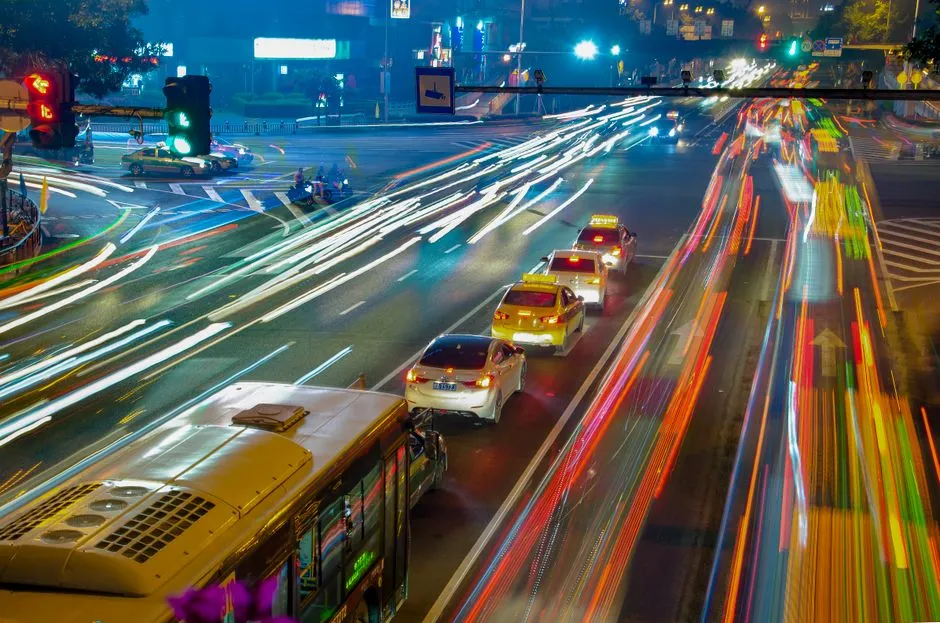
Artificial intelligence is changing the way people and goods move through the world. From driverless cars and autonomous buses to delivery robots and intelligent traffic systems, AI is helping transportation become more automated, connected, and responsive. What once seemed like science fiction is now being tested and deployed in cities, warehouses, airports, and logistics networks.
Autonomous transportation does not simply mean removing a driver from a vehicle. It involves a combination of computer vision, machine learning, sensors, mapping technology, robotics, connectivity, and decision-making systems. Together, these technologies allow vehicles and machines to understand their surroundings, predict potential hazards, and choose appropriate actions with limited human intervention.
How AI Powers Autonomous Vehicles
Autonomous vehicles rely on several layers of artificial intelligence to operate safely. Cameras can identify lane markings, traffic lights, pedestrians, cyclists, and road signs. Radar systems help measure the distance and speed of nearby objects, while other sensors can create a detailed view of the vehicle’s environment. Some systems also use highly precise mapping data to understand road layouts and common traffic patterns.
AI software processes this information in real time. It must determine what is happening around the vehicle, predict how other road users may behave, and select a safe response. For example, a self-driving car may recognize that a pedestrian is approaching a crosswalk, estimate whether that person intends to cross, and slow down before reaching the intersection.
This process requires more than simple programming. Roads are unpredictable, and situations often vary from one moment to the next. Machine learning models are trained using large collections of driving data so they can recognize a wide range of environments and unusual scenarios. The goal is to help the vehicle respond consistently, even when weather, traffic, or road conditions change.
Driverless Cars and Autonomous Buses
Driverless cars are among the most visible examples of autonomous transportation. These vehicles are being developed for personal travel, ride-hailing services, and commercial fleets. Instead of relying entirely on a human driver, they use AI to manage acceleration, braking, steering, navigation, and interactions with surrounding traffic.
Autonomous buses are another promising application. Fixed-route buses operate in predictable environments, which can make them easier to automate than vehicles traveling anywhere. AI-powered buses may be used on university campuses, at airports, in business districts, or within planned urban communities. They can support public transportation by providing frequent service, improving accessibility, or operating on routes where hiring drivers is difficult.
However, autonomous buses still need to handle complex situations, including crowded stops, road construction, emergency vehicles, and unpredictable pedestrian behavior. In many cases, human supervisors remain involved so they can monitor operations and intervene if necessary.
Smart Delivery Robots and Autonomous Logistics
AI is also reshaping the movement of packages and food. Small delivery robots can travel along sidewalks or through private facilities, carrying orders over short distances. These machines use cameras, sensors, and navigation software to avoid obstacles, recognize crossings, and adjust their routes.
In warehouses, autonomous mobile robots transport shelves, packages, and materials between different workstations. AI helps coordinate fleets of robots, identify the most efficient routes, and prioritize urgent tasks. This can reduce walking time for employees, speed up fulfillment, and improve inventory movement.
Autonomous delivery systems may be particularly valuable for last-mile logistics, which is often one of the most expensive and time-consuming parts of shipping. Robots, automated vehicles, and AI-based route planning can help businesses reduce fuel use, manage delivery volumes, and respond more effectively to changing demand.
Benefits of AI in Transportation
- Improved safety: AI does not become distracted, tired, or emotionally affected in the same way a human driver can. Properly designed systems may help reduce accidents caused by human error.
- Greater efficiency: Intelligent routing can reduce unnecessary travel, limit congestion, and improve fleet utilization.
- More accessible mobility: Autonomous services could help people who cannot drive, including older adults and individuals with certain disabilities.
- Lower operating costs: Businesses may reduce fuel consumption, delivery delays, and some labor-intensive transportation tasks.
- Reduced environmental impact: Smoother driving, optimized routes, and the use of electric autonomous vehicles may help reduce emissions.
Challenges and Safety Concerns
Despite its potential, autonomous transportation faces significant challenges. AI systems must operate safely in poor weather, heavy traffic, construction zones, and unfamiliar environments. Snow, rain, fog, glare, and damaged road markings can make it harder for sensors and cameras to interpret the surroundings.
Safety is also connected to cybersecurity. Connected vehicles and transportation networks could become targets for unauthorized access, data theft, or system disruption. Manufacturers and operators need strong security measures, regular software updates, and carefully designed emergency procedures.
Privacy is another important issue. Autonomous vehicles may collect information about locations, passengers, road conditions, and nearby objects. Clear rules are needed to determine how that data is stored, protected, and used.
The Role of Regulation and Human Oversight
Government regulations will play an essential role in determining how quickly autonomous transportation develops. Safety standards must define how vehicles are tested, how incidents are investigated, and who is responsible when an automated system fails. Regulations also need to address insurance, accessibility, data protection, and the responsibilities of human supervisors.
Human oversight is likely to remain part of many autonomous transportation systems for years to come. Some vehicles may operate independently under normal conditions while allowing a remote operator or onboard professional to handle unusual events. This gradual approach can help companies test new technology while building public trust.
What the Future of Autonomous Transportation May Look Like
The future will probably not involve every vehicle becoming fully autonomous at once. Instead, transportation may develop through different levels of automation. Cars could take over highway driving before managing every city street. Delivery robots may become common in controlled neighborhoods before expanding into crowded urban areas. Public transit systems may combine autonomous vehicles with human-operated routes.
As AI technology improves, autonomous transportation could become a connected ecosystem rather than a collection of independent machines. Vehicles may communicate with traffic signals, road infrastructure, logistics platforms, and one another. This coordination could make travel more predictable and help cities manage congestion more intelligently.
AI is already laying the foundation for a transportation system that requires less human input while offering new possibilities for safety, efficiency, and accessibility. The transition will require careful testing, responsible regulation, strong cybersecurity, and realistic expectations. When innovation is balanced with public safety and human oversight, autonomous transportation can become an important part of how people and goods move in the future.
Related read: AI’s Turning Point: Why Safety Became the Main Story This Week
