


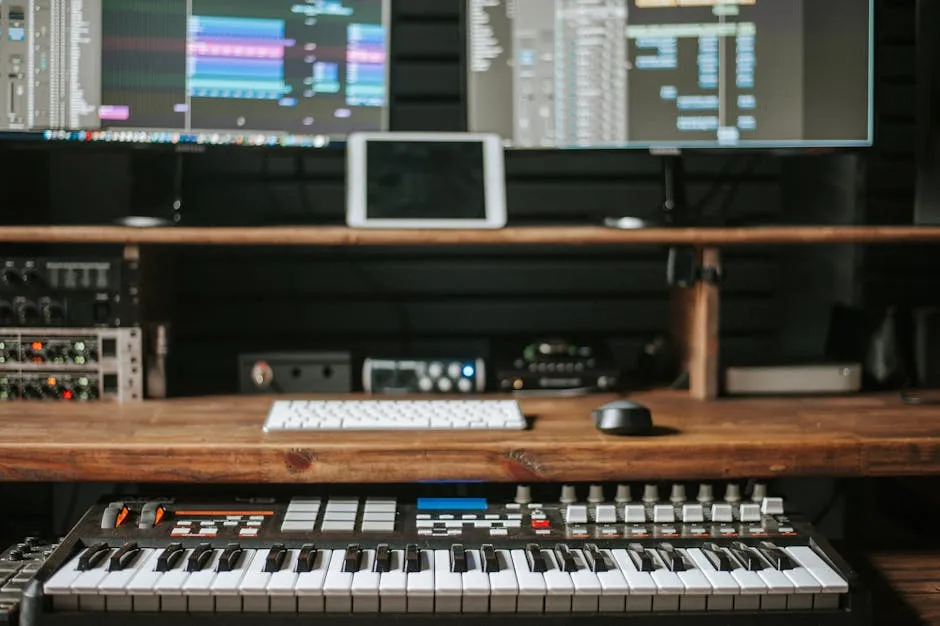
AI Steps into the Studio: ProducerAI Joins Google Labs
The landscape of music creation is undergoing a profound transformation, and the latest development comes from one of tech’s biggest players. Google has officially welcomed a new music generator, ProducerAI, into its experimental Google Labs program. This move signals a significant commitment to exploring the creative potential of artificial intelligence in the audio domain, pushing the boundaries of how music is composed and produced.
From Labs to the Charts: AI’s Creative Potential
The integration of tools like ProducerAI into Google’s ecosystem isn’t just a technical experiment; it’s being validated by artists at the highest level. In a notable example, legendary musician Wyclef Jean utilized Google’s suite of AI music tools to craft elements of his new track, “Back in Abu Dhabi.” This collaboration between human artistry and machine intelligence highlights a compelling future where AI acts as a creative collaborator, offering new sounds, melodies, and production techniques that can inspire and augment the work of established and emerging artists alike.
This isn’t about replacing musicians but expanding the toolkit available to them. Imagine generating a complex drum pattern in seconds, experimenting with an infinite variety of synth textures, or receiving harmonic suggestions that break an artist out of a creative rut. ProducerAI and similar tools are poised to democratize aspects of music production that were once gatekept by expensive equipment and years of technical training.
What This Means for the Future of Music
The arrival of ProducerAI in Google Labs points to several key trends:
- Accessibility: Advanced music production capabilities could become more accessible to hobbyists and aspiring creators, lowering the barrier to entry.
- Speed & Iteration: The ability to rapidly generate and iterate on musical ideas can accelerate the creative process, allowing artists to explore more directions in less time.
- New Genres and Sounds: AI’s capacity to blend and morph musical styles in novel ways may lead to the birth of entirely new genres and sonic landscapes.
Of course, this innovation walks hand-in-hand with important conversations about copyright, artist compensation, and the authentic “human” element in art. The industry will need to evolve alongside the technology to address these complex issues.
The Beat Goes On
Google’s move to incubate ProducerAI is a clear indicator that AI-generated and AI-assisted music is moving from a niche curiosity to a mainstream creative force. As these tools mature within Google Labs and potentially graduate to wider release, we can expect a wave of innovation that will reshape not just how music is made, but potentially how we discover and interact with it. The collaboration between Wyclef Jean and Google’s AI is just the first note in what promises to be a fascinating symphony of human and machine creativity.
