


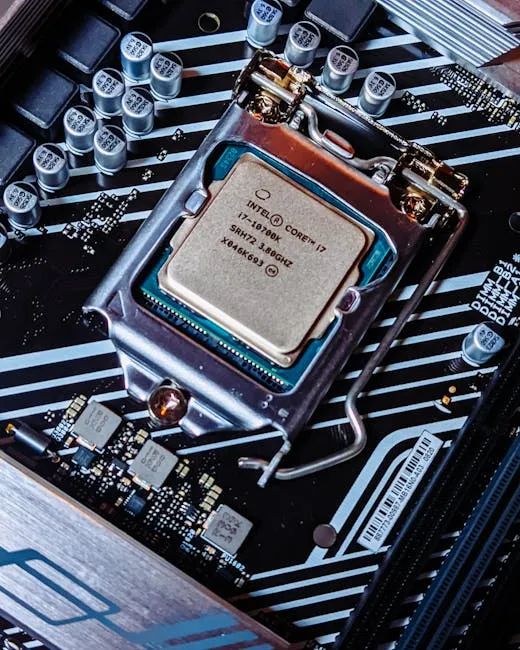
In the rapidly evolving landscape of artificial intelligence, big moves often define the future of the industry. Recently, two tech titans, Google and Intel, have announced a significant step forward in their collaboration. They are deepening their partnership to co-develop custom chips specifically designed to fuel the next generation of AI infrastructure. This move comes at a critical time, as the global demand for CPUs continues to skyrocket alongside a growing shortage of processing power.
The Strategic Shift in Silicon Valley
For years, the tech world has seen a fierce competition between hardware and software giants. Google, primarily known for its software dominance and cloud services, has historically relied on partners like Nvidia for its GPU needs. Intel, meanwhile, has long stood as the leader in x86 CPU architecture. By joining forces, these companies are signaling a new era of collaboration over competition.
This partnership isn’t just about swapping logos; it’s about solving a tangible problem. The current AI boom has created an unprecedented strain on semiconductor supply chains. With the demand for compute power outpacing the ability to manufacture it, developers and enterprises are facing bottlenecks that hold back innovation. By co-developing custom chips, Google and Intel aim to bridge the gap between software needs and hardware capabilities.
Why Now?
The timing of this announcement is telling. We are currently navigating a global shortage of CPUs. Every major tech company is scrambling to secure chip inventory, leading to higher costs and longer wait times for hardware. This partnership offers a potential lifeline. Instead of waiting for third-party suppliers who may be constrained by their own priorities, Google can work directly with Intel to design architectures that prioritize the specific workloads they handle daily.
What This Means for AI Infrastructure
The focus here is heavily on infrastructure. As AI models become larger and more complex, they require massive computational power. Standard off-the-shelf hardware often struggles to meet these demands efficiently. Custom chips allow for optimization at the silicon level.
- Performance Gains: Tailored hardware can process AI tasks faster, reducing latency for applications like cloud computing and data analytics.
- Cost Efficiency: By optimizing for specific workloads, companies can reduce the energy and financial costs associated with running massive AI models.
- Supply Chain Stability: A deeper relationship between two industry leaders could help stabilize the supply chain, ensuring that AI developers have access to the tools they need.
Impact on the Developer Community
For developers and startups building AI applications, this news is both a cause for hope and a subject of scrutiny. The promise of custom chips generally translates to better performance for their stack. However, the ecosystem of AI development relies heavily on open standards. The hope is that this partnership will not lead to a walled garden, but rather to a more robust and reliable infrastructure for everyone.
Developers who rely on Google Cloud Platform or Intel cloud services will likely see new tools and APIs emerge that make it easier to deploy these custom solutions. This democratization of hardware access is crucial for keeping innovation moving forward.
Competition Remains Fierce
While this partnership is a major development, it does not mean the competitive landscape is calming down. Other players, including Nvidia, AMD, and various startups, are still innovating and releasing new hardware. The market for AI hardware is crowded, and every advantage in chip design or manufacturing efficiency counts.
Intel’s recent efforts to reclaim its manufacturing lead alongside Google’s software prowess creates a formidable combination. If they can navigate the complexities of design and production, they might be able to offer a compelling alternative to the current market leaders. This competition is healthy for the industry, driving down prices and improving performance for consumers and businesses alike.
Looking Ahead to 2026 and Beyond
As we move into the future of artificial intelligence, the hardware underneath it all will determine how quickly we can unlock new possibilities. This partnership between Google and Intel represents a pragmatic approach to a complex problem. It acknowledges that in the face of a global shortage, collaboration might be the most effective strategy for growth.
For the general public, this might not seem like immediate news, but for the businesses and developers driving the AI revolution, it is a pivotal moment. The technology that powers our search engines, cloud apps, and data services depends on these underlying chips. If Google and Intel succeed in their co-development goals, we might see faster, more efficient AI tools available sooner than expected.
In the end, this deepening partnership highlights a shifting reality in the tech industry. The line between competitors is blurring as survival and success depend on solving shared infrastructure challenges. As the world demands more computing power, the ability to innovate in silicon will become the defining characteristic of the next decade.
