


When we talk about the energy needs of modern computing, the conversation usually revolves around massive facilities consuming vast amounts of electricity. We think of sprawling campuses in cold climates or high-tech structures floating in space. But a new development suggests that the future might just be sitting right on the ocean floor.
A Bold Move by Aikido
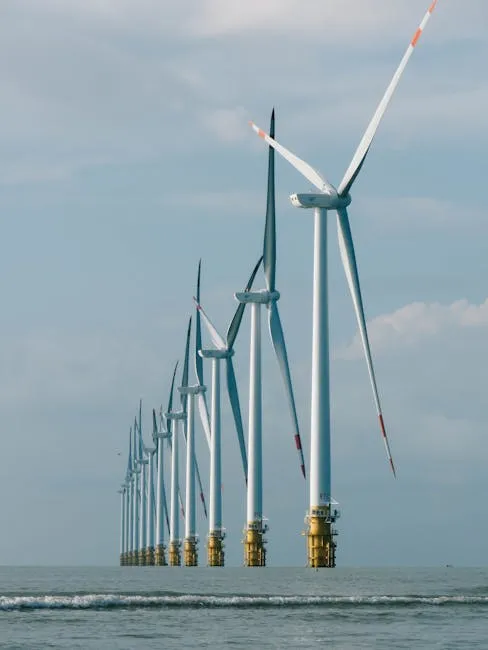
Offshore wind developer Aikido is making headlines with a plan that combines renewable energy generation with data storage and processing. They intend to deploy a small data center directly beneath a floating offshore wind turbine later this year. This sounds like something out of a sci-fi novel, but it represents a practical evolution in infrastructure.
The concept addresses two critical challenges facing the technology industry: energy consumption and cooling efficiency. By housing the servers under the turbines, Aikido creates an integrated system where power is generated right next to where it is consumed. This proximity significantly reduces transmission loss, which is a major issue when sending electricity over long distances from land-based plants.
The Benefits of Underwater Integration
Why put a data center underwater? The ocean provides natural cooling properties that are vital for keeping high-performance servers running smoothly. Additionally, offshore locations often have lower cooling costs compared to onshore counterparts. Here is what makes this setup appealing:
- Natural Cooling: Water immersion or proximity allows for more efficient heat dissipation.
- Energy Independence: Generating power onsite minimizes the reliance on the wider grid.
- Sustainability: Combining wind energy with computing aligns with green technology goals.
Implications for the Tech Industry
As artificial intelligence models grow more complex, their demand for electricity skyrockets. Traditional data centers are running into space and power constraints. This project offers a glimpse into how infrastructure might need to adapt to meet these demands without burning down the planet.
This isn’t just about wind energy; it is about rethinking real estate logistics. We usually think of computing as land-bound, but this setup liberates data processing from crowded urban areas. Instead, we can utilize vast ocean space that is currently underutilized for such purposes.
A Sustainable Future
The collaboration between renewable energy developers and tech giants marks a significant shift. It suggests that the next big leap in computing hardware won’t necessarily come from faster chips, but from smarter placement of our infrastructure.
Whether this model scales up from small prototypes to massive facilities remains to be seen. However, it proves that innovation often comes from looking at existing resources in new ways. For the tech sector, this is a reminder that sustainability and performance can go hand-in-hand.
As we look toward 2026 and beyond, expect more unconventional solutions to power our digital lives. Sometimes the best technology doesn’t come from a lab bench, but from out at sea.
