


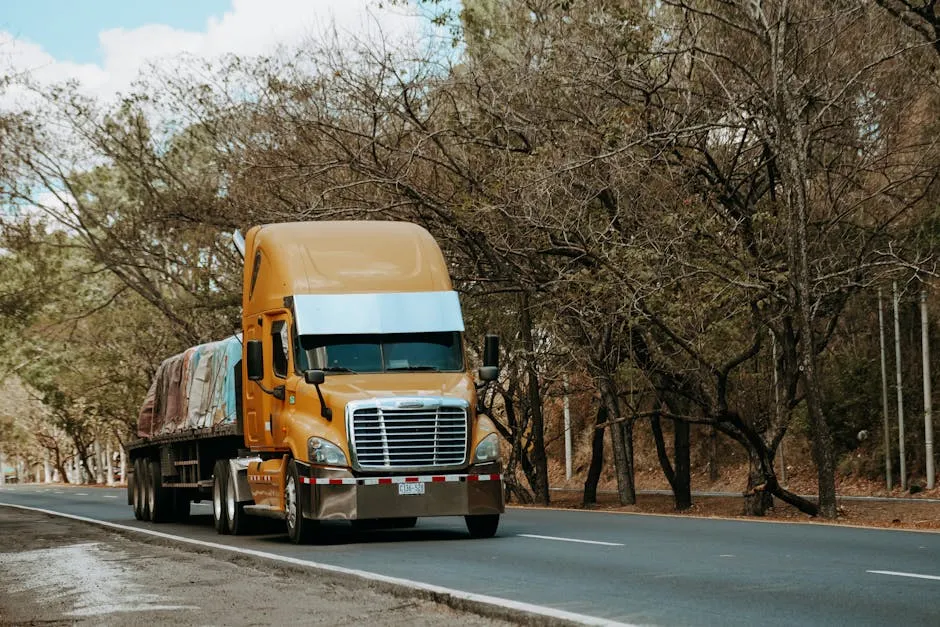
The Long Road to Autonomous Freight
For over a decade, the promise of fully autonomous vehicles has lingered on the horizon. We have heard the phrase “self-driving is almost here” time and again, yet the reality often fell short of the hype. However, the narrative is shifting significantly within the logistics and transportation sectors. On this episode of TechCrunch’s Equity podcast, we dive deep into the story of Aurora, a company led by co-founder and CEO Chris Urmson. For Urmson and his team, the journey has been a mix of high-stakes government challenges and early real-world testing, but the most significant milestone has just been crossed.
From DARPA Challenges to Commercial Reality
The history of self-driving technology is steeped in government-funded research. DARPA challenges were instrumental in pushing the boundaries of computer vision and sensor fusion. During these early phases, we saw a handful of driverless trucks hauling freight between major hubs like Dallas and Houston. These tests proved that the technology could function in complex, real-world environments, but they were limited in scope.
However, the story changed when Aurora decided to transition from experimental runs to commercial operations. Last April, the company officially launched commercial driverless operations. This was not merely a test run; it was a commitment to integrate autonomous trucks into the daily flow of freight transport. The decision to go public with this technology marks a pivotal moment for the entire industry.
Scaling Operations: From a Few to Hundreds
One of the most exciting developments in this sector is the rapid scaling of these autonomous fleets. When Aurora started commercial operations, they began with a small number of trucks. The goal was to ensure safety and reliability without disrupting the supply chain. Today, the trajectory is clear: the company is scaling from a handful of trucks to hundreds this year. This exponential growth indicates that the infrastructure is in place to support widespread adoption.
Scaling requires more than just better software; it demands robust engineering, rigorous safety protocols, and seamless integration with existing human drivers and logistics networks. Aurora is tackling the complexities of heavy freight, which presents different challenges than consumer passenger vehicles. The trucks must navigate construction zones, merge onto highways, and handle varying cargo loads without human intervention.
Why Now is the Right Time
So, why are self-driving trucks finally ready? Chris Urmson highlights several factors. First, the technology has matured significantly. Early iterations faced issues with sensor limitations and software latency that have been resolved through iterative development. Second, the regulatory and legal frameworks are starting to align with the capabilities of these vehicles. Insurance and liability models are also becoming more defined, making it safer for companies to deploy autonomous fleets.
Furthermore, the economic case is becoming undeniable. Human labor costs are rising, and driver shortages continue to plague the freight industry. Autonomous trucks offer a solution to these persistent problems. By automating the long-haul portions of a trip, companies can reduce operational costs and increase the availability of goods. This is not just about technology for technology’s sake; it is about solving a critical logistical bottleneck.
The Future of Autonomous Logistics
As Aurora scales its fleet, we can expect to see other industry players following suit. The success of one autonomous truck company often paves the way for others. If one entity can prove that hundreds of trucks can operate safely and efficiently, it becomes a standard practice rather than a niche experiment. This could lead to a transformation in how goods are moved across the country.
The implications extend beyond just transportation. Improved logistics mean faster delivery times, lower shipping costs, and a more resilient supply chain. As we move forward, the focus will shift from proving the technology works to maximizing its impact. The integration of AI in decision-making for these vehicles will also evolve, allowing for more complex routes and interactions with other road users.
Conclusion
The era of self-driving trucks is no longer a distant dream; it is an operational reality. Chris Urmson’s insights shed light on the rigorous path that led to this moment. With commercial operations launched and scaling underway, the logistics industry stands on the brink of a significant transformation. As we watch the numbers grow from a handful to hundreds, the promise of an autonomous future is finally becoming a tangible part of our daily lives. The road ahead is clear, and the trucks are finally ready to roll.
