


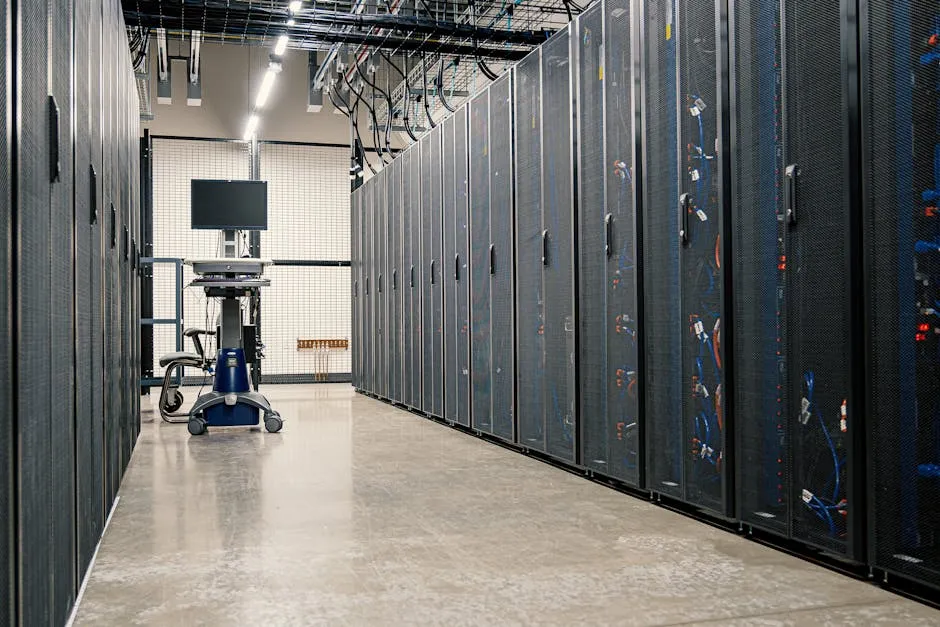
The Engine Room of the AI Revolution
While flashy new AI models and chatbots grab headlines, a massive, less-visible transformation is happening behind the scenes. The explosive growth of artificial intelligence is being powered by an unprecedented wave of investment in physical infrastructure—the data centers, supercomputers, and specialized hardware that form the backbone of modern AI. We’re talking about deals worth tens of billions of dollars, as the world’s largest tech companies scramble to build the engine room for the next decade of computing.
Why AI Demands a New Kind of Infrastructure
Traditional cloud computing and data storage are no longer sufficient. Training and running today’s large language models (LLMs) and generative AI systems require staggering amounts of computational power, specialized chips (like GPUs from Nvidia), and immense energy resources. This isn’t just about adding more servers; it’s about constructing entirely new classes of supercomputing clusters designed from the ground up for AI workloads. The scale is so vast that it’s reshaping global electricity grids, real estate markets, and supply chains for critical components.
The Major Players and Their Mega-Deals
Every tech titan is placing enormous bets on this future:
- Meta: The social media giant has publicly outlined plans to amass a stockpile of over 600,000 GPUs by the end of 2026, a move that represents one of the single largest infrastructure investments in corporate history. Their focus is on building capacity for AI research and integrating AI across their family of apps.
- Microsoft & OpenAI: This partnership is a cornerstone of the AI infrastructure boom. Microsoft’s multi-billion dollar investment in OpenAI is matched by its commitment to build the supercomputing systems needed to train frontier models like GPT-5 and beyond. Their “Stargate” project, rumored to cost over $100 billion, epitomizes the scale of ambition.
- Google: Leveraging its deep expertise in data centers and custom silicon (like its TPU chips), Google is racing to expand its capacity to support its Gemini AI family and cloud customers. Major investments are flowing into new data center regions worldwide.
- Oracle: Traditionally strong in database software, Oracle is making a huge push into AI cloud infrastructure, securing large contracts and partnering with GPU suppliers to position itself as a major alternative to AWS, Azure, and Google Cloud for AI workloads.
- Amazon Web Services (AWS): Not to be outdone, AWS continues to be a dominant force, investing heavily in its own AI chips (Trainium, Inferentia) and expanding its global data center footprint to meet soaring demand from startups and enterprises alike.
The Ripple Effects and What’s Next
This infrastructure arms race has significant implications. It creates a high barrier to entry, cementing the power of a few hyperscalers. It’s driving innovation in chip design (with AMD, Intel, and startups challenging Nvidia), cooling technologies (to manage immense heat output), and renewable energy sourcing (to power and cool these energy-hungry facilities).
Ultimately, the companies that control the most advanced and scalable AI infrastructure will control the pace of innovation. The deals being signed today are not just about buying chips; they are about securing the foundational resources to power the intelligent applications of tomorrow. The AI software boom is real, but it is entirely dependent on the multi-billion dollar hardware boom happening beneath it.
