

Close Menu

    Subscribe to Updates

    Get the latest creative news from FooBar about art, design and business.

    What's Hot

    AI Race Moves Beneath the Models: Chips, Infrastructure, Security, and Trust in 2026

    August 23, 2026

    AI in Supply Chain Optimization: Building Smarter, More Resilient Operations

    August 23, 2026

    AI Wonderland Weekly 24 July 2026: Why the Next AI Battle Is About Chips, Infrastructure, and Trust

    August 22, 2026
    Facebook X (Twitter) Instagram
    • AI tools
    • Editor’s Picks
    Facebook X (Twitter) Instagram Pinterest Vimeo
    AI PowerssAI Powerss
    • Home
    • AI

      Scaling AI Agents Starts With Trustworthy Data

      August 14, 2026

      Beyond the Glitz: Why the Most Important AI Is the “Unsexy” Kind

      August 13, 2026

      Why AI Agents Sometimes Lie and Cheat to Achieve Their Goals

      August 13, 2026

      Beyond the Transformer: How Startups Are Redefining the Future of Large Language Models

      August 13, 2026

      How AI Prompt Engineering Exposed a Critical Zoom Screen-Sharing Vulnerability

      August 12, 2026
    • Tech
    • Marketing
      • Email Marketing
      • SEO
    • Featured Reviews
    • Contact
    Subscribe
    AI PowerssAI Powerss
    Home»AI»OpenAI’s Pentagon Partnership: A New Era of Defense AI with Built-in Safeguards
    AI

    OpenAI’s Pentagon Partnership: A New Era of Defense AI with Built-in Safeguards

    FelipeBy FelipeMarch 1, 2026No Comments3 Mins Read
    Share Facebook Twitter Pinterest LinkedIn Tumblr Reddit Telegram Email
    Share
    Facebook Twitter LinkedIn Pinterest Email

    OpenAI Steps into the Defense Arena

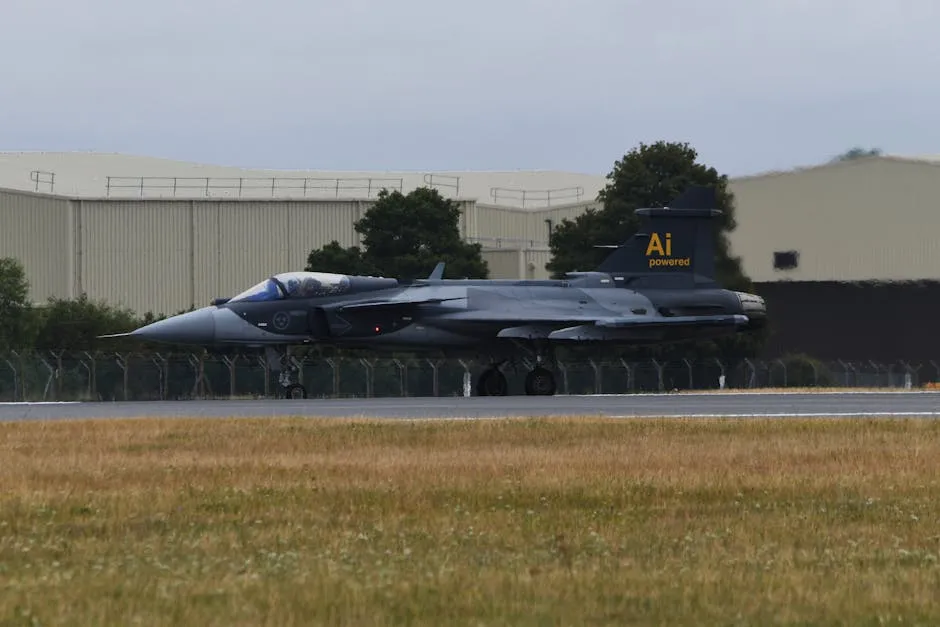
    In a significant move that signals the deepening integration of artificial intelligence into national security, OpenAI CEO Sam Altman has announced a new partnership with the U.S. Department of Defense. The deal, however, comes with a notable caveat: the implementation of what Altman describes as “technical safeguards.” This announcement directly addresses the complex ethical and safety concerns that have become a major point of discussion, particularly following similar controversies faced by other AI labs like Anthropic.

    The partnership marks a pivotal moment for OpenAI, a company whose founding principles included a strong commitment to developing AI “for the benefit of humanity.” Engaging with defense and military applications has historically been a contentious issue within the AI community, raising questions about the development of autonomous weapons and the broader militarization of advanced technology.

    Navigating the Ethical Minefield

    Altman’s emphasis on safeguards appears to be a preemptive response to these very concerns. While specific details of the protective measures were not fully disclosed, the framing suggests they are designed to prevent the misuse of OpenAI’s models in ways that could lead to loss of human life or escalation of conflict. This could include strict limitations on the types of tasks the AI can perform, robust auditing and monitoring systems, and “human-in-the-loop” protocols that ensure ultimate decision-making authority remains with people.

    The reference to Anthropic is telling. Anthropic, a major OpenAI competitor founded by former OpenAI researchers, has also grappled with the ethics of defense contracts. Their public struggles have highlighted the industry’s internal tension between commercial opportunity, technological advancement, and core safety principles. By proactively announcing safeguards, Altman is attempting to differentiate OpenAI’s approach and mitigate potential backlash from employees, users, and the public who are wary of unchecked AI in military hands.

    What This Means for the Future of AI

    This contract is more than just a business deal; it’s a bellwether for the industry. It demonstrates that leading AI companies are now considered essential partners for government modernization and national security. The Pentagon’s interest is clear: AI can offer immense advantages in data analysis, logistics planning, cybersecurity, and simulation training.

    However, this new frontier comes with immense responsibility. The effectiveness and integrity of the promised “technical safeguards” will be closely scrutinized. Can software constraints truly prevent misuse in high-stakes environments? Who oversees and verifies these safeguards? These are the critical questions that will define this partnership and set a precedent for future government-AI collaborations.

    The move also pressures other AI firms to clarify their own policies. As the line between commercial and governmental use of AI blurs, companies will need transparent stances on what they will and will not build, and for whom. OpenAI’s foray into defense, with its stated guardrails, is now a central case study in the ongoing debate about building powerful technology responsibly while operating in the real world.

    AI ethics defense technology government contracts OpenAI Sam Altman
    Share. Facebook Twitter Pinterest LinkedIn Tumblr Email
    Previous ArticleThe Pentagon’s AI Dilemma: Why Anthropic Could Be Labeled a Supply Chain Risk
    Next Article The Multi-Billion Dollar Race to Build AI’s Physical Foundation
    Felipe

    Related Posts

    AI

    AI Race Moves Beneath the Models: Chips, Infrastructure, Security, and Trust in 2026

    August 23, 2026
    AI

    AI in Supply Chain Optimization: Building Smarter, More Resilient Operations

    August 23, 2026
    AI

    AI Wonderland Weekly 24 July 2026: Why the Next AI Battle Is About Chips, Infrastructure, and Trust

    August 22, 2026
    Add A Comment

    Comments are closed.

    Top Posts

    WordPress Hosting Speed Battle 2025: We Tested 5 Hosts with 100k Monthly Visitors

    January 21, 20251,201 Views

    In-Depth Comparison: Claude vs. ChatGPT – Which AI Is Right for 2025?

    February 6, 2025298 Views

    10 Proven EmailSubject Line Strategies to Boost Open Rates by 50%

    January 21, 2025223 Views
    Stay In Touch
    • Facebook
    • YouTube
    • TikTok
    • WhatsApp
    • Twitter
    • Instagram
    Latest Reviews
    Blog

    Claude vs. ChatGPT: Which AI Assistant is Better?

    FelipeOctober 1, 2024
    Editor's Picks

    Top 10 Cybersecurity Practices for Online Privacy Protection

    FelipeSeptember 11, 2024
    Blog

    Top Tech Gadgets That Are Actually Worth Your Money in 2025

    FelipeSeptember 7, 2024

    Subscribe to Updates

    Get the latest tech news from FooBar about tech, design and biz.

    Most Popular

    WordPress Hosting Speed Battle 2025: We Tested 5 Hosts with 100k Monthly Visitors

    January 21, 20251,201 Views

    In-Depth Comparison: Claude vs. ChatGPT – Which AI Is Right for 2025?

    February 6, 2025298 Views

    10 Proven EmailSubject Line Strategies to Boost Open Rates by 50%

    January 21, 2025223 Views
    Our Picks

    AI Race Moves Beneath the Models: Chips, Infrastructure, Security, and Trust in 2026

    August 23, 2026

    AI in Supply Chain Optimization: Building Smarter, More Resilient Operations

    August 23, 2026

    AI Wonderland Weekly 24 July 2026: Why the Next AI Battle Is About Chips, Infrastructure, and Trust

    August 22, 2026

    Subscribe to Updates

    Get the latest creative news from FooBar about art, design and business.

    Facebook X (Twitter) Instagram Pinterest
    • Home
    • Tech
    • AI Tools
    • SEO
    • About AI Powerss
    • Privacy Policy
    • Terms and Conditions
    • Disclaimer
    • Get in Touch
    © 2026 Aipowerss. All Rights Reserved.

    Type above and press Enter to search. Press Esc to cancel.