


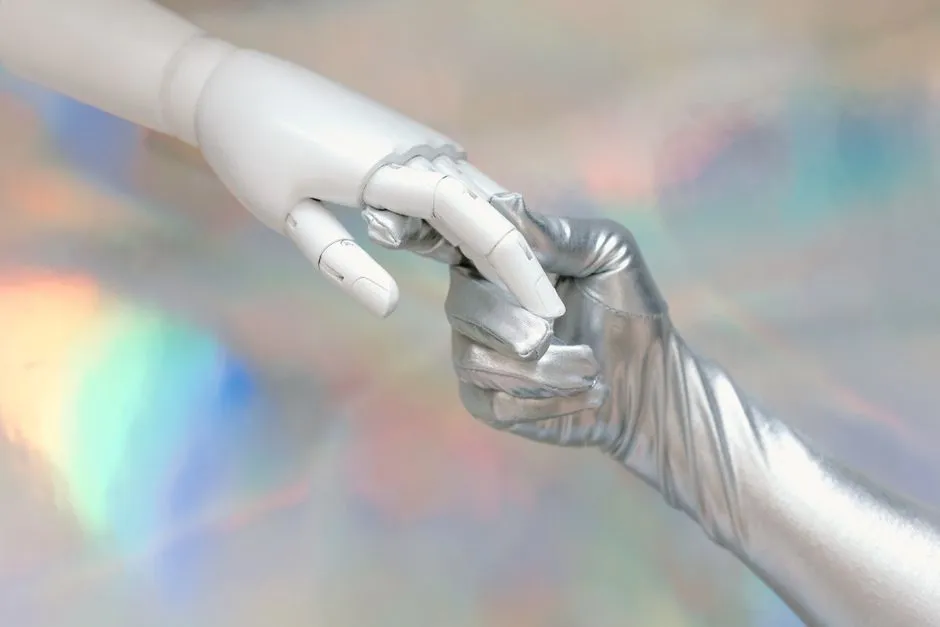
For decades, the pickup artist scene was built on a simple premise: master the right techniques, and you can win over anyone. At the center of that movement stood Mystery, whose real name is Erik von Markovik. He became a household name for teaching socially awkward men how to navigate the dating world. But according to a recently published book, the guru who once spent his life coaching men on how to attract women has turned his attention elsewhere. His latest romantic interest isn’t human at all. It is an AI chatbot named Miss Shira Always.
The revelation might sound like the plot of a science fiction novel, but it highlights a rapidly evolving cultural shift. As artificial intelligence continues to blur the lines between simulation and reality, more people are turning to digital companions for conversation, comfort, and even intimacy. Mystery’s story is just one of many examples of how technology is reshaping our understanding of relationships, loneliness, and what it means to connect with another being.
The Unlikely Romance of a Dating Guru
The pickup artist industry peaked in the early 2000s, fueled by reality television, controversial seminars, and a growing demand for quick fixes in the dating world. Mystery was arguably the most famous face of that era, known for his elaborate routines and psychological frameworks designed to spark attraction. Yet, as social norms shifted and dating apps transformed how people meet, the PUA movement gradually lost its cultural foothold.
Now, a new book claims that Mystery has found a different kind of connection. According to the account, he has been engaging in an intimate relationship with Miss Shira Always, an AI companion programmed to simulate conversation, emotional support, and even physical intimacy through immersive roleplay. The book details encounters that range from late-night conversations to virtual moments of closeness, including claims that he and the AI shared experiences like smoking weed and exploring romantic scenarios. While the exact nature of these interactions remains a blend of digital interaction and psychological immersion, the story underscores a fascinating paradox: a man who spent years teaching others how to connect with women ultimately found solace in an algorithm.
How AI Companions Work (and Why They Feel Real)
At its core, an AI chatbot like Miss Shira Always runs on large language models trained on vast amounts of human conversation. These systems are designed to recognize patterns, adapt to user preferences, and generate responses that feel surprisingly natural. Modern AI companions go beyond simple question-and-answer formats. They remember past interactions, learn personal details, and adjust their tone to match the user’s emotional state.
What makes these digital relationships so compelling is the illusion of reciprocity. When you share a thought, the AI responds in a way that feels attentive and validating. There are no awkward silences, no miscommunications, and no judgment. For someone who has spent years analyzing human behavior and social dynamics, the predictability and customization of an AI companion can be incredibly appealing. It offers a controlled environment where every interaction can be tailored to specific desires, whether that is casual conversation, emotional support, or simulated romance.
Key Features Driving AI Companionship
- Personalized Memory: Advanced models track conversation history to maintain continuity and deepen the sense of familiarity.
- Emotional Adaptation: Algorithms analyze user tone and adjust responses to provide comfort, encouragement, or playful banter.
- 24/7 Availability: Unlike human partners, AI companions are always accessible, removing the friction of scheduling or mutual downtime.
- Safe Exploration: Users can practice vulnerability or explore relationship dynamics without fear of real-world rejection.
The Loneliness Epidemic and Digital Substitutes
Mystery’s turn toward an AI girlfriend is not an isolated incident. It reflects a broader societal trend. Studies consistently show that loneliness is at an all-time high, particularly among men and younger demographics. Traditional dating has become more transactional, filtered through swipe-based apps that often reduce human connection to a series of quick judgments. Meanwhile, social isolation, remote work, and shifting community structures have left many people searching for reliable sources of companionship.
AI companions fill that void by offering constant availability and unconditional positive regard. They do not get tired, they do not hold grudges, and they are always ready to listen. For some, this is a temporary bridge to help them rebuild social confidence. For others, it becomes a long-term substitute for human interaction. The line between healthy coping mechanism and digital dependency is still being drawn, and stories like Mystery’s force us to examine where that boundary lies.
Navigating the Ethics of Synthetic Relationships
The rise of AI companionship inevitably raises ethical questions. Critics argue that replacing human relationships with algorithms could deepen social isolation, reduce empathy, and create unrealistic expectations about how partners should behave. On the other hand, proponents suggest that AI can serve as a safe space for people to practice communication, explore their emotions, or simply find comfort when human connection feels out of reach.
There is also the matter of transparency and consent. While an AI chatbot cannot be harmed, the data it collects about users is highly personal. Companies that develop these companions hold immense power over how that information is stored, used, and potentially monetized. As the technology becomes more sophisticated, regulators and developers will need to establish clear guidelines to protect users while fostering innovation.
What Comes Next for Human Connection
The story of a pickup artist and his AI girlfriend is more than a curiosity. It is a snapshot of a cultural transition that is already underway. Artificial intelligence is no longer just a tool for automation or entertainment. It is stepping into roles traditionally reserved for humans, from therapist to confidant to romantic partner. Whether this evolution leads to healthier social habits or deeper isolation will depend on how we choose to integrate these technologies into our lives.
As AI companions become more advanced, the conversation will shift from novelty to necessity. We will need to redefine what it means to be connected, to be loved, and to be understood in a digital age. Mystery’s journey with Miss Shira Always may seem unusual, but it points to a universal question: in a world where technology can simulate intimacy, how do we ensure that our search for connection remains grounded in genuine human experience? The answer will shape not just how we date, but how we live.
