


The Intersection of AI Innovation and National Security
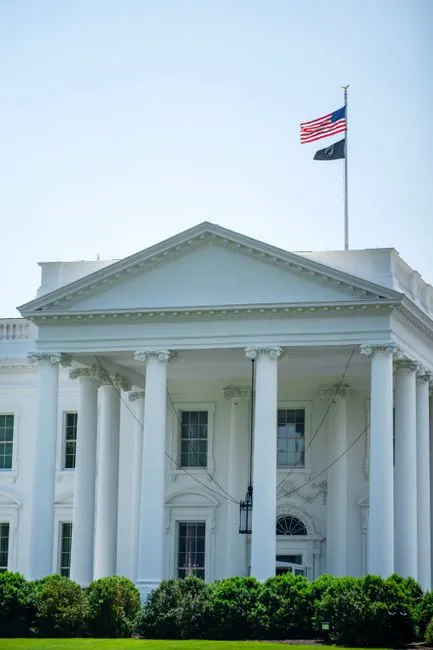
In the fast-moving world of artificial intelligence, business deals rarely stay purely commercial for long. Just days before Anthropic prepared to take its most advanced AI models offline for maintenance and upgrades, the company received a direct order from the White House: revoke SK Telecom’s access to Claude Mythos. The directive was swift, the reasoning clear, and the implications far-reaching. At the heart of the matter were allegations of ties to China, triggering a rapid enforcement of U.S. export control regulations that have reshaped how global tech partnerships are evaluated.
This moment highlights a growing reality in the tech industry. AI is no longer just a product or a service; it is a strategic asset. As governments worldwide recognize the economic and security value of advanced machine learning models, the lines between commercial innovation and national security are blurring faster than ever.
Understanding the Claude Mythos Partnership
To grasp why this situation sparked such immediate government action, it helps to look at what was actually on the table. Claude Mythos represents one of Anthropic’s most sophisticated language models, engineered for complex reasoning, enterprise-grade reliability, and advanced conversational capabilities. For a telecommunications giant like SK Telecom, gaining early or exclusive access to such a model isn’t just about upgrading customer service chatbots. It’s about integrating cutting-edge AI into network optimization, data analytics, and next-generation communication infrastructure.
South Korean telecom companies have long been at the forefront of adopting new technologies, from 5G rollout to cloud computing integrations. Partnering with a leading U.S. AI developer aligns perfectly with that trajectory. However, when a model of this caliber crosses borders, it automatically triggers a different set of regulatory questions. The U.S. government has been increasingly cautious about how frontier AI technology is shared internationally, particularly when geopolitical tensions are high.
Why the White House Stepped In
The intervention wasn’t arbitrary. It was rooted in a broader framework of export controls designed to protect sensitive dual-use technologies—tools that can be used for both commercial and military purposes. Over the past few years, U.S. policymakers have tightened restrictions on AI model exports, especially to countries or entities where there are concerns about technology diversion or unauthorized data sharing.
In this case, the White House cited alleged ties to China as the primary catalyst. While SK Telecom is a South Korean corporation with deep roots in the global telecom sector, the U.S. government’s review process flagged potential downstream risks. Even if a company operates transparently, the architecture of modern AI partnerships often involves data pipelines, third-party integrations, and cross-border computing resources. Regulators are now looking beyond the immediate signatory and examining the entire ecosystem surrounding an AI deployment.
This proactive stance reflects a shift in how Washington approaches tech diplomacy. Rather than waiting for a security breach or an unauthorized transfer, agencies are now conducting preemptive assessments. The goal is to prevent sensitive AI capabilities from falling into hands that could leverage them in ways that conflict with U.S. strategic interests.
The Broader Implications for the AI Industry
For AI developers and enterprise partners alike, this situation serves as a wake-up call. Compliance is no longer a checkbox exercise; it’s an ongoing operational requirement. Companies will need to build more rigorous due diligence processes, map out data flow architectures with greater transparency, and prepare for sudden regulatory shifts that can halt partnerships overnight.
At the same time, the incident underscores the delicate balance between innovation and oversight. AI thrives on collaboration, cross-border research, and rapid iteration. Overly restrictive policies could stifle global progress, while too little oversight risks exposing critical technologies to exploitation. Finding that middle ground will require ongoing dialogue between tech leaders, policymakers, and international partners.
Looking Ahead: Navigating the New Normal
The SK Telecom and Anthropic situation is unlikely to be an isolated incident. As AI models grow more powerful and their applications expand into defense, finance, healthcare, and infrastructure, we can expect more government interventions in commercial tech deals. Companies that adapt quickly—by investing in compliance infrastructure, maintaining transparent audit trails, and engaging proactively with regulatory bodies—will be better positioned to navigate this evolving landscape.
Ultimately, the story of Claude Mythos and SK Telecom is more than a headline about a paused partnership. It’s a snapshot of a new era in technology governance, where innovation must coexist with accountability. As the AI industry matures, the companies that succeed won’t just be the ones with the smartest models; they’ll be the ones that understand how to operate responsibly in a world where every line of code carries geopolitical weight.
