


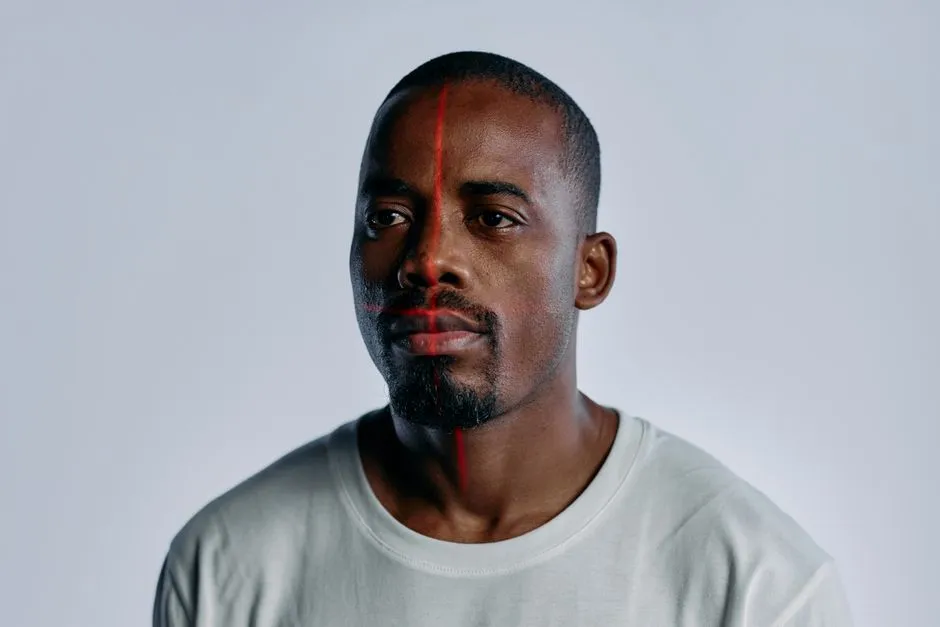
The United Kingdom is pushing forward with a controversial plan to use facial recognition technology to estimate the age of asylum-seekers, even after internal government tests revealed the system is prone to significant errors. This decision raises serious questions about fairness, accuracy, and the potential for life-altering mistakes in an already fraught immigration system.
The Technology at the Heart of the Controversy
The Home Office, the UK government department responsible for immigration and security, has been exploring the use of AI-powered age estimation software. The idea is straightforward: use a camera to scan a person’s face and determine their age. In theory, this would help officials quickly and efficiently verify the age of asylum-seekers, particularly those who claim to be children, as age is a critical factor in determining the rights and protections they receive under UK law.
However, the reality is far more complex. The technology, often based on machine learning models trained on thousands of facial images, does not “see” age in the way a human might. Instead, it analyzes patterns in facial features, skin texture, and other visual cues to produce an estimate. And as internal documents have shown, these estimates can be wildly off the mark.
Internal Tests Reveal a Flawed System
According to a report by Wired, the Home Office conducted its own tests on the age-verification technology before deciding to deploy it. The results were not reassuring. The tests demonstrated that the software could misjudge a person’s age by several years, in some cases incorrectly classifying adults as minors and vice versa.
This is not a minor technical glitch. For an asylum-seeker, being misidentified as an adult when they are a child could mean being placed in adult detention facilities, losing access to specialized child welfare services, and facing a fundamentally different legal process. Conversely, an adult wrongly identified as a child could be placed in a vulnerable position, potentially alongside minors, and may face delays or complications in their case.
Despite these documented risks, the Home Office has decided to move forward with the plan. This decision has been met with sharp criticism from human rights groups, legal experts, and technology ethicists, who argue that deploying a known-flawed system in such a high-stakes environment is a recipe for injustice.
The Human Cost of Algorithmic Error
The core problem is that age estimation technology is not, and may never be, perfectly accurate. The human face changes gradually and differently for every individual due to genetics, health, environment, and life experiences. An AI model trained on a specific dataset may perform poorly on faces from different ethnic backgrounds, ages, or with different lighting conditions.
This is particularly relevant in the context of asylum-seekers, who come from a wide variety of countries and backgrounds. A system that works reasonably well on a homogeneous population could fail dramatically when applied to a more diverse group. The Home Office’s own tests likely highlighted these very issues, yet the department is pressing ahead.
The potential for harm is immense. A single error could lead to a child being treated as an adult, depriving them of the legal protections and support they are entitled to. It could also damage the trust between asylum-seekers and the authorities, making an already difficult process even more traumatic.
Why the UK is Pushing Forward Despite the Risks
The government’s rationale for using this technology is likely tied to efficiency and cost-saving. The UK asylum system is under immense pressure, with a large backlog of cases. The Home Office may see AI-powered age checks as a quick and cheap way to process claims and deter what they believe to be fraudulent applications from adults claiming to be children.
However, this approach prioritizes speed over accuracy and fairness. It assumes that the technology is a reliable tool, when the evidence suggests it is not. The decision also reflects a broader trend of governments turning to AI to solve complex social and administrative problems, often without fully understanding the limitations and risks.
Legal and Ethical Implications
The use of flawed age estimation technology raises serious legal questions. If a person is wrongly classified, they could have grounds to challenge the decision in court. This could lead to a wave of legal challenges, further clogging the system the technology was meant to streamline.
Ethically, the plan is deeply problematic. It subjects a vulnerable population to a potentially unreliable form of surveillance, with no clear mechanism for appeal or remedy in the event of an error. It also sets a troubling precedent for the use of AI in government decision-making, suggesting that efficiency can trump fundamental rights.
A Better Path Forward
Instead of rushing to deploy a flawed technology, the Home Office should invest in more reliable, human-centered age assessment methods. These could include trained social workers, medical assessments, and a holistic review of a person’s history and documentation. While these methods are slower and more expensive, they are far more likely to produce accurate and just outcomes.
Furthermore, any use of AI in such sensitive contexts must be subject to rigorous independent oversight, transparency, and a clear process for challenging errors. The government should also be required to publish the results of its internal tests so that the public and experts can scrutinize the technology’s performance.
Conclusion
The UK’s plan to use facial age checks on asylum-seekers is a cautionary tale about the dangers of deploying AI without adequate safeguards. The technology is not ready for this level of responsibility, and the consequences of its failure could be devastating for the individuals involved. By ignoring its own test results and pushing ahead regardless, the Home Office is gambling with people’s lives. It is a gamble that should not be taken. The priority must be fairness, accuracy, and the protection of vulnerable people, not the pursuit of a quick technological fix.
