


In recent months, a narrative has taken hold in certain corners of Washington and Silicon Valley: that the growing opposition to data center construction in the United States is being quietly fueled by Chinese interference. GOP lawmakers, prominent tech investors, and even OpenAI have pointed fingers, suggesting that Beijing is orchestrating local resistance to stifle American AI advancement. It is a convenient story, one that paints domestic dissent as a foreign conspiracy. But according to experts who have studied the issue closely, the reality is far more complex—and far more American.
The Rise of the Data Center Backlash
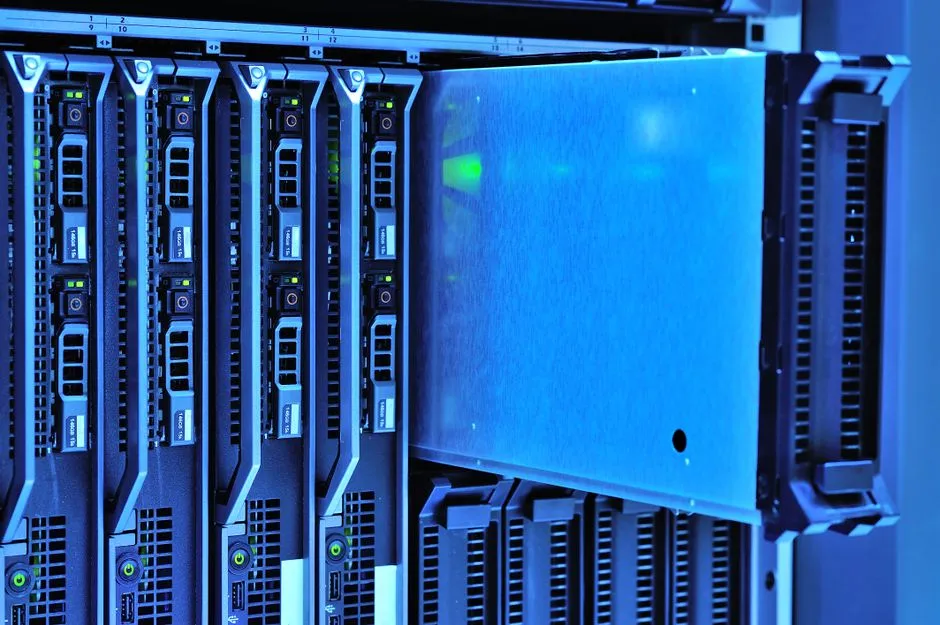
Data centers are the physical backbone of the digital economy. They power everything from streaming video to cloud computing, and they are absolutely essential for the next wave of artificial intelligence. As demand for AI compute has exploded, so too has the need for massive, energy-hungry data centers. Tech giants like Amazon, Google, and Microsoft are racing to build new facilities across the country.
However, this construction boom has run headlong into a wall of local opposition. Communities from Northern Virginia to Arizona to Oregon are pushing back against proposed data centers. Their concerns are not abstract geopolitical theories; they are grounded in tangible, everyday issues. Residents worry about the immense strain these facilities place on local power grids, the noise pollution from constant cooling systems, the consumption of scarce water resources, and the visual blight of sprawling industrial campuses in previously rural or suburban areas.
The “China Did It” Narrative
Faced with this growing resistance, some industry advocates have sought a more sinister explanation. The argument, as reported by outlets like Wired, is that Chinese state-linked actors are funding and organizing local opposition groups. The goal, according to this theory, is to slow down America’s AI infrastructure buildout, giving China a competitive advantage in the global technology race.
This narrative has found a receptive audience in Washington. For lawmakers who are already deeply suspicious of Beijing’s intentions, it provides a clear villain and a simple story. It also conveniently deflects blame from the industry’s own planning failures and the very real environmental and social costs of unchecked data center expansion. OpenAI, for its part, has publicly raised concerns about foreign influence, adding its powerful voice to the chorus.
What the Experts Actually Say
The problem with the “China did it” theory, according to researchers and local officials, is that it vastly oversimplifies a deeply rooted, organic movement. “It’s much more complicated than that,” experts told Wired. While it is possible that foreign actors are opportunistically amplifying existing grievances—a common tactic in information warfare—there is little evidence to suggest they are the primary drivers.
The reality is that local opposition to data centers is a classic case of NIMBYism (Not In My Back Yard), fueled by legitimate concerns. These are not paid protesters; they are homeowners, environmental activists, and local business owners who feel their quality of life is being sacrificed for corporate profits. They organize through local Facebook groups, attend town hall meetings, and contact their elected representatives. This is grassroots democracy in action, not a foreign plot.
Real Concerns, Real People
To understand the opposition, you have to look at the local impact. In many communities, a single data center can consume as much electricity as a small city. This drives up energy costs for everyone else and forces utilities to build new power plants, often fossil-fuel based, to meet the demand. The noise from the massive cooling fans can be heard from miles away, disrupting the peace of residential neighborhoods. In water-stressed regions, the millions of gallons of water used daily for evaporative cooling is a non-starter for conservation-minded residents.
These are not issues that require a foreign agent to explain. They are visible, measurable, and deeply felt by the people who live next door to these projects. Blaming China for this opposition is a way for tech companies to avoid having a difficult conversation about their own environmental footprint and their relationship with the communities they operate in.
The Danger of a Misdiagnosis
Attributing local resistance to Chinese interference is not just inaccurate; it is dangerous. It risks delegitimizing genuine civic engagement and eroding public trust in democratic processes. If every local protest can be dismissed as a foreign influence operation, it becomes much harder for communities to have their legitimate grievances heard and addressed.
Furthermore, it allows the tech industry to avoid making necessary changes. Instead of working with communities to build more sustainable, less intrusive data centers—using newer cooling technologies, locating facilities on brownfield sites, or investing in local renewable energy—companies can simply demand that politicians crack down on “foreign interference.” This adversarial approach will only deepen the conflict and slow down the very infrastructure they claim to need.
A More Honest Path Forward
The solution to America’s data center dilemma is not to find a foreign scapegoat, but to engage in honest, transparent dialogue. Tech companies need to acknowledge the real costs of their expansion and work collaboratively with local governments to mitigate them. This means investing in cutting-edge, energy-efficient designs, being upfront about resource consumption, and ensuring that host communities see tangible economic benefits, such as tax revenue and local jobs.
Policymakers, for their part, need to move beyond conspiracy theories and focus on creating a regulatory framework that balances the national imperative for AI infrastructure with the local need for environmental protection and quality of life. This is a difficult task that requires nuance, compromise, and a willingness to listen to all stakeholders.
Conclusion: It’s About Us, Not Them
The story that China is behind America’s anti-data center movement is a compelling one, but it is largely a fiction. The real drivers of this opposition are American citizens exercising their democratic rights to protect their homes and environment. While we should always be vigilant about foreign interference in our politics, we must not let that vigilance blind us to the simple truth that sometimes, a local protest is just a local protest. The future of American AI depends not on finding an external enemy to blame, but on our ability to solve our own domestic challenges through honest conversation and responsible innovation. The fight over data centers is not a proxy war with Beijing; it is a fundamental debate about what kind of future we want to build for ourselves.
