


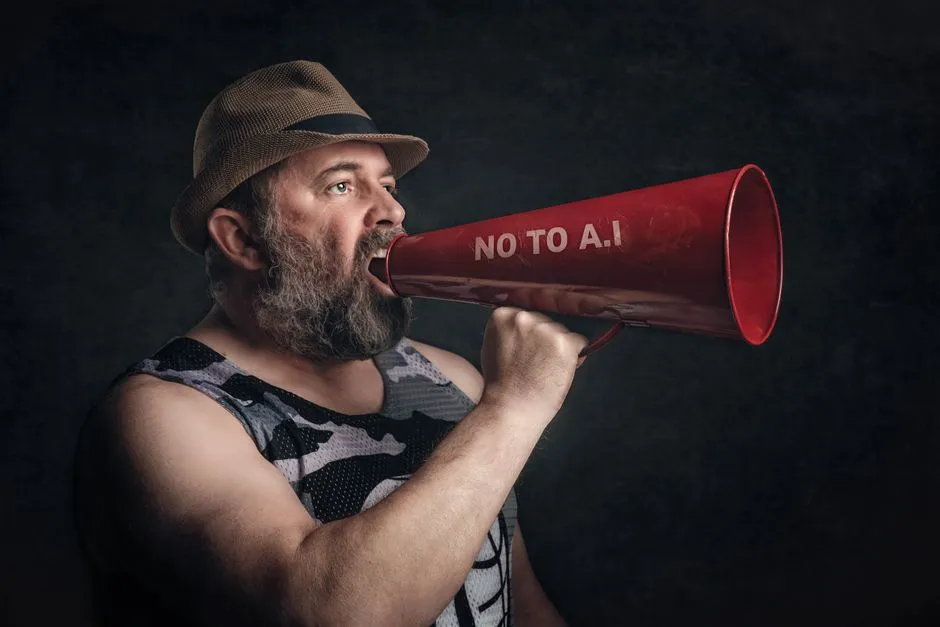
The Growing Pains of the Artificial Intelligence Era
Artificial intelligence is no longer a distant concept confined to research labs or speculative fiction. It is actively reshaping industries, rewriting labor contracts, and exposing the fragile infrastructure that keeps modern technology running. Recently, three major developments have captured the attention of tech observers and industry insiders alike: Amazon and MGM shelving a high-profile OpenAI film project, data center employees organizing for better working conditions, and Meta facing scrutiny over a significant internal data leak. On the surface, these stories seem unrelated. In reality, they are interconnected symptoms of an industry scaling faster than its creative, labor, and security frameworks can comfortably support.
When Hollywood Meets Artificial Intelligence
The entertainment industry has always been a testing ground for new technology, from the introduction of sound to the digital revolution of CGI. Today, AI sits at the center of a similar crossroads. The decision by Amazon-owned MGM Studios to drop a film project originally slated to be developed with OpenAI highlights the friction that occurs when traditional creative pipelines collide with emerging technology.
Why the Collaboration Fell Apart
Partnerships between legacy studios and AI pioneers are rarely straightforward. Film production involves complex negotiations over intellectual property, union agreements, and creative control. AI tools that can generate storyboards, synthesize voices, or edit footage raise immediate questions about authorship and compensation. When a major studio decides to walk away from an AI-backed project, it usually signals more than a simple creative difference. It often points to unresolved legal frameworks, financial uncertainty, and the reality that AI filmmaking is still in its experimental phase. Studios are wary of greenlighting unproven workflows that could trigger copyright disputes or alienate the talent base that has historically driven Hollywood’s success.
The Human Engine Behind the AI Revolution
Behind every seamless AI interaction, there is a massive physical infrastructure keeping the lights on. Artificial intelligence requires staggering amounts of computing power, which in turn demands sprawling data centers equipped with advanced cooling systems, high-voltage electrical grids, and round-the-clock maintenance teams. As AI demand surges, the human workers maintaining these facilities are finding themselves stretched thin.
Data Center Workers Step Up
Recently, employees working in AI data centers have begun organizing and pushing back against grueling schedules, safety concerns, and inadequate compensation. These workers are the unsung backbone of the artificial intelligence boom. They monitor server racks, troubleshoot hardware failures, and ensure that cooling systems prevent catastrophic overheating. Yet, as tech companies race to expand capacity, the human cost of that expansion is becoming impossible to ignore. Labor organizers are calling for better shift structures, improved safety protocols, and fair wages that reflect the critical nature of their roles. This movement is a clear reminder that AI is not purely digital. It is built, maintained, and sustained by people.
The Real Cost of Compute
The pushback from data center employees forces the tech industry to confront a uncomfortable truth: scaling artificial intelligence requires more than just buying more GPUs. It requires sustainable labor practices, transparent working conditions, and a willingness to invest in the people who keep the infrastructure running. Without addressing these foundational issues, the rapid expansion of AI could face operational bottlenecks and growing public resistance.
When Tech Giants Drop the Ball on Privacy
While Hollywood debates creative control and workers demand better conditions, another piece of the puzzle has emerged from the corporate side: a significant employee data leak at Meta. The incident underscores a persistent paradox in the technology sector. Companies that build their business models around data collection and algorithmic targeting often struggle to secure their own internal information.
What This Means for Corporate Accountability
Employee data leaks are rarely just technical glitches. They typically reveal deeper issues in corporate governance, access controls, and security culture. When sensitive personnel information, financial records, or internal communications are exposed, it damages trust and invites regulatory scrutiny. For a company of Meta’s scale, such a mishap serves as a stark reminder that data privacy is not just a consumer-facing marketing promise. It is a fundamental operational responsibility. As governments worldwide tighten data protection regulations, tech companies will need to treat internal security with the same urgency they apply to external product development.
Where Do We Go From Here?
These three stories paint a clear picture of where the artificial intelligence industry stands today. We are past the hype phase and into the implementation phase, where theoretical advantages meet real-world constraints. Hollywood is learning that AI cannot simply be bolted onto traditional production models without addressing legal and creative realities. Data center workers are proving that the physical infrastructure of AI requires fair labor practices to function sustainably. And corporate data leaks are showing that security and privacy must be baked into company culture, not treated as afterthoughts.
The path forward requires a more grounded approach. Tech companies, entertainment studios, and infrastructure operators will need to collaborate with legal experts, labor representatives, and privacy advocates to build frameworks that can actually support long-term growth. Artificial intelligence will undoubtedly continue to transform how we work, create, and store information. But its success will ultimately depend on how well we manage the human, ethical, and operational challenges that come with it. The industry is still writing its rules, and the next few years will determine whether those rules prioritize sustainable progress or short-term gains.
