


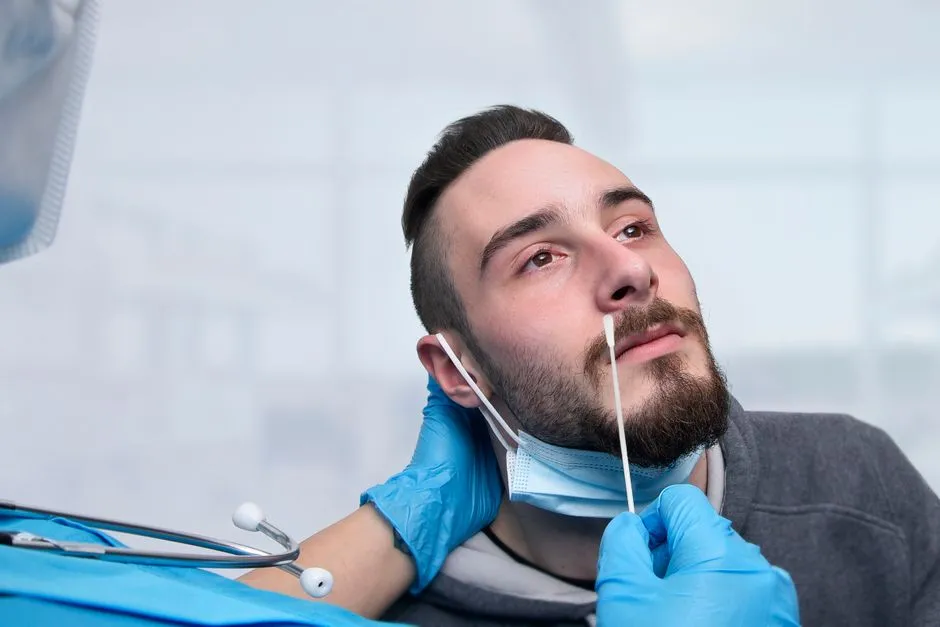
There is a universal moment of dread that almost everyone experiences during a routine physical. You are sitting in the examination room, the clipboard is ready, and then the clinician reaches for a long, stiff cotton swab. Even when you know the test is completely routine, the mere anticipation of having a tool shoved deep into your nasal passage can trigger an immediate gag reflex or a wave of anxiety. For years, this has been the standard for collecting biological samples, but a new development from a Japanese startup is finally challenging that uncomfortable norm.
The Problem with Traditional Nasal Swabs
Traditional swabbing has been the backbone of diagnostic sampling for decades. It is effective, relatively cheap, and widely understood. However, it comes with a steep cost in terms of patient comfort and clinical efficiency. The physical intrusion required to gather an adequate sample often leads to nosebleeds, severe irritation, or even vertigo in sensitive patients. Beyond the immediate discomfort, the process is inherently single-use, generating massive amounts of medical waste. Clinicians also have to spend valuable time explaining the procedure and waiting for patients to adjust, which slows down high-volume clinics and adds unnecessary friction to preventative care visits.
A Less Intrusive Alternative
Recognizing these widespread frustrations, a Japanese medical technology startup has engineered a system designed to completely bypass the physical intrusion of traditional swabs. Rather than forcing a tool into the nasal cavity, this new device utilizes a non-contact sampling method that captures the necessary biological data through airflow and proximity sensors. The patient simply sits comfortably in the examination chair and follows basic breathing instructions. The device quietly draws in a controlled stream of air, analyzing the particulate matter and chemical compounds present in the exhaled breath and nasal airflow without ever making physical contact with the patient.
How the Technology Works
At its core, the system relies on advanced microfluidics and optical sensors that can detect and isolate specific biomarkers from a standard breath sample. By focusing on the natural aerosolized particles that humans constantly release, the device can gather the same diagnostic information that a traditional swab would, but with a fraction of the discomfort. The entire process takes only a few seconds, and the results are processed through a streamlined digital interface that integrates directly with existing electronic health records. There is no plastic waste, no risk of cross-contamination from shared tools, and absolutely no need to endure the dreaded deep-nose insertion.
Why This Matters for Modern Healthcare
The shift toward non-invasive diagnostics is not just about comfort; it is about improving the overall quality of preventative medicine. When patients are not anxious about the procedure itself, they are significantly more likely to keep up with their scheduled checkups. This kind of technology addresses a major barrier in healthcare: patient compliance. If a routine physical feels like a quick, painless conversation rather than a clinical ordeal, people will prioritize their long-term health more consistently. Healthcare providers also benefit from the increased efficiency. The key advantages include:
- Faster appointment turnover due to streamlined sample collection
- Reduced medical waste by eliminating single-use plastic swabs
- Higher patient satisfaction leading to better long-term compliance
- Improved clinical workflow for already overburdened medical staff
The Road Ahead
While traditional swabs will likely remain necessary for certain specialized clinical scenarios, innovations like this one signal a broader shift in how we approach routine diagnostics. The medical field is gradually moving away from invasive procedures and toward ambient, sensor-driven technology that respects the patient’s comfort while maintaining high accuracy standards. As more startups and established manufacturers invest in non-contact sampling systems, we can expect to see these devices roll out in primary care clinics, corporate wellness centers, and eventually, home health monitoring kits. The uncomfortable swab may soon become a relic of the past, replaced by a system that makes staying healthy actually feel like a positive experience.
Healthcare technology has always been about solving practical problems, and this new approach tackles one of the most universally disliked aspects of routine medicine. By prioritizing patient comfort without sacrificing diagnostic reliability, this Japanese innovation proves that even the smallest changes in a clinical setting can lead to massive improvements in how we all experience preventative care. As the technology matures and gains regulatory approval across different regions, it will likely become a standard fixture in examination rooms worldwide, finally putting an end to the dread of the routine swab.
