


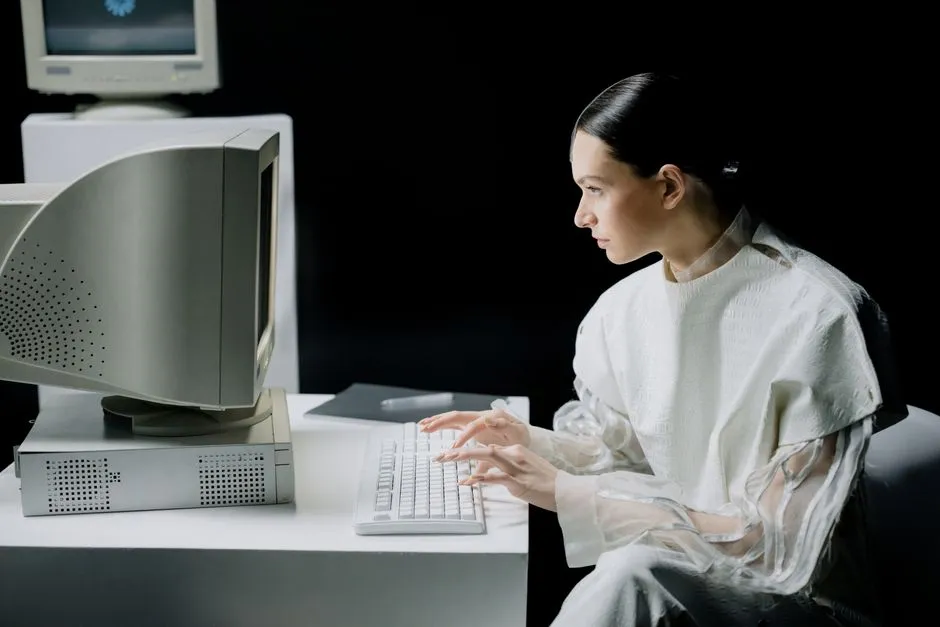
For most of the modern era, the computer had a pretty consistent shape. It sat on a desk, glowed through a screen, and waited for someone to click, type, or swipe. Even after laptops, tablets, and smartphones made it more portable, the basic idea remained the same: a computer was something you opened, looked at, and interacted with directly.
That idea is starting to feel outdated.
The computer is no longer becoming just another device. It is becoming a layer of the world itself. It is spreading into rooms, vehicles, clothing, workplaces, and personal routines in ways that are easy to overlook unless you pay close attention. If you step back, the shift is not just about new gadgets. It is about the computer changing shape, becoming less visible, more contextual, and more woven into daily life.
There are several rabbit holes worth following if you want to understand where this is going. Four of them stand out in particular.
1. AI is becoming the new operating layer
The most obvious rabbit hole is artificial intelligence, but the real story is not just that AI exists. It is that AI is becoming the way people interact with computing itself. For decades, software was built around menus, buttons, dashboards, and workflows. You had to learn the logic of the tool. AI is quietly replacing that model with something more conversational, adaptive, and task-focused.
Instead of asking a program to do one narrow job, people are increasingly asking a system to understand intent. That changes the relationship between user and machine. The computer stops being a place where you go to perform a task and starts becoming a partner that helps you decide what to do next. This is why AI feels less like a feature and more like a foundation. It is not just another app category. It is becoming a new layer between people and everything else.
2. Screens are losing their monopoly
The second rabbit hole is the fading dominance of the screen. For years, the assumption was that if technology was advancing, it would mean bigger, sharper, faster displays. That is still true, but it is no longer the whole story. The computer is increasingly moving into forms that do not rely on a flat panel at all.
Voice, ambient displays, smart glasses, wearables, in-car systems, and home devices are all part of a broader trend: computing is becoming distributed. You do not always need to stare at something to use it. Sometimes the most useful interaction is a quick glance, a spoken command, or a notification that appears only when it matters. This does not mean screens will disappear, but it does mean the computer is no longer defined by one dominant surface. It is becoming more fluid, more contextual, and less tied to a single physical object.
3. Computing is moving into physical spaces
The third rabbit hole is the physical world. The computer is no longer only something you carry or sit in front of. It is embedded in environments: homes, offices, factories, cars, retail spaces, and public infrastructure. Sensors, edge computing, and connected devices are turning ordinary spaces into responsive systems that can collect data, make decisions, and act in real time.
This is one of the least visible but most important changes happening right now. A smart home is not just a collection of gadgets. It is a system that can learn patterns, adjust lighting, monitor energy use, and respond to routines. A modern car is not just a vehicle. It is a rolling computer platform. A factory floor is not just a place where machines run. It is a network of data points that can optimize performance and reduce downtime. In other words, the computer is becoming spatial. It is no longer just a tool you use. It is part of the space you move through.
4. Identity, memory, and trust are becoming the new hardware
The fourth rabbit hole is the least visible but arguably the most important. As computing spreads into more parts of life, the real bottleneck is no longer just processing power or storage. It is trust. Identity. Memory. The ability to know who is being served, what they have done before, what they are likely to want, and whether a system can be relied upon to act safely and appropriately.
This is where the future of the computer becomes less about silicon and more about context. Personalization depends on memory. Security depends on identity. Reliability depends on consistent behavior across devices and services. In the old world, the computer was a thing. In the new world, it is more like a continuous presence that follows you across surfaces and environments. That makes the underlying systems of trust, privacy, and data governance far more important than they used to be. If the computer is changing shape, then the rules around it have to change too.
Why this matters
What makes all of this interesting is that the change is not happening in one dramatic leap. It is happening in increments. A better assistant here. A smarter device there. A more connected room, a more capable car, a more personalized workflow. On their own, these developments may not seem revolutionary. But together, they point to a different kind of computing: one that is less about opening an app and more about blending into the flow of life.
That is why the phrase “the computer is changing shape” is worth taking seriously. It is not just a design trend. It is a structural shift. The computer is becoming less an object and more an environment. Less a machine you visit and more a system you live inside. The four rabbit holes above are not separate stories. They are different angles on the same transformation: computing is becoming more ambient, more intelligent, more spatial, and more deeply tied to who we are.
If you want to understand where technology is heading, this is the place to look. Not just at the next phone, the next model, or the next flashy demo, but at the slow, steady reshaping of how people and machines exist together. The computer is no longer just a tool in your hand. It is becoming part of the world around you, and that is the real story worth following.
Related read: AI Wonderland Weekly: Why AI Safety Became the Industry’s Main Topic in July 2026
