


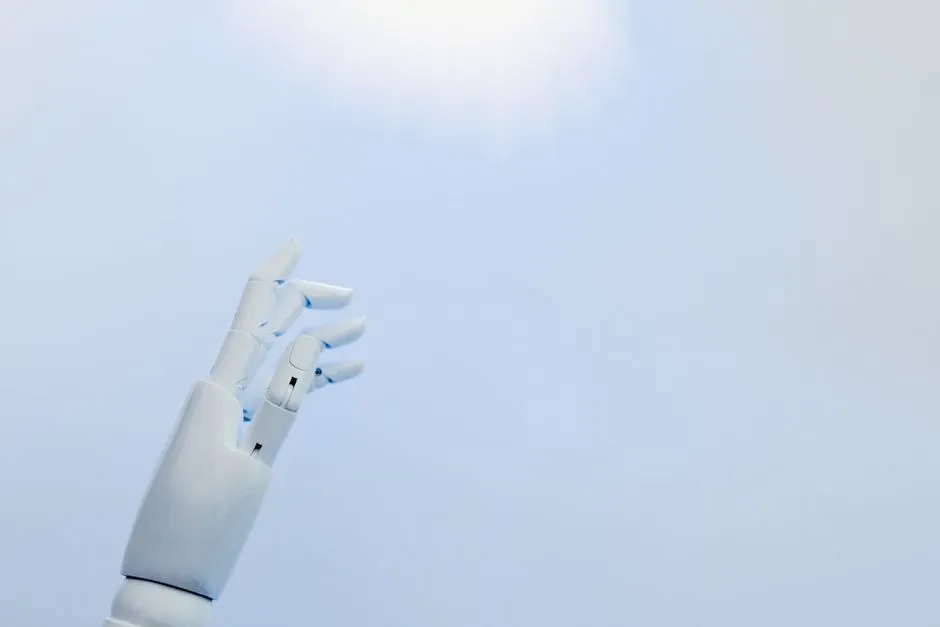
The line between science fiction and reality continues to blur. We have seen robots that can walk, run, and even perform backflips. But there is something uniquely unsettling—and profoundly impressive—about a machine that can use its hands with the dexterity and speed of a human. Enter the 1X Neo robot, a soft, oddly intimate home-chore robot that has been given some very tactile, and freakishly fast, fingers.
While many humanoid robots focus on brute strength or perfecting the gait of a two-legged walk, 1X has focused on the most human of all skills: touch. The result is a robot that feels less like a piece of heavy machinery and more like a helpful, albeit slightly eerie, assistant. The latest updates to the 1X Neo have given it hands that can manipulate objects with a speed and precision that is genuinely startling to watch.
Why the Hands Matter More Than the Legs
For years, the robotics industry has been obsessed with locomotion. Getting a robot to walk without falling over was the primary challenge. But 1X, and a few other forward-thinking companies, realized that the real bottleneck for useful domestic robots is not how they get to the kitchen, but what they can do once they get there. Folding laundry, washing dishes, picking up a fragile glass—these are tasks that require a level of tactile sensitivity that is incredibly difficult to engineer.
The 1X Neo’s new hands are a breakthrough in this area. They are designed to mimic the human hand’s ability to apply just the right amount of pressure. This is not about crushing a can; it is about the delicate art of handling a tomato without bruising it. The speed of the fingers is what makes the Neo stand out. It can pick up and place items with a rapid, almost reflexive motion, closing the gap between human and machine efficiency. This is a far cry from the jerky, slow movements we have come to expect from industrial robots.
The “Freaky Fast” Factor
The term “freaky fast fingers” is not an exaggeration. In demonstrations, the 1X Neo performs tasks like sorting items or picking up specific objects from a cluttered table with a speed that is almost jarring. It suggests a level of processing power and motor control that is leaps and bounds ahead of previous generations. This speed is critical for a robot that is intended to help around the house. A robot that takes ten minutes to fold a single shirt is not a helper; it is a novelty. The Neo aims to be a genuine time-saver.
This development is a significant step toward the dream of a general-purpose home robot. As detailed by Wired, the 1X Neo is designed to be a soft, safe presence in your home. Its movements are not threatening, but the speed of its hands adds a new dimension to its capabilities. It is no longer just a rolling torso; it is a machine that can actually interact with the world in a meaningful, high-speed way.
The Intimacy of a Home Robot
There is an inherent intimacy in a robot that can touch. When a robot can hand you a drink or help you put on a jacket, the relationship changes. It becomes less of a tool and more of a companion. 1X seems to understand this. The design of the Neo is deliberately soft and non-threatening. It has a rounded, almost plush aesthetic that is meant to put people at ease. But the hands are where the real connection happens.
This focus on tactile interaction is what separates the 1X Neo from other humanoid robots like the Unitree or even the more industrial-focused models. It is built for the home, for the delicate tasks that define our daily lives. The ability to manipulate objects with speed and care is the key to unlocking a future where robots are a common sight in our living rooms, not just on factory floors.
What This Means for the Future of Chores
The implications for household chores are massive. Imagine a robot that can clear the table after dinner, unload the dishwasher, or even help with simple meal prep. These are the tasks that take up precious minutes of our day. The 1X Neo, with its advanced hands, is the first real glimpse of a machine that can handle these jobs reliably.
Of course, we are not quite at the stage of a fully autonomous home assistant. The technology is still in development, and the cost of such a sophisticated piece of machinery will likely be high for the foreseeable future. However, the progress shown by 1X is undeniable. They are solving the most difficult part of the robotics puzzle: the ability to interact with a world that was designed for human hands.
A New Era of Tactile Robotics
The 1X Neo robot is more than just a cool gadget. It represents a fundamental shift in what we expect from our machines. We are moving past the era of voice assistants and into the era of physical assistants. The “freaky fast fingers” of the 1X Neo are not just a party trick; they are a proof of concept. They prove that a robot can be fast, safe, and delicate all at the same time.
As the technology matures, we can expect to see these capabilities become standard. The future of home robotics is not about a machine that can talk to you; it is about a machine that can help you. And that help starts with a handshake—or in this case, a very fast, very precise, and very gentle pair of fingers.
The 1X Neo is a fascinating look into a future where our homes are more automated, and our chores are handled by a soft, silent, and incredibly dexterous companion. It is a future that is looking more real, and more intimate, every day.
