


In a move that underscores the immense energy demands of modern artificial intelligence, Elon Musk’s SpaceX is reportedly spending a staggering $2.8 billion to purchase gas turbines. This massive investment is not for launching rockets, but to power a new generation of AI data centers tied to Musk’s AI venture, xAI. The news, first reported by Wired, reveals a strategic pivot that aims to make xAI a major player in the cloud computing space, but it also brings with it a fresh wave of environmental scrutiny.
The Scale of the Investment
The $2.8 billion price tag is eye-catching, even by the standards of a company accustomed to multi-billion dollar contracts. To put it in perspective, this is roughly the same amount SpaceX charges for a single Falcon Heavy launch, or the cost of developing a brand new rocket engine. But instead of propelling payloads into orbit, these turbines will generate electricity—lots of it.
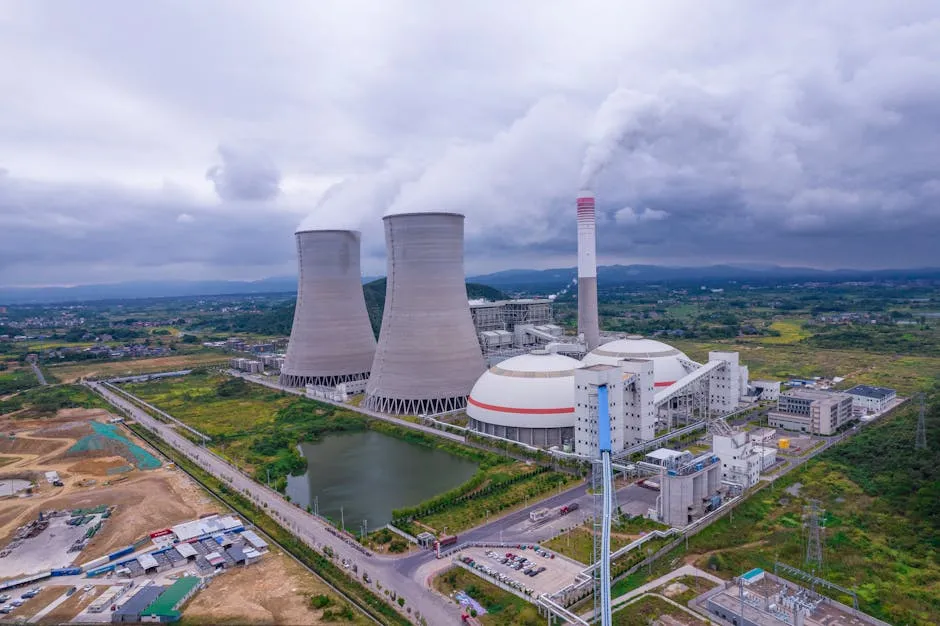
Gas turbines are essentially jet engines bolted to the ground. They burn natural gas to spin a generator, producing vast amounts of power quickly and relatively efficiently. For an AI data center, which runs thousands of power-hungry GPUs (graphics processing units) 24/7, a reliable and massive power supply is non-negotiable. The grid often can’t deliver the required capacity fast enough, which is why companies like Musk’s are taking matters into their own hands.
Why Gas Turbines and Not Something Greener?
This is the central tension of the story. While Musk has built his reputation on electric vehicles (Tesla) and solar energy (SolarCity), the immediate need for xAI’s computational power is so intense that it is bypassing renewable energy sources in favor of natural gas. The turbines are carbon-emitting units, and environmental groups have already begun to raise complaints.
The decision highlights a harsh reality of the current AI boom: the technology demands energy faster than the world can build clean power plants. Solar and wind farms take years to permit and construct. A gas turbine plant can be built in a fraction of the time. For xAI, which is racing to train and deploy its Grok chatbot and other AI models, speed is everything. The company is essentially choosing reliability and speed over sustainability in the short term.
A Bid to Become a Cloud Computing Giant
This isn’t just about powering Grok. The investment signals a much larger ambition. By building its own massive data center infrastructure, xAI is positioning itself to compete directly with the “Big Three” of cloud computing: Amazon Web Services (AWS), Microsoft Azure, and Google Cloud.
Currently, most AI startups rely on renting computing power from these giants. If xAI can build its own fleet of data centers, it can not only control its own destiny but also offer cloud services to other companies. This would be a direct challenge to the established order. The $2.8 billion turbine purchase is essentially the down payment on becoming a hyperscaler—a company that operates at the absolute top tier of internet infrastructure.
The Environmental and Logistical Challenges
The plan is not without its problems. Beyond the immediate carbon footprint, there are significant logistical hurdles. Gas turbines require a steady supply of natural gas, which means pipeline connections and long-term fuel contracts. They also produce significant noise and heat, requiring complex cooling systems.
Furthermore, the environmental complaints are not just a PR problem. They could lead to legal challenges, permit delays, and increased regulatory scrutiny. In an era where every major tech company has pledged to be carbon neutral or negative, building a fleet of gas-burning power plants is a bold and potentially controversial strategy. Musk’s team will need to navigate these issues carefully, likely by pairing the turbines with battery storage and future plans for carbon capture or a transition to hydrogen fuel.
What This Means for the AI Industry
SpaceX’s move is a bellwether for the entire AI industry. It confirms that the bottleneck for AI progress is no longer just algorithmic innovation or chip design—it is energy. Every major player is scrambling to secure power. Microsoft has made deals to restart the Three Mile Island nuclear plant. Amazon has purchased a nuclear-powered data center campus. Google is investing in small modular reactors.
Musk’s choice of gas turbines is the most aggressive and immediate solution yet. It shows that when faced with a choice between green energy goals and AI dominance, the current priority is clear. This could set a precedent for other companies, potentially leading to a surge in natural gas demand that runs counter to global climate targets.
Conclusion: A Calculated Risk with High Stakes
The $2.8 billion gas turbine purchase is a defining moment for SpaceX, xAI, and Elon Musk. It is a high-stakes gamble that prioritizes raw power and speed over environmental idealism. If successful, it will catapult xAI into the ranks of the world’s most important computing companies, giving Musk a seat at the table of the cloud computing oligopoly.
If it fails—whether due to regulatory backlash, environmental protests, or a shift in energy economics—it will stand as an expensive lesson in the perils of trying to outrun the grid. For now, the turbines are spinning, and the race to build the infrastructure of the AI future is officially in overdrive. The world will be watching to see if this power play pays off, or if the carbon cost proves too high.
