


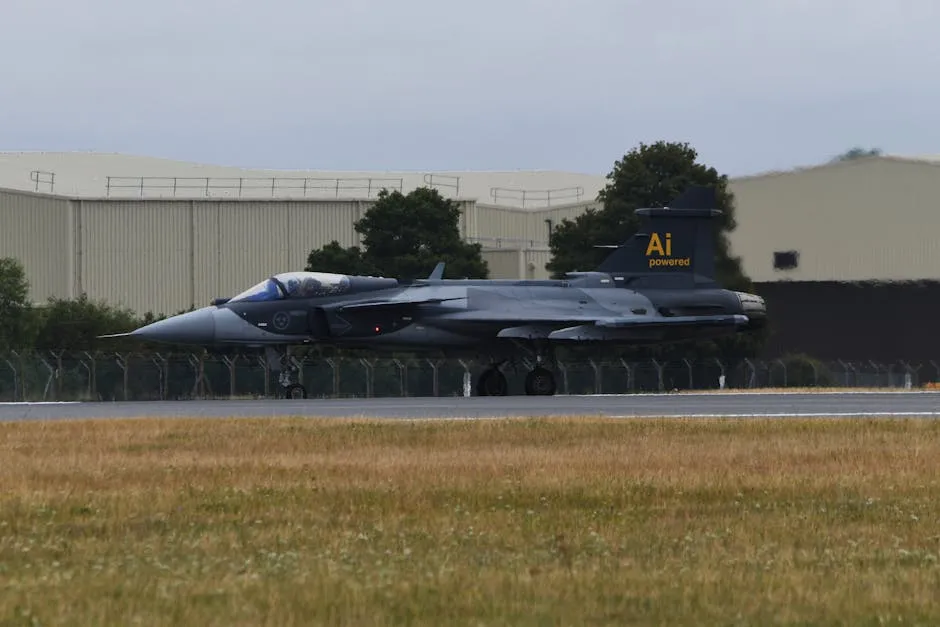
OpenAI Steps into the Defense Arena
In a significant move that signals the deepening integration of artificial intelligence into national security, OpenAI CEO Sam Altman has announced a new partnership with the U.S. Department of Defense. The deal, however, comes with a notable caveat: the implementation of what Altman describes as “technical safeguards.” This announcement directly addresses the complex ethical and safety concerns that have become a major point of discussion, particularly following similar controversies faced by other AI labs like Anthropic.
The partnership marks a pivotal moment for OpenAI, a company whose founding principles included a strong commitment to developing AI “for the benefit of humanity.” Engaging with defense and military applications has historically been a contentious issue within the AI community, raising questions about the development of autonomous weapons and the broader militarization of advanced technology.
Navigating the Ethical Minefield
Altman’s emphasis on safeguards appears to be a preemptive response to these very concerns. While specific details of the protective measures were not fully disclosed, the framing suggests they are designed to prevent the misuse of OpenAI’s models in ways that could lead to loss of human life or escalation of conflict. This could include strict limitations on the types of tasks the AI can perform, robust auditing and monitoring systems, and “human-in-the-loop” protocols that ensure ultimate decision-making authority remains with people.
The reference to Anthropic is telling. Anthropic, a major OpenAI competitor founded by former OpenAI researchers, has also grappled with the ethics of defense contracts. Their public struggles have highlighted the industry’s internal tension between commercial opportunity, technological advancement, and core safety principles. By proactively announcing safeguards, Altman is attempting to differentiate OpenAI’s approach and mitigate potential backlash from employees, users, and the public who are wary of unchecked AI in military hands.
What This Means for the Future of AI
This contract is more than just a business deal; it’s a bellwether for the industry. It demonstrates that leading AI companies are now considered essential partners for government modernization and national security. The Pentagon’s interest is clear: AI can offer immense advantages in data analysis, logistics planning, cybersecurity, and simulation training.
However, this new frontier comes with immense responsibility. The effectiveness and integrity of the promised “technical safeguards” will be closely scrutinized. Can software constraints truly prevent misuse in high-stakes environments? Who oversees and verifies these safeguards? These are the critical questions that will define this partnership and set a precedent for future government-AI collaborations.
The move also pressures other AI firms to clarify their own policies. As the line between commercial and governmental use of AI blurs, companies will need transparent stances on what they will and will not build, and for whom. OpenAI’s foray into defense, with its stated guardrails, is now a central case study in the ongoing debate about building powerful technology responsibly while operating in the real world.
