


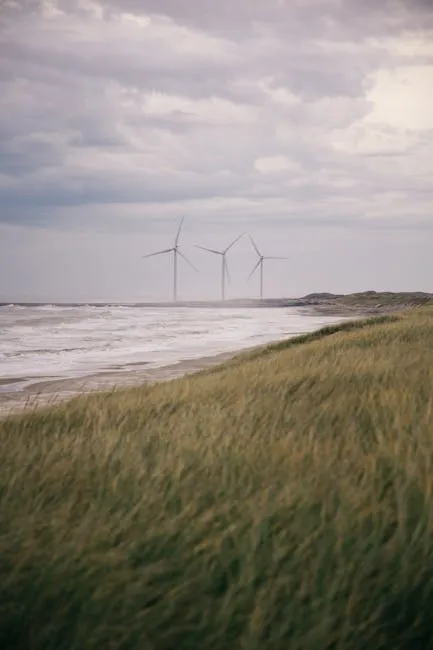
We are often told that the future of computing requires massive power consumption and cooling solutions. Usually, this means sprawling campuses in cold climates or investing in high-capacity power grids. However, a new development suggests we might be overthinking the location of our next generation of data centers. Offshore wind developer Aikido is planning to deploy small data centers directly beneath floating offshore wind turbines later this year.
A New Model for Energy and Computing
The concept isn’t just about placing servers near power; it is about integrating them with the generation source itself. By building infrastructures underneath existing turbines, Aikido aims to solve two major industry headaches simultaneously: energy supply and cooling requirements.
The Power Advantage
Data centers are notoriously energy-intensive. When you place a facility under a wind turbine, you eliminate the need for long-distance power transmission lines that often suffer from loss during transit. The turbines generate electricity directly where it is needed. This creates a highly efficient micro-grid that reduces the carbon footprint of cloud computing significantly.
Cooling Without Water
Another significant hurdle in traditional data centers is thermal management. Offshore environments offer natural cooling potential. Instead of pumping vast amounts of water through cooling towers, which can strain local ecosystems, sea breezes and ambient temperatures can help regulate the heat generated by servers. This approach aligns perfectly with the broader goal of sustainability in the tech industry.
Why Move Away from Space?
The original headline asks who needs data centers in space when they can float offshore. While low-earth orbit satellites offer unique advantages for latency and connectivity, the physical demands of housing massive compute clusters remain best suited to ground-level or near-ground infrastructure where power density is manageable.
Placing these facilities under wind turbines also presents a strategic advantage regarding redundancy. If one turbine goes offline for maintenance, the others can continue powering nearby operations. Furthermore, integrating computing with renewable generation helps stabilize the energy grid, allowing for more consistent uptime for cloud services.
The Future of Green Infrastructure
This project by Aikido signals a shift in how we view data centers. We are moving away from “energy-hungry” structures toward symbiotic ecosystems where infrastructure supports itself. As demand for AI and machine learning grows, the need for clean energy becomes critical.
Offshore wind is one of the fastest-growing renewable sectors globally. Combining this with high-demand computing creates a perfect synergy. It suggests that the future of cloud services might not be in server farms deep inland, but instead floating on the ocean, harnessing nature to power our digital world.
As we look toward 2026 and beyond, projects like this will likely become more common. The challenge now lies in scaling these deployments while managing the regulatory frameworks required for building underwater or sub-surface infrastructure. If successful, this model could redefine what a data center looks like, turning an expensive utility into a self-powered asset.
