


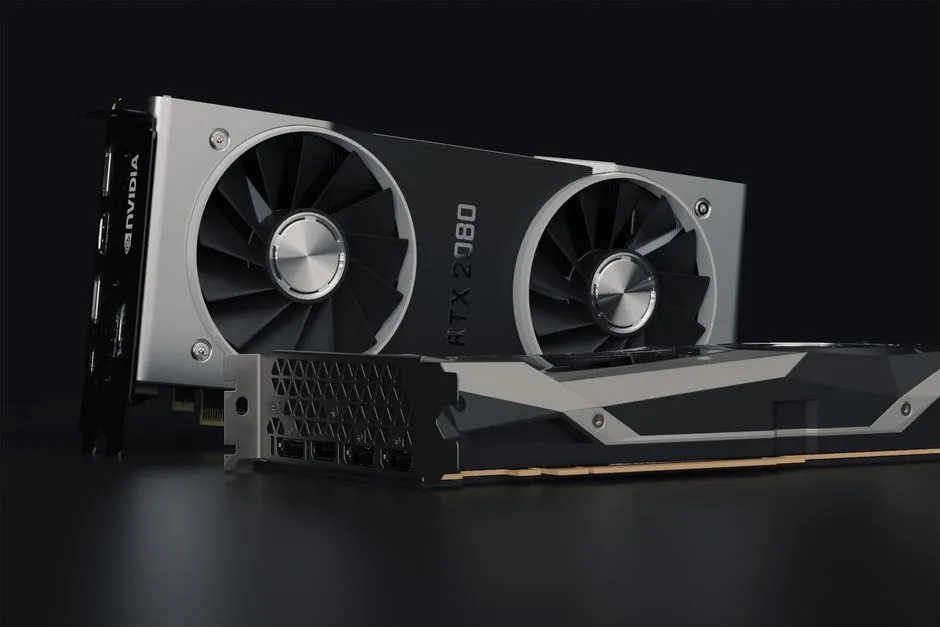
Nvidia’s Vera Rubin platform is a significant milestone for the company as it unifies CPUs and GPUs into a single system. This architecture represents a major step in pushing AI infrastructure further forward by allowing for more efficient processing of massive datasets within single hardware units. The goal is to ensure that every layer of AI infrastructure can run smoothly with high performance, rather than relying on fragmented components across multiple servers. By creating a unified computing environment, Nvidia aims to provide a seamless experience for developers and users alike while maintaining the critical need for data security and privacy.
The core concept behind this platform involves combining two distinct types of hardware: CPUs and GPUs into one cohesive system. This design choice allows for better resource sharing between processing units, ensuring that AI workloads are distributed more effectively across the entire machine. The Vera Rubin architecture is not just a theoretical concept but is being tested in real-world scenarios where data centers must process billions of tokens per second. This integration helps Nvidia optimize their overall software stack and hardware ecosystem to support complex AI models at scale.
Why does this matter for enterprise applications?
Enterprise clients often face challenges with managing large-scale training pipelines on multiple servers. With the Vera Rubin platform, companies can now streamline their infrastructure by combining these components into a single environment that meets the highest standards of performance required for big data analysis. This allows developers to focus more on coding while ensuring that all resources are utilized efficiently without unnecessary latency or bottlenecks.
The integration of chip solutions also helps Nvidia maintain its competitive edge in the high-performance computing sector. By offering a unified system, they can position themselves as a leader in providing specialized hardware for AI tasks rather than generic components. This approach allows them to create a robust ecosystem that is both powerful and cost-effective for their clients. The ability to optimize data centers through this architecture helps them stay ahead of market trends while ensuring long-term stability.
Beyond the hardware, this platform also supports software upgrades and updates. As technology evolves, the integration of these components ensures that new AI models can be deployed quickly without disrupting existing infrastructure. This flexibility makes it easier for companies to adapt their workflows as they scale up or down based on demand. The system is designed to handle a wide range of workloads, from training models to deploying real-time applications.
Looking ahead, the Vera Rubin platform represents a shift in how AI data centers are managed. Instead of being isolated components, now the focus is on creating a cohesive environment that can handle more complex tasks simultaneously. This holistic approach supports companies in achieving greater efficiency and cost-effectiveness. The goal remains to empower users with tools that allow them to work faster while maintaining high-quality standards across all systems involved.
As we move into 2026, the demand for advanced AI infrastructure continues to grow. Companies are increasingly looking for ways to handle large datasets efficiently without compromising performance. Nvidia’s approach provides a solid foundation for this growth. By combining components like CPUs and GPUs in a single system, they can deliver superior capabilities that meet the needs of modern technology demands.
This initiative represents a strategic move by Nvidia to secure future opportunities in AI infrastructure development. The platform ensures that their investments are directed towards areas where maximum value is generated while maintaining compliance with global standards. As we look toward 2026 and beyond, this architecture will likely play a pivotal role in shaping the landscape of artificial intelligence globally.
Ultimately, the Vera Rubin platform serves as a testament to Nvidia’s commitment to innovation. By unifying hardware components into a single system, they are addressing common challenges faced by data center infrastructure providers. This approach not only improves efficiency but also enhances overall user experience across all AI applications. With this level of integration, companies can now focus on their core business goals without being bogged down by technical complexity or resource constraints.
As the industry continues to evolve, Nvidia’s vision remains a beacon for those looking to build next-generation systems. The platform offers a robust foundation for future developments in artificial intelligence and machine learning. As technology advances, this architecture will continue to play a crucial role in enabling smarter decisions across industries worldwide.
