


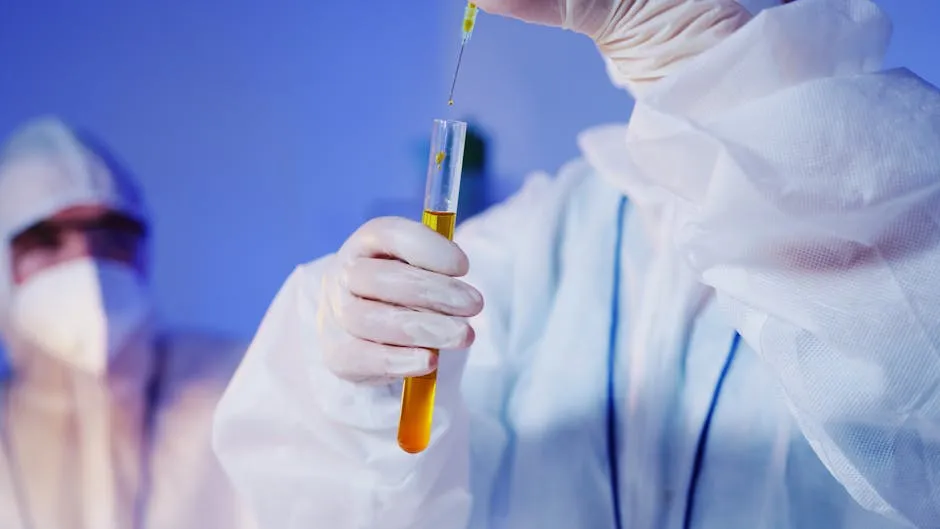
AI is moving fast, and with that speed comes new risks. One of the scariest is the idea that someone could use AI to build a biological weapon. A group of major AI labs, including OpenAI and Anthropic, along with scientists and executives, just sent a letter to lawmakers. Their message is simple: we need better tracking of synthetic DNA sequences that could be turned into weapons.
The problem: synthetic DNA and its double-edged nature
The tech at the center of this is pretty amazing. Scientists can now order custom DNA strands from commercial companies. This has changed medicine, farming, and biotech for the better. But it has a dark side too. The same tools that let researchers create new treatments could also let someone recreate or modify dangerous viruses, like smallpox or something worse.
The letter says the current screening process for these DNA orders is not good enough. Some responsible companies already check orders against a list of known threats. But the process is not standard, and there are gaps. The real worry is that a bad actor, maybe with help from an AI, could design a new pathogen that doesn’t match anything on the list. The existing checks would miss it.
What they want: standard screening for everyone
The letter is not calling for a ban on synthetic DNA or a stop to AI research. It is a practical request for a policy change. The signatories want lawmakers to make screening mandatory for all synthetic DNA orders. This means a strong, universal system that goes beyond checking a static list.
A better system would probably need to use AI to spot dangerous sequences, even if they are new or have been tweaked. It is a job that AI is actually good at, creating a kind of guardrail for a technology that AI could otherwise help someone abuse. The letter stresses that this is a critical step we can take right now, before the tech gets even better and the risks get worse.
Why this matters: the AI labs are speaking up
The fact that this letter comes from the companies building the most powerful AI models is a big deal. It shows the industry is starting to take its responsibilities seriously. For a while, talk about AI safety was seen as hypothetical or alarmist. By taking a concrete stand on a specific risk, OpenAI and Anthropic are showing they are serious about responsible development.
These companies know their models better than anyone, including how they could be misused in biology. Their call for regulation is a clear admission that market forces alone will not handle existential risks. They are asking the government to step in and set safety standards for everyone.
The bigger picture: AI and biosecurity
This is part of a larger conversation about AI and biosecurity. For years, experts have warned that as AI gets better at things like protein folding and genetic design, building a bioweapon will get easier. What used to take a state-sponsored program with a lot of expertise might soon be done by a smaller, less skilled group with a powerful AI and a DNA synthesizer.
The letter is trying to build a fence at the top of the cliff instead of parking an ambulance at the bottom. Waiting for a disaster to happen before putting safeguards in place would be a failure of foresight. The proposed screening is a form of safety by design, building security into the biotech supply chain.
The hard part: making it work
The goal is widely supported, but getting there is not easy. One big challenge is balancing security with scientific progress. Too much regulation could slow down legitimate research in synthetic biology, which has huge potential for health, energy, and materials. The trick is to design a system that catches malicious orders without getting in the way of real scientists.
Another challenge is that DNA synthesis is a global industry. A law in the US alone will not stop someone from ordering a dangerous sequence from a lab in another country. The letter is a first step, and its long-term success depends on whether other governments and international groups follow suit.
A responsible move in a new era
The letter from OpenAI, Anthropic, and others is more than just a policy suggestion. It marks a shift in the AI industry from pure competition to a more collaborative approach to managing a technology that could change everything. By focusing on a concrete action like synthetic DNA screening, these groups are helping to map out a safer path. The debate on AI regulation is just starting, but this move shows how industry leaders can work with policymakers to tackle the biggest risks. The hope is that lawmakers will listen, not just to the warnings, but to the offer of help in building a future where powerful tech serves people without destroying them.
