


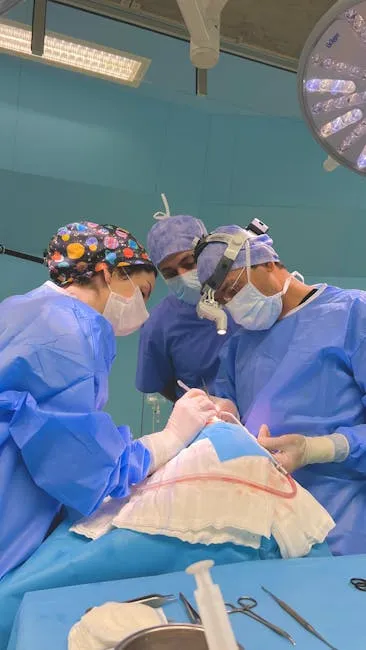
If you have followed cosmetic trends or medical tourism over the past decade, you have likely noticed a striking pattern: Istanbul has become the undisputed global capital for hair restoration. But the story behind this billion-dollar industry goes far beyond affordable pricing and strategic geography. At its core, Turkey’s dominance in hair transplantation is a masterclass in relentless innovation, blending advanced engineering, data science, and surgical expertise into a highly optimized medical ecosystem.
More Than Just a Destination: The Engineering Behind the Boom
For years, the narrative around Turkish hair transplants focused primarily on volume and cost. While those factors certainly play a role, the real secret lies in the hardware. Clinics across the country have moved away from generic surgical tools and invested heavily in purpose-built machinery. Specialized micro-motors, precision drills, and ergonomic extraction devices have been engineered specifically for follicular unit transplantation. These tools do more than just speed up the process; they dramatically reduce tissue trauma, improve graft survival rates, and minimize surgeon fatigue during long procedures.
This shift toward specialized equipment has turned hair restoration into a highly standardized, repeatable process. By treating the procedure with the same engineering rigor as a precision manufacturing line, Turkish clinics have managed to scale operations without sacrificing clinical quality. The result is a system where thousands of patients can receive consistent, high-quality outcomes year after year.
Machine Learning Meets Dermatology
Perhaps the most fascinating evolution in the industry is the integration of artificial intelligence. Modern clinics are no longer relying solely on a surgeon’s visual assessment to plan a procedure. Instead, they are deploying machine learning algorithms to analyze scalp topography, assess donor area density, and predict long-term hair growth patterns.
These AI-driven diagnostic tools process high-resolution images to map hair follicle distribution, calculate optimal extraction angles, and even simulate how a new hairline will age over time. By feeding vast amounts of procedural data into these systems, clinics can continuously refine their algorithms. This creates a powerful feedback loop where every patient’s outcome helps train the system to make more accurate predictions for the next one. What was once a highly subjective art form is now becoming a data-driven science.
Personalization at Scale
One of the biggest challenges in cosmetic medicine is balancing personalization with efficiency. AI bridges that gap by generating customized treatment plans in minutes rather than hours. Algorithms can factor in a patient’s age, ethnicity, hair texture, and lifestyle to recommend the most suitable technique, whether it’s FUE, DHI, or a hybrid approach. This level of computational personalization ensures that even in high-volume clinics, each patient receives a tailored strategy that maximizes their chances of success.
Optimizing the Entire Patient Journey
Innovation in Turkey’s hair transplant sector extends well beyond the operating room. The entire patient experience has been digitized and streamlined. From automated pre-consultation assessments to AI-powered aftercare monitoring, technology touches every stage of the journey. Digital platforms now handle scheduling, translation, and remote follow-ups, reducing administrative bottlenecks and allowing medical staff to focus on what matters most: patient care.
Data analytics also play a crucial role in quality control. Clinics track key performance indicators like graft survival rates, patient satisfaction scores, and complication rates. By aggregating this data, facility managers can identify trends, adjust protocols, and implement corrective measures in real time. This continuous improvement mindset is what keeps the industry competitive and trustworthy in a global market.
What the Future Holds for Medical Tech
The success of Turkey’s hair transplant industry offers a compelling blueprint for the future of cosmetic and reconstructive medicine. As augmented reality, computer vision, and predictive analytics continue to mature, we can expect even more sophisticated integrations. Imagine virtual try-ons that let patients see realistic, age-progressive simulations of their new hairline before making a commitment, or wearable sensors that monitor scalp healing and alert clinicians to potential infections before they become visible.
More importantly, this model proves that medical tourism does not have to mean compromised standards. When paired with rigorous innovation, high-volume healthcare can actually drive down costs while raising the bar for clinical excellence. Turkey has effectively hacked the hair transplant industry by treating it as a technology problem rather than just a medical one. And as other sectors look to replicate this formula, the lines between cosmetic care, engineering, and artificial intelligence will continue to blur, paving the way for a more precise, accessible, and intelligent future in healthcare.
