


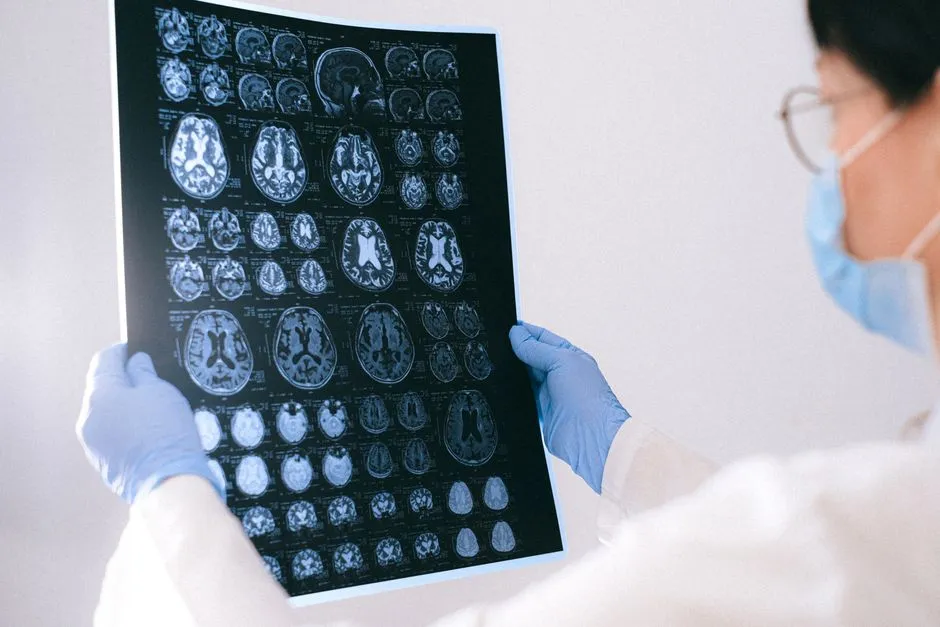
The Leap From Facial Recognition to Brain Health
When most people think about the engineers behind Apple’s FaceID, they picture teams optimizing facial mapping algorithms for smartphones and laptops. But the same foundational skills that make secure, instant facial recognition possible are now being redirected toward a far more complex frontier: the human brain. Gidi Littwin, a key figure in the development of FaceID, has taken his expertise in computer vision and pattern recognition and applied it to a new venture called Hemispheric. The startup is building AI-driven diagnostic tools designed to analyze brain scans for conditions that have long relied on subjective assessments and trial-and-error treatments.
At its core, this shift represents a natural evolution of machine learning. If an algorithm can be trained to recognize the subtle geometric patterns of a human face in milliseconds, it stands to reason that similar models could be trained to identify neurological and psychological patterns hidden within brain imaging data. The difference lies in the stakes. While unlocking a phone is convenient, diagnosing a neurological or mental health condition requires precision, empathy, and rigorous validation.
How Hemispheric’s AI-Powered Scanning Works
Hemispheric is not trying to replace doctors or clinical judgment. Instead, the company is building a diagnostic layer that sits alongside traditional medical practice. By feeding large datasets of brain scans into deep learning models, the AI learns to spot anomalies, structural variations, and functional patterns that might correlate with specific conditions. These patterns are often too subtle or complex for the human eye to catch during a standard review, but machine learning models excel at finding hidden correlations across millions of data points.
The technology is designed to be non-invasive and streamlined. Rather than requiring patients to undergo lengthy, expensive, or intimidating procedures, Hemispheric aims to create a scanning process that is quick, comfortable, and highly standardized. The AI then processes the imagery and returns a structured report that highlights potential risk factors or early warning signs, giving clinicians a clearer starting point for treatment planning.
Diagnosing the Invisible: Depression, PTSD, and Parkinson’s
One of the most compelling aspects of this approach is its focus on conditions that are notoriously difficult to diagnose. Depression, post-traumatic stress disorder (PTSD), and Parkinson’s disease all manifest differently across individuals, and their early stages can be easily overlooked or misattributed to stress, aging, or lifestyle factors. Traditional diagnostics for these conditions often rely heavily on patient self-reporting and clinical observation, which can lead to delayed interventions.
By introducing objective biomarkers derived from AI-analyzed brain scans, Hemispheric hopes to bridge that gap. For example, certain neural pathway degradations or activity imbalances may appear long before overt symptoms surface. Catching these signals early could allow for preventative care, targeted therapies, or lifestyle adjustments that significantly improve long-term outcomes. The goal is to move mental and neurological health from a reactive model to a proactive one.
The Vision: Making Brain Scans as Routine as Blood Tests
Perhaps the most ambitious part of Littwin’s roadmap is accessibility. Historically, advanced brain imaging has been reserved for specialized hospitals, research institutions, or severe clinical cases. The cost, equipment requirements, and interpretation time have kept it out of reach for everyday preventive care. Hemispheric is working to change that equation entirely.
The vision is straightforward: brain health screening should eventually be as simple, affordable, and routine as getting your blood drawn at a local clinic. If the technology can be miniaturized, automated, and scaled efficiently, it could be integrated into primary care offices, wellness centers, and even remote health monitoring setups. Lowering the barrier to entry means more people could get baseline scans, track changes over time, and receive early interventions before conditions become unmanageable.
Navigating the Challenges of Medical AI
Of course, translating this vision into reality involves navigating significant hurdles. Medical AI faces strict regulatory scrutiny, and for good reason. Patient data privacy, algorithmic bias, and the need for clinical validation are non-negotiable requirements. Any diagnostic tool must prove its accuracy across diverse demographics, age groups, and genetic backgrounds to avoid perpetuating health disparities.
Furthermore, the human brain is incredibly complex. Unlike a fractured bone or a blocked artery, neurological and mental health conditions often involve overlapping symptoms, environmental triggers, and psychological factors. AI models will need to be continuously updated, transparent in their decision-making, and carefully integrated into existing healthcare workflows. Trust will only be earned through peer-reviewed research, transparent methodology, and measurable improvements in patient outcomes.
What This Means for the Future of Healthcare
The convergence of consumer tech expertise and medical diagnostics signals a broader trend in modern healthcare. Engineers who spent years optimizing user experience and machine learning models are now turning their attention to human biology, bringing with them a focus on scalability, simplicity, and accessibility. When combined with rigorous medical oversight, this crossover has the potential to democratize advanced diagnostics.
If Hemispheric and similar ventures succeed, we could look forward to a future where brain health is monitored with the same regularity as blood pressure or cholesterol levels. Early detection, personalized treatment plans, and reduced healthcare costs would benefit millions of people worldwide. The technology is still in its developmental stages, but the direction of travel is clear: AI isn’t just changing how we interact with our devices anymore. It’s beginning to help us understand ourselves.
