


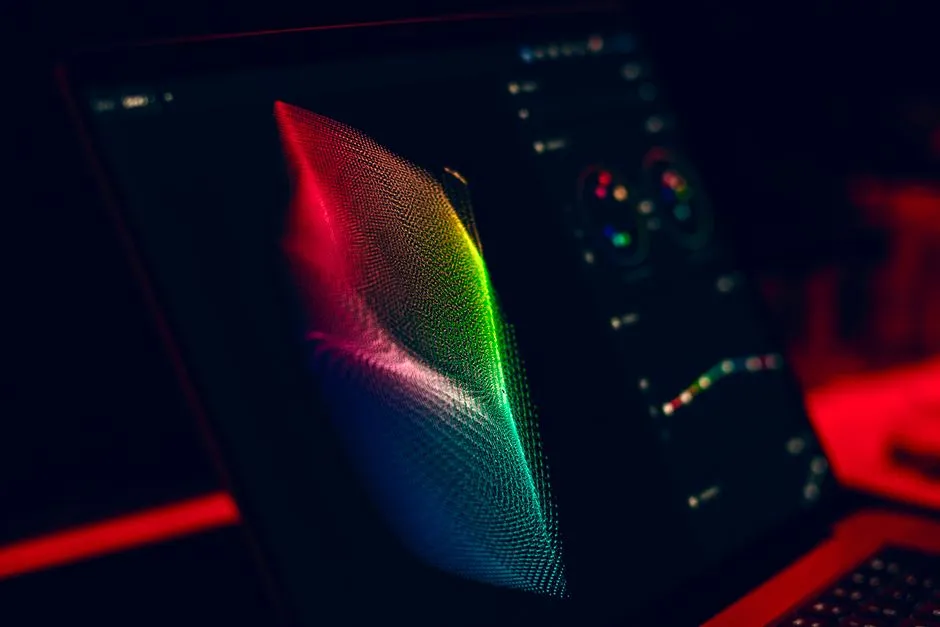
For most of the modern computing era, the computer has had a fairly stable identity: a screen, a keyboard, a tower, or a laptop. We carried it in bags, sat at desks, and learned to live inside rectangular windows. But that familiar shape is starting to slip. The computer is changing form, function, and even philosophy. It is no longer just a tool you open, use, and close. It is becoming something more ambient, more intelligent, and more deeply woven into daily life.
If you look closely at the current wave of technology, a few major rabbit holes stand out. They are not just product updates. They are shifts in what a computer actually is.
What It Means When the Computer Changes Shape
When we say the computer is changing shape, we are not only talking about hardware. A phone is thinner, a tablet folds, a smartwatch sits on your wrist, and a pair of glasses may soon display information in front of your eyes. But the deeper shift is that the computer is moving from a central object you interact with to a background presence that interacts with you.
In the past, you went to the computer. Now, the computer is increasingly coming to you. It appears in your pocket, your home, your car, your voice assistant, your calendar, and even your search results. That change matters because it changes what we expect from technology. We no longer just want it to respond to commands. We want it to anticipate needs, reduce friction, and make life easier without constant manual effort.
Rabbit Hole 1: The Computer Moves Into the Room
One of the biggest rabbit holes is the move from personal devices to environmental computing. For years, the computer was something you held or sat in front of. Now, it is spreading across the spaces we already occupy.
Smart speakers, wall displays, home hubs, car dashboards, and ambient sensors are all examples of this shift. The computer is no longer confined to a desk. It is embedded in the environment. A thermostat learns your habits. A video call appears on a wall display. A car becomes an extension of the personal workspace. A home can coordinate lighting, security, and media without you opening a single app.
This direction is fascinating because it raises a simple but important question: what happens when the computer is everywhere? The advantage is convenience. The risk is distraction, surveillance, and a loss of control. The best versions of this future will feel helpful, not invasive. The worst versions will make us feel like we are always being observed, optimized, and nudged.
Rabbit Hole 2: The Computer Starts Acting, Not Just Displaying
The second rabbit hole is perhaps the most consequential. For decades, computers have been display machines. They show information, run applications, and wait for input. The next phase is more active. Computers are beginning to act on our behalf.
This is where intelligent agents enter the picture. Instead of just showing you a list of flights, a computer may compare options, check your calendar, book the trip, and update your itinerary. Instead of just summarizing email, it may draft replies, sort requests, and follow up with people. Instead of just searching the web, it may plan, negotiate, and complete multi-step tasks.
That is a major change in the relationship between human and machine. The computer is no longer just a mirror for information. It is becoming a collaborator, a delegate, and sometimes a decision-support system. This is exciting, but it also demands trust. If a system can act in the world, we need to understand how it makes choices, what it is allowed to do, and how to correct it when it goes wrong.
Rabbit Hole 3: The Computer Gets Smaller, Closer, and More Personal
The third rabbit hole is the move toward intimate computing. The computer is shrinking and moving closer to the body. Wearables, earbuds, smart rings, and lightweight glasses all point in the same direction: less screen, more proximity.
This is not just about form factor. It is about context. A device worn on your wrist or around your neck has access to different kinds of information than a laptop on a desk. It can sense movement, location, health signals, and moments of attention. That makes it more useful, but also more personal.
The promise of small, close computing is that it can be less intrusive. Instead of staring at a phone, you glance, listen, or speak. Instead of carrying a large device, you carry something almost invisible. The challenge is that the more personal the device becomes, the more sensitive the data becomes. Health, location, habits, and attention are deeply private. The future of computing will depend on whether we can build devices that are intimate without becoming intrusive.
Rabbit Hole 4: The Computer Becomes a Service You Can\’t Quite See
The fourth rabbit hole is the most abstract. The computer is becoming less like an object you own and more like a service you use. In many cases, the hardware is just the entry point. The real value is in the software, the connectivity, and the ongoing intelligence behind it.
Cloud computing, subscription platforms, and AI-powered services have already changed the way we think about ownership. You may not own powerful processing in the same way you once did. You rent it, stream it, or call it when needed. The computer becomes a utility, almost like electricity. You do not need to understand the power plant to turn on the light. You just need the connection.
This shift has major implications. It can make advanced tools more accessible. It can lower the barrier to entry for creators, businesses, and everyday users. But it can also deepen dependence on platforms. If the computer is a service, then the service provider has enormous influence over what you can do, how you do it, and what you pay for it. The future will depend on whether this model empowers individuals or concentrates power in fewer hands.
Why These Rabbit Holes Matter
These four directions are not separate. They are overlapping. The computer is becoming more environmental, more agentic, more personal, and more service-based at the same time. That is why the sense of change feels so strong right now. We are not just getting new devices. We are entering a new relationship with computation.
The most interesting part is that this change is not just technical. It is cultural. It changes how we work, how we communicate, how we make decisions, and how much we trust machines. The computer used to be a tool we controlled. Now it is becoming a partner that sometimes controls the flow of our attention, our time, and our choices.
In the end, the computer is changing shape because human needs are changing. We want less friction, more capability, and more support in daily life. The question is whether the next forms of computing will feel liberating or controlling. The answer will depend not only on the technology itself, but on the design choices, privacy standards, and ethical boundaries we build around it. The computer is no longer just a box under a desk. It is becoming a layer of the modern world. And that makes understanding its shape more important than ever.
Related read: The Computer Is Changing Shape: 4 Rabbit Holes Worth Exploring
