


Diving Into a New Era of Green Computing
The technology industry has long faced a growing paradox: as our digital lives expand, the physical infrastructure required to support them consumes staggering amounts of energy and water. Data centers are the backbone of the modern internet, but they are also notorious heat generators and resource hogs. In a bold move to rewrite the rules of sustainable infrastructure, China has officially opened the world’s first wind-powered underwater data center. This facility represents a significant leap forward in how we think about housing, cooling, and powering the servers that keep our global network running.
The Natural Cooling Advantage of the Ocean
Traditional data centers rely on massive air conditioning systems, water cooling loops, and desert locations to keep servers from overheating. These methods are effective but incredibly expensive and environmentally taxing. By placing computing hardware directly on the ocean floor, engineers have eliminated the need for artificial cooling entirely. The surrounding seawater acts as a natural, infinite heat sink, absorbing excess thermal energy from the equipment and dissipating it into the marine environment.
How the Seawater Cooling System Works
The engineering behind this approach is surprisingly elegant. The data center modules are sealed in highly durable, pressure-resistant containers that prevent corrosion and water intrusion. Inside, heat exchange units pull thermal energy away from the servers and transfer it directly to the surrounding ocean water. Because seawater maintains a relatively stable temperature year-round, the system operates consistently without the seasonal fluctuations that plague land-based facilities. This passive cooling method drastically cuts electricity consumption, allowing more power to be directed toward actual computing tasks rather than climate control.
Harvesting Wind from the Waves
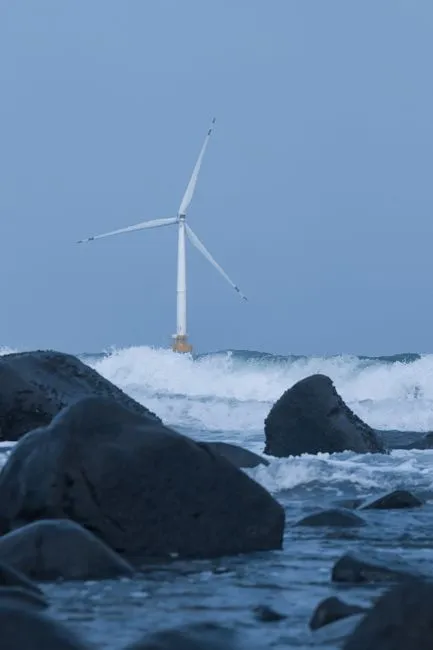
Cooling is only half the equation. The other half is power. This underwater facility does not draw from a traditional fossil-fuel-heavy grid. Instead, it is entirely powered by offshore wind turbines positioned nearby. The direct integration of renewable energy sources with data infrastructure removes a major bottleneck in the push toward carbon-neutral computing. Wind energy is abundant in coastal regions, and by placing the data center in the same geographic zone, engineers have minimized transmission losses and created a self-sustaining energy loop.
Scaling Up: The 24-Megawatt Capacity
At launch, the facility operates with an initial capacity of 24 megawatts. To put that in perspective, that is enough clean energy to power tens of thousands of homes, yet here it is being channeled into a highly concentrated computing environment. This capacity is designed as a foundation rather than a ceiling. The modular design of the underwater units means additional server blocks can be deployed as demand grows, allowing the facility to scale without requiring massive new construction projects or grid upgrades.
Engineering Marvels and Maintenance Realities
Operating beneath the waves introduces a unique set of challenges. Pressure, saltwater corrosion, and limited physical access mean that traditional maintenance protocols simply will not work. Engineers have addressed these hurdles by designing fully autonomous maintenance systems. Robotic submersibles and remote diagnostic tools monitor hardware health, perform repairs, and swap out faulty components without requiring human divers to descend into the facility. This level of automation not only improves safety but also reduces the operational costs that typically make underwater projects prohibitive.
What This Means for the Future of Tech Infrastructure
The successful deployment of this facility sends a clear message to the global technology sector: the future of computing is not just about faster processors or larger storage arrays. It is about reimagining where and how we build our digital foundations. As artificial intelligence, cloud computing, and real-time data processing continue to surge in demand, the environmental footprint of the industry will only grow. Solutions like this one offer a viable path to decouple that growth from carbon emissions and freshwater depletion.
While underwater data centers will likely never replace land-based facilities entirely, they provide a crucial alternative for regions with high computational demand and limited terrestrial resources. By combining offshore wind generation with natural seawater cooling, this project demonstrates that innovation does not always require inventing entirely new technologies. Sometimes, it just requires looking in the right direction. As more companies evaluate sustainable infrastructure options, the ocean may very well become the next logical frontier for the digital age.
