


The intersection of technology, government policy, and public trust has never been more visible than it is today. What was once dismissed as speculative sci-fi is now playing out in courtrooms, launch pads, and everyday digital interactions. A recent deep dive into these overlapping issues highlights three major developments that are reshaping how we view privacy, exploration, and artificial intelligence. From controversial biometric data practices to high-stakes space missions and a shifting cultural attitude toward AI, the modern tech landscape demands closer scrutiny than ever before.
The Expanding Reach of Government DNA Collection
One of the most pressing civil liberties debates currently unfolding involves the Immigration and Customs Enforcement (ICE) agency and its expanding use of biometric data collection. Reports have surfaced detailing how ICE has been gathering DNA samples from individuals who have never been convicted of a crime. This practice extends beyond adult detainees and now includes children in certain circumstances. Once collected, these genetic profiles are uploaded to federal databases, where they remain stored indefinitely.
Privacy Concerns and Indefinite Storage
The implications of this policy are far-reaching. Unlike standard criminal databases that typically house data linked to verified offenses, this expanded collection casts a wide net over vulnerable populations. Critics argue that storing genetic information without due process violates fundamental privacy rights and sets a dangerous precedent for mass surveillance. Families are particularly concerned about how this data could be used in the future, whether for tracking relatives, influencing immigration proceedings, or potentially being accessed by third parties. As biometric technology becomes more sophisticated, the line between public safety and civil liberty continues to blur, prompting calls for stricter oversight and transparent data retention policies.
SpaceX’s Lunar Crash and the Reality of Space Exploration
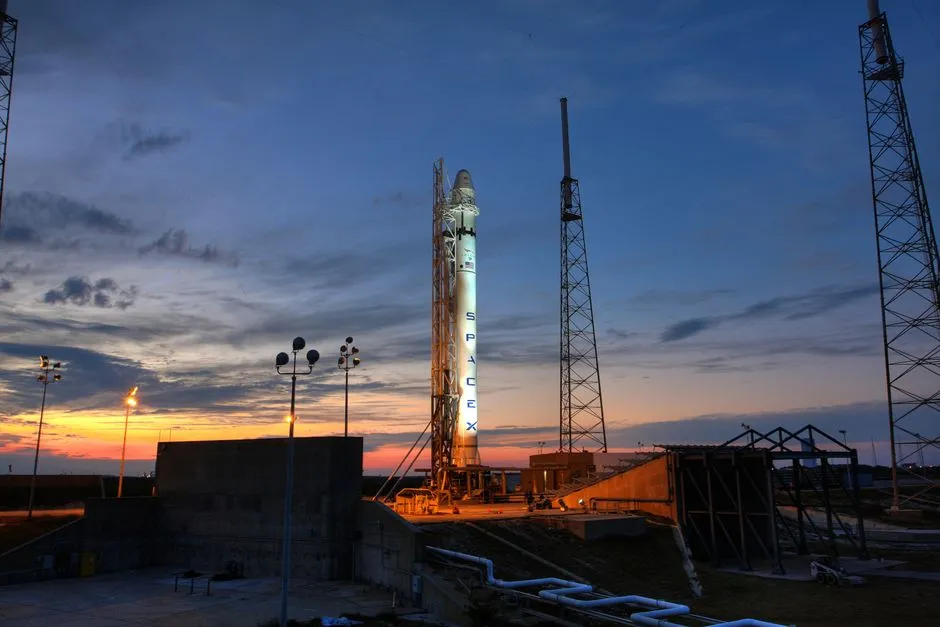
While government data practices dominate domestic headlines, the space industry continues to push boundaries at a breakneck pace. SpaceX recently experienced a high-profile setback when one of its rockets crashed into the Moon during a test mission. Though such incidents are unfortunately common in aerospace engineering, they draw intense public attention because of the high stakes involved. Lunar exploration is no longer a distant dream; it is a competitive, heavily funded race involving both private companies and national space agencies.
Learning from Failure in the Race to the Moon
Spaceflight has always been a discipline built on iterative failure and rapid adaptation. Every crash provides engineers with critical telemetry data that refines future designs. However, the public often views these setbacks through a different lens. As commercial spaceflight becomes more visible, there is growing pressure to balance ambitious timelines with rigorous safety standards. The crash also underscores the immense technical challenges of navigating the lunar environment, from thermal regulation to precision landing systems. While the setback may delay certain milestones, it ultimately reinforces the reality that returning humans to the Moon requires patience, precision, and a willingness to learn from every malfunction.
The Growing Backlash Against Artificial Intelligence
If there is a unifying thread between biometric surveillance and space exploration, it is the rapid acceleration of technology outpacing public readiness. Nowhere is this more evident than in the current conversation around artificial intelligence. After years of relentless hype, a noticeable shift has occurred. The initial excitement surrounding AI capabilities has given way to a more cautious, and often critical, public stance.
From Hype to Scrutiny
Several factors are fueling this growing skepticism. First, the proliferation of AI-generated content has made it increasingly difficult to distinguish between authentic media and synthetic fabrication, raising serious concerns about misinformation and digital trust. Second, workplace automation fears have intensified, with professionals across industries worrying about job displacement and the devaluation of creative labor. Finally, regulatory bodies and consumer advocacy groups are beginning to push back against opaque AI systems, demanding greater transparency, accountability, and ethical guardrails. The backlash is not a rejection of innovation itself, but rather a demand for responsible deployment. As AI integrates deeper into healthcare, education, and infrastructure, society is learning that technological advancement must be paired with robust oversight to prevent unintended consequences.
Navigating the Next Phase of Tech and Policy
These three developments may seem unrelated at first glance, but they all point to a single reality: technology is no longer developing in a vacuum. DNA collection practices force us to confront how governments handle personal data. Lunar mission failures remind us that exploration carries real risks that require careful management. And the AI backlash signals a cultural maturation, where public trust is earned through transparency rather than marketing. Moving forward, the conversation will need to shift from pure capability to accountability. Whether we are discussing civil liberties, aerospace engineering, or machine learning, the goal remains the same: ensuring that technological progress serves human interests rather than undermining them. The road ahead will require clearer regulations, more open development practices, and a public that remains actively engaged in shaping the tools that will define the next decade.
