


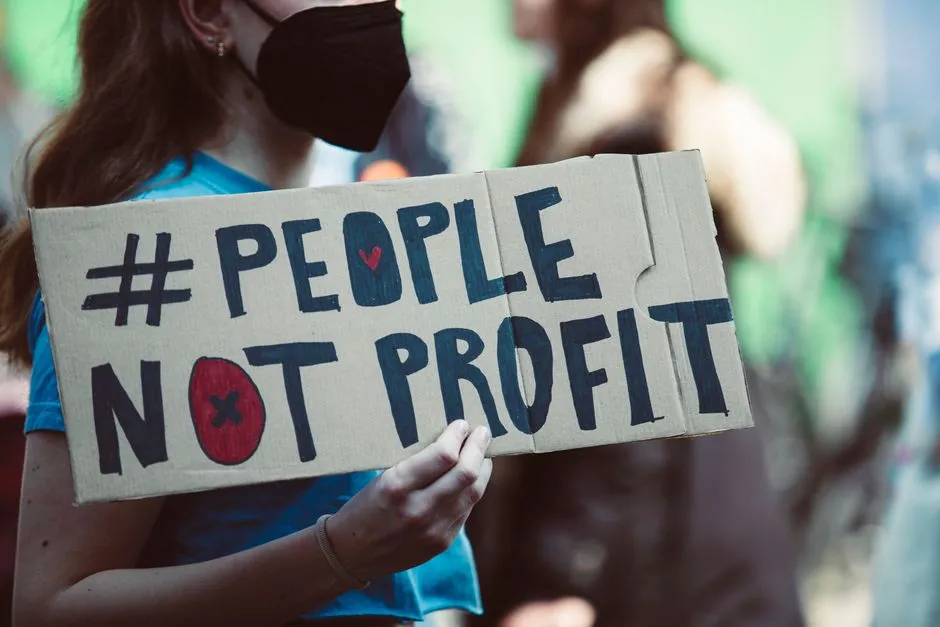
For decades, Senator Bernie Sanders has been a consistent, and often lonely, voice warning about the dangers of concentrated wealth and its corrosive effect on American democracy. While many dismissed his calls for economic justice as fringe idealism, the landscape of 2026 paints a very different picture. The frustration with Big Tech, billionaires, and the unchecked rise of artificial intelligence is no longer just a talking point for the political left; it is becoming a mainstream concern. As Sanders argues, the tipping point may finally be here.
The Decades-Old Warning That Was Ignored
Long before the public became wary of social media algorithms and the monopolistic power of tech giants, Sanders was sounding the alarm. He has consistently argued that an economy where a handful of billionaires control the commanding heights of industry is fundamentally incompatible with a healthy democracy. His focus has always been on the systemic problem: the merging of corporate and political power. This isn’t just about a few wealthy individuals; it’s about a system rigged to favor the top 0.1% at the expense of everyone else.
Now, that warning has more resonance than ever. The public is increasingly aware that a tiny group of individuals have not only amassed unprecedented wealth but also wield immense influence over our information, our economy, and even our elections. The old models of regulation and antitrust enforcement are struggling to keep pace with the speed and scale of modern technology.
The New Frontier: Big Tech, AI, and the Battle for Control
The conversation has evolved. It’s no longer just about the price of a prescription drug or the minimum wage. The new battleground is the digital world, and the weapon of choice is artificial intelligence. Sanders sees the rapid development of AI as a potential accelerant for inequality. Without strict guardrails and a clear public interest framework, AI could automate millions of jobs, concentrate even more power in the hands of a few corporations, and create new forms of social control.
This is why the senator is betting that the growing frustration with Big Tech is reaching a boiling point. People are tired of data breaches, manipulative algorithms, and the feeling of being a product rather than a customer. They are concerned about AI being used for mass surveillance, deepfakes, and biased decision-making. This anxiety is creating a unique political opening. As the public becomes more educated on these issues, the demand for accountability and transparency grows louder.
From Fringe to Mainstream: The Changing Political Winds
What was once considered a radical position is now being debated in the halls of Congress and on the campaign trail. The idea of breaking up monopolies, taxing the ultra-wealthy, and establishing a national AI safety commission is no longer the exclusive domain of progressive activists. The frustration is bipartisan. Voters from across the political spectrum are concerned about the power of companies like Meta, Google, and Amazon, and the influence of billionaires like Elon Musk and Jeff Bezos.
The conversation around artificial intelligence is particularly potent. The fear of job displacement, the spread of misinformation, and the ethical nightmares of autonomous systems are not abstract concepts. They are real and immediate. This creates a powerful narrative that Sanders and other like-minded politicians can leverage. The argument is simple: if the technology is going to change everything, then the people, through their government, must have a say in how it is used.
The Tipping Point: A Perfect Storm of Concerns
Several factors are converging to create this tipping point. First, there is a growing sense of economic insecurity. The wealth gap is widening, and many feel that the system is rigged against them. Second, there is a profound lack of trust in institutions, including both government and corporations. Third, the rapid pace of technological change is creating anxiety about the future. When you combine these elements, you get a population that is more receptive to bold, systemic change.
Senator Sanders is positioning himself as the voice of this frustration. He is not just offering criticism; he is offering a clear alternative. His platform includes a wealth tax, a major expansion of Social Security and Medicare, and a federal jobs guarantee. On the tech front, he advocates for breaking up monopolies, treating data as a public good, and ensuring that the benefits of AI are shared broadly. This is a comprehensive vision that challenges the very foundations of the modern economy.
A Critical Juncture for American Democracy
This moment is a critical test for American democracy. The decisions made in the next few years about how we regulate technology and manage economic inequality will shape the country for generations. The central question is whether the political system can respond to the scale of the challenge. Can we create a new social contract for the digital age? Or will we continue to allow a small, powerful elite to dictate the terms of our future?
The answer is far from certain. The tech industry has vast resources and a powerful lobbying machine. But the public’s patience is wearing thin. As Sanders argues, the frustration with Big Tech, billionaires, and unchecked AI is real and growing. The question is whether that frustration can be channeled into effective political action. The senator has been waiting for this moment for a long time. He believes the time for a fundamental reordering of our economy and society has finally arrived. Whether he is right will determine the future of the American experiment.
