


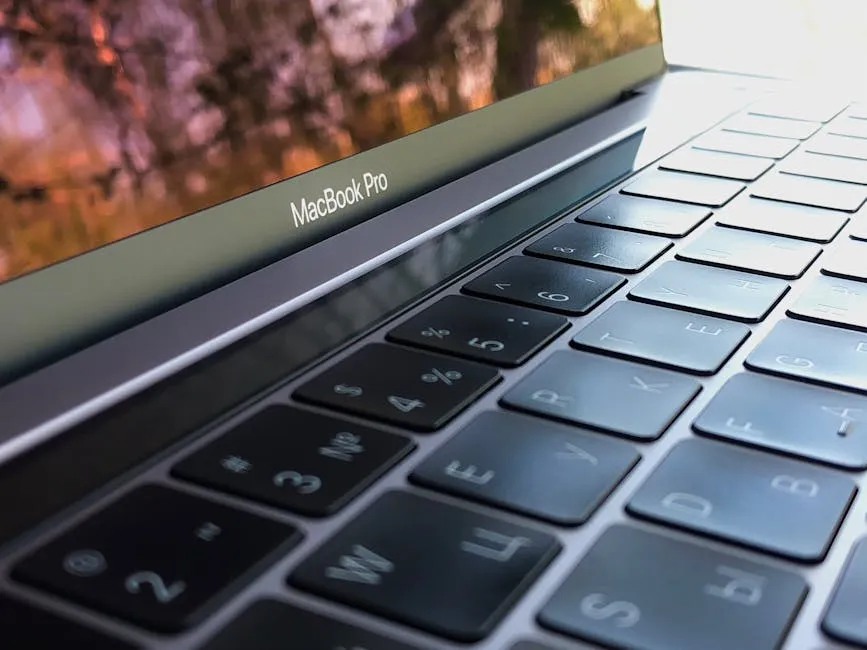
In the fast-paced world of technology, leadership changes often signal a major shift in direction. For Apple, one of the most valuable and influential companies on the planet, a transition in the CEO seat is always a significant moment. Recently, it was announced that John Ternus is stepping into the role of Apple’s CEO, marking a pivotal moment for the tech giant. What makes this appointment particularly noteworthy is Ternus’s background. He is not just a strategist or a marketer; he is, fundamentally, a hardware guy. This signals a potential rebalancing of Apple’s priorities, putting devices back at the very center of its business strategy.
Who is John Ternus?
To understand the significance of this leadership change, we first need to look at John Ternus’s career path. He has spent a long time within Apple’s infrastructure, rising through the ranks to become the Senior Vice President of Hardware Engineering. In this role, he oversaw the design and production of some of the company’s most iconic devices, including the iPhone, iPad, and Mac. His expertise lies in the intricate mechanics of manufacturing, supply chain management, and the physical integration of new technologies.
Unlike previous eras where the focus was heavily on software ecosystems and services, Ternus brings a deep understanding of the physical product. This background suggests that his leadership will prioritize the tactile experience of using a device, the build quality, and the innovation found in hardware architecture. In a market where many tech giants are pivoting towards software and subscriptions, Apple’s hardware-first approach under Ternus could set a new standard for the industry.
A Shift in Strategic Focus
Apple has historically walked a tightrope between hardware sales and revenue from its Services division. Over the last few years, services like the App Store, Apple Music, and iCloud have become massive revenue drivers, often outpacing the growth of the iPhone and Mac themselves. While this diversification is healthy for long-term stability, it means that the hardware business has sometimes been viewed as the foundation rather than the primary growth engine.
With Ternus at the helm, the narrative is shifting. By placing a hardware expert in charge, Apple is signaling that devices will once again be the primary focus. This doesn’t necessarily mean services will be ignored, as they remain crucial for subscription revenue. However, the emphasis will likely be on creating hardware that is so compelling that it drives the entire ecosystem. This could mean more aggressive innovation in processing power, battery life, and new form factors that competitors are currently struggling to match.
Hardware-First AI Integration
One of the biggest questions facing Apple is how to integrate Artificial Intelligence into its devices without compromising privacy or battery life. Ternus’s hardware background suggests a strategy of “on-device” processing. Rather than relying solely on massive cloud servers, Apple could leverage its custom silicon designs to run advanced AI models directly on the iPhone or Mac. This approach protects user data and creates a seamless experience that competitors using third-party chips cannot easily replicate.
This hardware-first AI strategy would allow Apple to lead in the next generation of intelligent computing. It ensures that features like Siri, camera processing, and predictive text remain integrated into the metal and glass of the device, rather than being dependent on an internet connection.
What Comes Next for Apple?
As Apple moves forward under John Ternus, the industry is watching closely for several key developments. We can expect to see a focus on supply chain resilience, potentially diversifying manufacturing locations beyond China to build a more robust global network. There may also be a push into new categories of hardware, such as augmented reality glasses or advanced wearables, areas where Apple has been quietly developing for years.
Furthermore, Ternus’s appointment suggests a renewed confidence in the power of physical devices. In an era where some consumers feel “tech fatigue” regarding new smartphone releases, bringing the hardware back to the center of the strategy could reignite excitement for Apple’s product launches. It implies that future releases will be driven by tangible improvements in performance and design rather than incremental software updates.
Conclusion
The appointment of John Ternus as Apple’s CEO is more than just a personnel change; it represents a strategic realignment. By prioritizing hardware, Apple aims to ensure that its devices remain the most powerful, secure, and innovative tools in the consumer market. As we move into 2026 and beyond, the focus will be on how this leadership transition reshapes the landscape of consumer electronics. For now, the message from Cupertino is clear: Apple is ready to build the future, one device at a time.
