


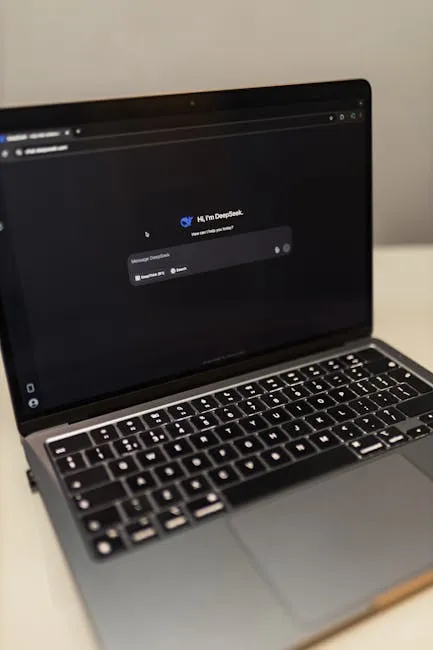
The Rise of the Digital Supervisor
Imagine walking into your office on Monday morning. Instead of shaking hands with a human manager or checking in with a person who assigns your daily tasks, you are greeted by a sophisticated digital interface. While this scenario might sound like a scene from a science fiction novel, recent data suggests it is becoming a reality that many Americans are surprisingly open to.
According to a new poll conducted by Quinnipiac University, 15% of Americans state they would be willing to work in a job where their direct supervisor is an artificial intelligence program. This AI entity would be responsible for assigning tasks, setting schedules, and managing workflow expectations. The findings highlight a significant shift in how the workforce views the role of technology in management, moving beyond simple automation to actual decision-making autonomy.
Understanding the Poll Results
The survey results from Quinnipiac University offer a fascinating glimpse into the evolving relationship between employees and technology. In the past, the idea of being managed by a machine might have triggered immediate rejection. However, the willingness to accept an AI boss indicates a changing mindset regarding efficiency and management styles.
The specific duties outlined in the poll are crucial. These AI supervisors would not just approve leave requests or send out emails; they would actively assign tasks and set schedules. This level of integration suggests that workers are considering the removal of human bias from the scheduling and task allocation process. For many, the promise of objective, data-driven management might outweigh the desire for human connection in the daily grind.
Why the Acceptance?
Several factors likely contribute to this openness. Firstly, AI systems do not experience fatigue, emotional outbursts, or personal biases that can sometimes cloud human judgment. An AI boss operates 24/7, ensuring that workflows never stop. Secondly, the administrative burden of managing schedules and tasks is often seen as tedious. If an AI can handle these logistics perfectly, employees might feel they can focus more on their actual creative or productive work.
Furthermore, the rise of remote work and digital collaboration tools has normalized the idea of managing digital interactions. When the primary interface for work is already digital, the transition to a digital supervisor feels less jarring than it would have a decade ago. The technology is simply becoming more integrated into the fabric of professional life.
The Concerns Behind the Numbers
While 15% is a notable percentage, it also means that the vast majority of Americans are not currently willing to hand over their management to an algorithm. This hesitation is understandable and rooted in fundamental human needs.
Empathy is one of the most critical aspects of human leadership. A manager notices when an employee is struggling with personal issues or needs extra support. An AI, no matter how advanced, can only process data. There is a fear that an AI boss might lead to a cold, impersonal work environment where mental health and well-being are secondary to efficiency metrics.
Additionally, accountability is a major concern. If an AI makes a mistake that costs the company revenue or damages a client relationship, who is responsible? Humans need to know who to blame and who to trust when things go wrong. This ambiguity can cause anxiety for employees who are still adapting to this new form of authority.
The Future of Work and Management
As we look toward the future, the line between human and AI management is likely to blur further. We are moving toward a hybrid model where AI handles the operational logistics, while human leaders focus on strategy and culture.
For businesses, this presents a unique opportunity to optimize operations without losing the human element entirely. Companies that can demonstrate how AI enhances employee satisfaction rather than replacing human connection will likely see the highest adoption rates. The goal is not to replace managers, but to augment them with tools that make their lives easier.
The poll serves as a wake-up call for HR professionals and business leaders. It suggests that the workforce is ready for innovation but demands transparency. Employees want to know how decisions are made and how their data is used. Building trust with AI tools is as important as implementing the technology itself.
Conclusion
The Quinnipiac University poll reveals that the workforce is not entirely resistant to the idea of an AI boss. While the number is not a majority, the willingness to work under AI supervision is a significant trend to watch. It reflects a society that is increasingly comfortable with technology taking on complex roles previously reserved for humans.
As artificial intelligence continues to evolve, the question will shift from “if” we will use AI managers to “how” we will integrate them responsibly. The next few years will define whether AI becomes a supportive partner in the workplace or a source of division. For now, the conversation is just beginning, and the answers will shape the future of employment for a generation.
