


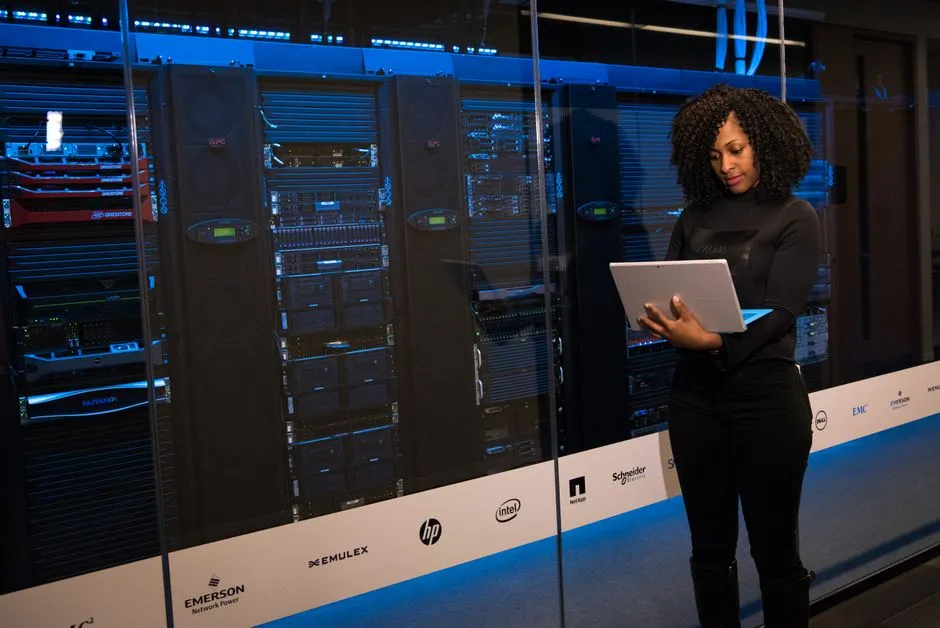
In a developing story that highlights the ongoing tension between corporate policy and employee free speech, three Amazon software engineers have reportedly been placed under internal investigation. The employees, who work on Amazon Web Services (AWS), are accused of violating company policy by speaking publicly about the tech giant’s data center operations.
According to a report from Wired, the engineers have filed a formal complaint with Seattle’s civil rights office. They allege that Amazon is illegally retaliating against them for expressing their personal political beliefs regarding the company’s data center expansion and its environmental and social impact.
The Core of the Conflict
The situation appears to stem from the employees’ public criticism of Amazon’s data center projects. While the specific details of their statements have not been fully disclosed, the engineers claim they were exercising their right to speak on matters of public concern. They argue that their comments were based on their personal views and were not intended to represent the company’s official stance.
This case touches on a critical question for many large tech companies: where is the line between an employee’s personal expression and a violation of internal communication policies? For Amazon, a company that has historically maintained strict guidelines around employee public statements, this incident is not an isolated one. It reflects a broader pattern of friction between the workforce and management over issues ranging from working conditions to the company’s role in climate change.
Retaliation or Policy Enforcement?
The engineers’ complaint to the Seattle Office for Civil Rights argues that the internal investigation is a form of illegal retaliation. They contend that their speech was protected under local and state laws, which safeguard employees from punishment for engaging in political activities or expressing political opinions outside of work.
Amazon, on its part, has generally maintained that it respects the rights of employees to express their views but expects them to adhere to policies that prevent the disclosure of confidential business information or the creation of a hostile work environment. The company has not yet issued a detailed public statement regarding this specific case, but the investigation itself suggests that the company believes the employees may have crossed a line.
The Broader Implications for Tech Workers
This incident is likely to resonate with many tech professionals who are increasingly vocal about the social and environmental consequences of their work. From data center energy consumption to the ethical use of artificial intelligence, workers in the tech sector are becoming more willing to speak out, even when it puts them at odds with their employers.
The outcome of this complaint could set a significant precedent. If the Seattle civil rights office finds in favor of the engineers, it could reinforce the legal protections available to workers who speak on matters of public interest. Conversely, if the investigation is deemed lawful, it may embolden companies to tighten their grip on employee communication.
Data Centers: A Growing Point of Contention
Amazon’s data centers are a cornerstone of the modern internet, powering everything from streaming services to cloud computing for businesses and governments. However, their massive scale comes with significant environmental costs, including high energy consumption and water usage for cooling. These issues have made data centers a frequent target for criticism from environmental activists and, increasingly, from the employees who build and maintain them.
The engineers’ concerns likely touch on these very issues. By speaking out, they are participating in a larger, ongoing debate about the sustainability of the tech industry’s infrastructure. For Amazon, which has pledged to reach net-zero carbon emissions by 2040, these internal criticisms can be particularly uncomfortable, as they highlight a gap between corporate promises and on-the-ground reality.
What Happens Next?
The case now rests with the Seattle Office for Civil Rights, which will investigate the allegations of retaliation. This process could take months, and it may involve interviews with both the employees and Amazon management. Depending on the findings, the office could mediate a settlement or issue a finding that could lead to legal action.
For the three engineers, the immediate future is uncertain. Being under internal investigation can be a stressful and isolating experience, particularly when it involves a company as large and powerful as Amazon. Regardless of the outcome, their case has already drawn attention to the challenges that employees face when they choose to speak their minds.
Conclusion
The story of these three Amazon workers is more than just a corporate dispute. It is a snapshot of a moment when the tech industry is being forced to reckon with its own internal contradictions. Employees are demanding a seat at the table when it comes to decisions that affect the planet and society, and companies are struggling to manage those demands without disrupting their operations. As this case unfolds, it will serve as a valuable test case for the limits of employee speech in the modern tech workplace. The final resolution, whatever it may be, will likely be watched closely by workers and executives across the industry.
