


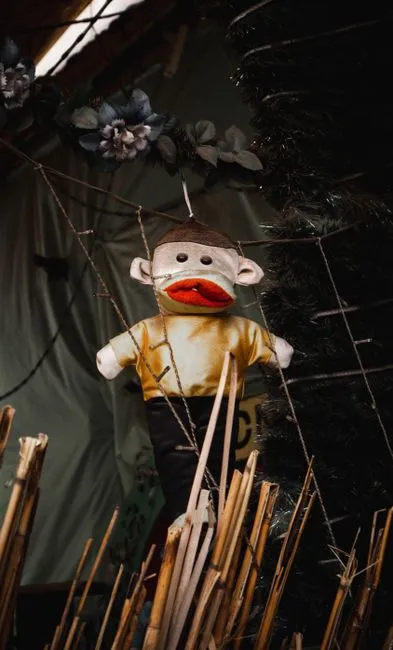
There is something delightfully jarring about receiving urgent life advice from a puppet. It’s an unexpected combination of absurdity and wisdom that cuts straight through the noise of the modern digital landscape. In a recent episode of The Big Interview podcast, WIRED’s senior culture editor Manisha Krishnan sat down with Gowanus, a character who has become the unlikely voice of a growing movement: the “Summer of Ludd.” The conversation isn’t just a quirky chat; it’s a pointed critique of our relationship with technology, touching on everything from the suffocating grip of Big Tech to the psychological toll of dating apps.
The Puppet’s Warning: Put Down the Phone
The title of the discussion, “This Luddite Puppet Hopes You’re Not Reading This on Your Smartphone,” sets the stage for a message that is as meta as it is important. Gowanus represents a frustration that many of us feel but rarely voice aloud. We are constantly tethered to devices that promise connection but often deliver anxiety. The puppet’s persona allows for a satirical yet serious examination of how we’ve handed over our attention, our privacy, and our autonomy to a handful of tech giants.
Eschewing Big Tech isn’t about living in a cave; it’s about reclaiming agency. The interview highlights the need to step back from the algorithms that curate our reality. When we allow these platforms to dictate our news, our shopping habits, and even our social interactions, we lose the ability to think independently. Gowanus advocates for a digital minimalism that prioritizes human experience over engagement metrics. It’s a call to question every app on your home screen: does this add value to your life, or is it just feeding the data economy?
Rejection in the Age of Dating Apps
One of the most compelling segments of the conversation revolves around the modern dating landscape. Dating apps have gamified romance, turning potential partners into a endless stream of swipes. While these platforms offer convenience, they have also created a culture of disposable interactions and a deep-seated fear of rejection. We swipe left to avoid the vulnerability of a “no,” and we swipe right with the hope of a frictionless connection.
Gowanus challenges this dynamic by arguing for the necessity of rejection. In the real world, rejection is a fundamental part of human interaction. It teaches us resilience, helps us understand our boundaries, and often leads us to better matches. By sanitizing the dating process through screens, we rob ourselves of the awkward, messy, and ultimately rewarding moments of genuine human connection. The puppet’s perspective suggests that we need to embrace the risk of rejection to rediscover what it means to truly connect with another person, flaws and all.
The Radical Act of Going Outside
Amidst the critique of digital culture, there is a simple, almost radical suggestion: go outside. This isn’t about capturing the perfect photo for social media; it’s about experiencing the world without the filter of a lens. The “Summer of Ludd” encourages unstructured time in the physical world. It’s about feeling the sun on your face, getting lost in a conversation without checking your watch, and allowing your mind to wander without the constant ping of notifications.
Going outside is a form of resistance against the attention economy. It forces us to engage with our immediate environment and our own thoughts. In a world that rewards constant productivity and online presence, doing nothing but existing in the real world can feel rebellious. Gowanus reminds us that life happens offline, and the richness of our experiences is often found in the moments we aren’t documenting them.
Embracing the Luddite Spirit
The term “Luddite” has evolved from its historical roots. Today, it doesn’t mean smashing machines; it means using technology intentionally. It’s about setting boundaries, curating your digital intake, and recognizing when a tool is becoming a master. The conversation with Gowanus serves as a timely reminder that we have choices. We can choose to delete the apps that drain our energy, we can choose to have difficult conversations in person, and we can choose to spend our summers exploring the world rather than scrolling through it.
As you finish reading this, consider the device in your hand. It’s a powerful tool, but it shouldn’t be the lens through which you view every moment of your life. Take a page from the Luddite puppet: step away from the screen, go outside, and embrace the beautiful, uncurated reality of being human.
