


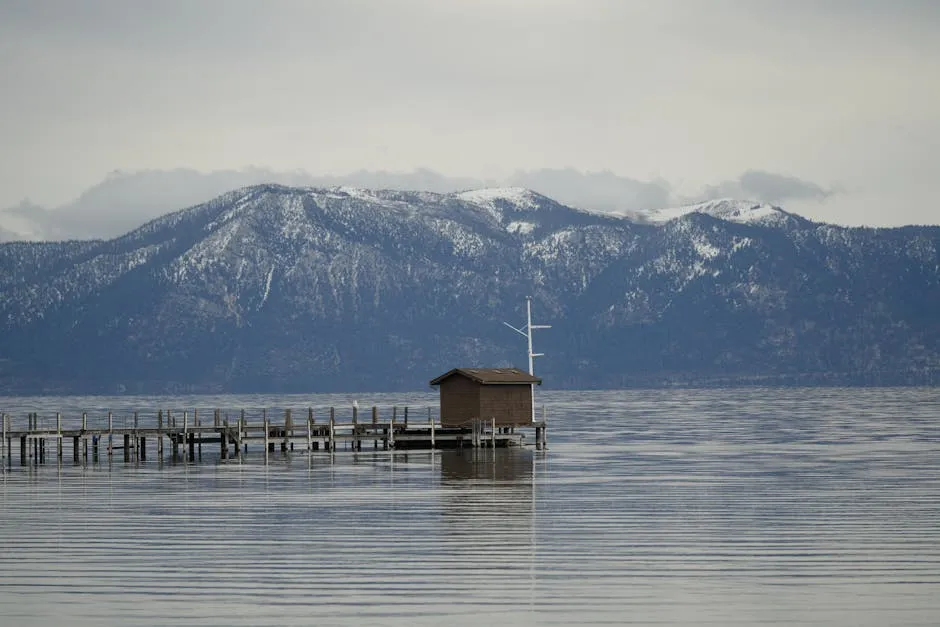
For many tech enthusiasts and remote workers, Lake Tahoe represents the perfect escape from the grind of Silicon Valley. It is a place known for crisp mountain air, stunning lake views, and a slower pace of life. However, a quiet but significant crisis is brewing in the region that threatens to disrupt this idyllic retreat. As the artificial intelligence revolution accelerates, the demand for electricity is skyrocketing, and the cost is being passed down to residential consumers and vacationers alike.
The Hidden Cost of Artificial Intelligence
It is easy to view artificial intelligence as a purely software-driven innovation, but the reality is that AI runs on massive amounts of hardware. The industry is currently in an AI arms race, with companies building ever-larger data centers to train models and support inference tasks. These facilities are power-hungry machines. They require not just electricity to run the servers, but immense cooling systems to manage the heat generated by high-performance computing clusters.
This surge in demand is outpacing the generation capacity of many regions, including the West Coast of the United States. When a single data center comes online, it can consume as much power as a small city. As more of these facilities are proposed or built near population centers or existing energy infrastructure, the grid becomes strained. The result is a ripple effect that inevitably impacts the average household.
Why Lake Tahoe Is on the Frontline
Lake Tahoe is not just any vacation spot; it is a high-value real estate area that attracts significant investment. The region relies heavily on the state’s power grid to maintain its infrastructure, including homes, resorts, and remote work setups. However, as energy providers prioritize supply for massive industrial projects like data centers, residential rates tend to climb.
Local utilities are facing a difficult choice. They must balance the needs of the booming tech sector driving the AI economy with the needs of the residents who have lived in the area for generations. When the supply of clean, reliable electricity is stretched thin by new demand, the price tag for consumers rises. For a vacation spot, this is particularly frustrating because the primary draw is the ability to enjoy the outdoors without the stress of high living costs.
The Need for a New Energy Solution
The situation calls for a rethinking of how energy is distributed in these high-demand regions. The current model, where large-scale industrial consumption crowds out residential needs, is unsustainable. There is an urgent need for innovative energy providers who can step into the gap.
- Distributed Energy Resources: Moving away from reliance on massive centralized power plants toward localized solutions can help stabilize the grid for residential areas.
- Renewable Integration: Investing heavily in solar and wind infrastructure specifically for residential and commercial hybrid use can mitigate the volatility of energy costs.
- Grid Modernization: Upgrading the aging infrastructure in places like Lake Tahoe to handle variable loads more efficiently is critical.
Without intervention, the vacationland we know could become a battleground for energy access. If AI continues to drive prices up without a shift in infrastructure or provider models, the area risks losing its appeal to both tourists and remote workers who are drawn to the region for its quality of life.
Looking Ahead
As the AI industry grows, so does the pressure on the energy grid. The solution lies not just in building more power plants, but in smarter management and new partnerships between utilities, tech companies, and local communities. The future of Silicon Valley’s favorite getaway depends on finding a balance between innovation and accessibility.
For now, residents and visitors should be aware that the convenience of digital life comes with a physical cost. As we look toward the future of energy, it is essential that we ensure the benefits of the AI revolution do not come at the expense of the very places we rely on to recharge and reset.
