


The Unexpected Legal Battle Between OpenAI and Apple
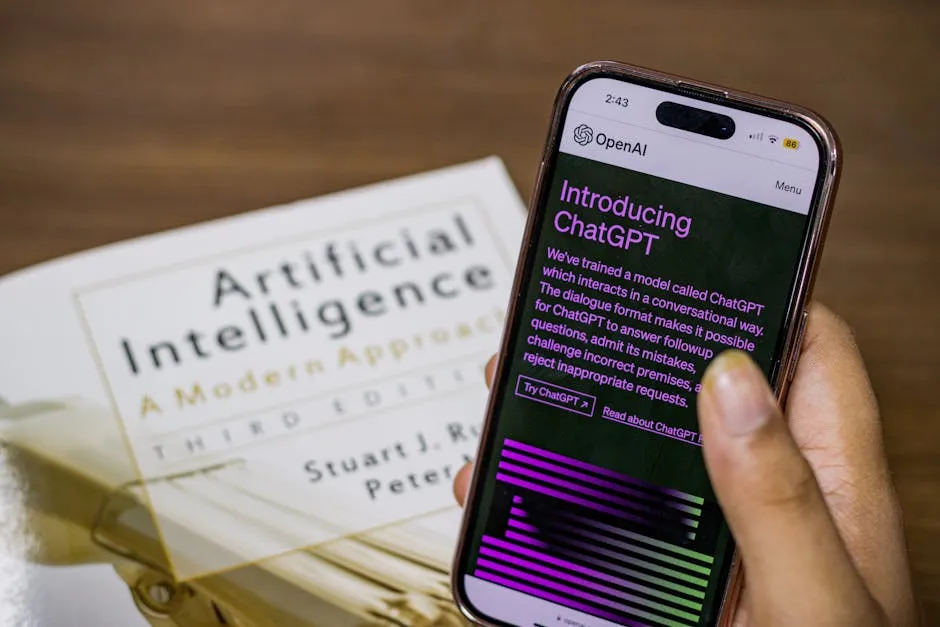
In the fast-moving world of technology, few partnerships are as high-profile as the alliance between OpenAI and Apple. However, recent reports suggest that this relationship is reaching a breaking point. According to new information, OpenAI is reportedly preparing legal action against Apple. The friction stems from a ChatGPT integration on the iPhone that failed to deliver the subscriber numbers and market prominence that the company had hoped for. This situation highlights the volatile nature of tech partnerships and the high stakes involved when major platforms integrate artificial intelligence.
Why OpenAI Is Frustrated
For tech companies, integration is often seen as a golden ticket. When Apple, a leader in hardware and software, brings a third-party AI service directly into its ecosystem, it usually drives massive adoption. In this case, OpenAI expected the iPhone integration to act as a gateway, funneling millions of new users to their platform. Instead, the results did not meet expectations.
The core of the issue lies in the discrepancy between projected growth and actual performance. OpenAI likely anticipated that the seamless integration would convert a significant portion of iPhone users into paying subscribers. When the numbers fell short of these projections, the financial implications became difficult to ignore. This is not merely a difference of opinion; it is a business model that is under stress. For a company relying on subscription revenue, a failed integration can be financially devastating.
The High Cost of Partnership Expectations
When a company like OpenAI agrees to integrate with a platform like Apple, there are often unwritten expectations regarding visibility and user conversion rates. If Apple prioritizes its own AI models or restricts the prominence of third-party offerings, the value of the partnership diminishes. This scenario is not unique to this specific case, but the scale of the companies involved makes it particularly noteworthy. The failure to deliver on these expectations has pushed OpenAI to consider legal avenues to protect their investment.
Legal Action: What Does It Mean?
The idea of a lawsuit between two tech giants is nothing new. We have seen similar disputes over patent infringement, intellectual property rights, and antitrust violations. However, a conflict specifically over the terms of a partnership and the performance of a product integration is a different beast. It suggests that the contract or the verbal agreements reached during the partnership were not sufficient to protect OpenAI’s interests.
Legal action could take several forms. OpenAI might be seeking damages for the lost opportunity cost, or they could be threatening to pull the integration entirely. Either way, the threat of litigation sends a strong message to other developers considering Apple partnerships. It implies that the terms of engagement need to be much clearer regarding performance metrics and visibility.
Wouldn’t be the first partner to feel burned
The source material notes that this scenario is not unprecedented. It wouldn’t be the first partner to feel burned by a major platform. Tech ecosystems are built on complex web of dependencies. Sometimes, the platform holder holds too much power, leaving developers vulnerable. This dynamic is often referred to as the “walled garden” problem. In this context, Apple’s dominance means that partners must align closely with Apple’s vision, which can sometimes come at the expense of the partner’s specific goals.
Implications for the AI Industry
If this lawsuit moves forward, it could reshape how AI companies approach major platform integrations. Developers might demand stricter clauses in their contracts to ensure guaranteed visibility or revenue shares. It could also lead to a backlash from smaller developers who feel that major platforms like Apple are not providing fair opportunities for third-party AI models.
Furthermore, this dispute highlights the increasing maturity of the AI market. Companies are no longer willing to overlook unfair terms just to access a large user base. They are asserting their rights to their intellectual property and their brand. As AI becomes more central to daily life, the business models surrounding it must become more equitable. Otherwise, we risk seeing a fragmentation where only the biggest players can afford to lose money on integrations.
Conclusion: A Test of Industry Standards
As OpenAI weighs its options, the entire tech industry is watching. The decision to sue Apple over a ChatGPT integration failure is a significant moment. It underscores the reality that partnerships are not always smooth sailing. While the integration of AI into iPhones represents a massive opportunity, it also carries significant risk for the developer.
For now, the situation remains in flux, but the message is clear. In the world of high-stakes technology, business deals require absolute clarity on expectations. If OpenAI proceeds with legal action, it will set a precedent that could change how tech giants collaborate in the future. Until then, the tension between hardware giants and AI innovators remains a critical topic for anyone following the industry.
