


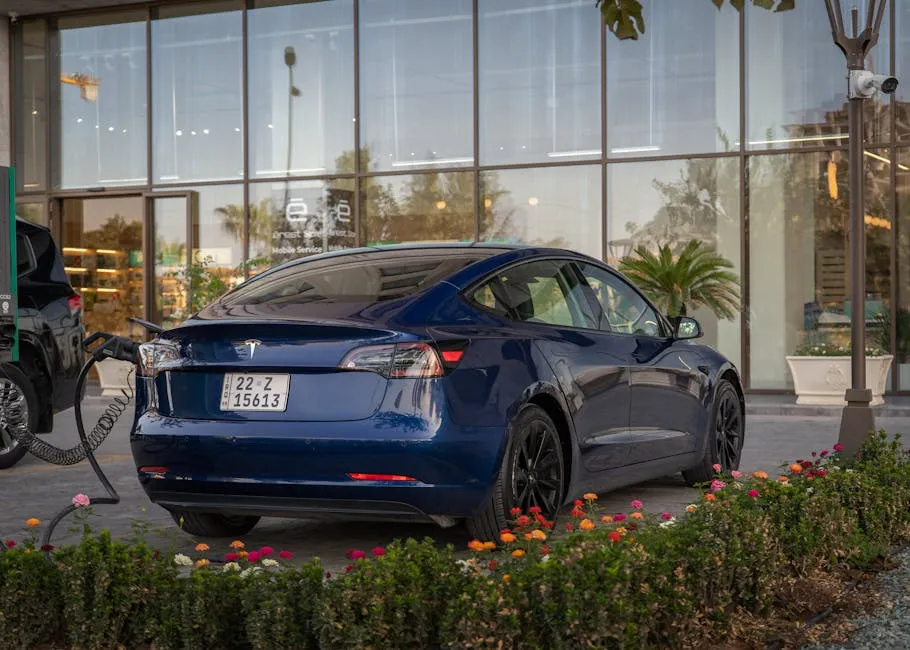
In the fast-paced world of technology and automotive innovation, few moves are as significant as a major shift in capital expenditure. Recently, Tesla has announced a substantial change to its financial roadmap, signaling a massive increase in spending that is set to reshape the landscape for the coming year. The company has planned a capital expenditure (capex) for 2026 that stands at $25 billion. To put this into perspective, this figure is roughly three times higher than what the company has historically spent on capital improvements. This decision not only impacts the company’s immediate financial health but also signals a bold strategic direction for the future of electric mobility and manufacturing.
The Implications of a Threefold Increase
The decision to triple capital spending is not a small adjustment. Historically, Tesla maintained a leaner approach to spending, balancing growth with profitability. However, the current market demands rapid scaling, and the CFO has indicated that this aggressive spending will likely result in negative free cash flow for the remainder of the year. For investors and financial analysts, this is a critical pivot point. It suggests that the company is prioritizing long-term market dominance and infrastructure expansion over short-term cash reserves.
When a company chooses to burn cash at this rate, it usually means they see a significant return on investment on the horizon. In Tesla’s case, this investment is likely tied to expanding production capabilities, upgrading manufacturing lines, and potentially accelerating their autonomous driving and robotics initiatives. This aggressive stance reflects a high-confidence strategy where the leadership believes the market is ready for even more aggressive deployment of their technology and products.
Where Is the Money Going?
Understanding where the capital is being allocated helps clarify the company’s priorities. While specific internal reports are often proprietary, the nature of such massive expenditures in the tech and automotive sectors generally points to several key areas:
- Gigafactory Expansion: Building or upgrading manufacturing facilities to increase output and meet rising global demand for electric vehicles (EVs).
- Infrastructure Development: Investing heavily in the Supercharger network and energy storage solutions to support the growing EV ecosystem.
- Research and Development: Enhancing AI capabilities for autonomous driving, alongside robotics development such as the Optimus humanoid robot.
- Supply Chain Optimization: Securing raw materials and improving the supply chain resilience against global disruptions.
Each of these areas is critical for maintaining a competitive edge. As the automotive industry undergoes a massive transition, Tesla cannot afford to fall behind in manufacturing efficiency. The $25 billion investment is essentially a wager on the future of transportation, betting that the technology they are building will define the next decade of industrial mobility.
Short-Term Pain for Long-Tterm Gain?
It is important to acknowledge the trade-off here. Negative free cash flow sounds alarming, but it is a known phenomenon during periods of rapid scaling. The goal is to build the infrastructure necessary to sustain growth as the market matures. If Tesla successfully integrates these new capabilities and captures market share, the investment will eventually pay off in the form of higher margins and increased volume.
However, this strategy carries risks. If the demand does not match the supply capacity, or if competitors like Rivian, Ford, or legacy automakers make similar moves, the pressure to maintain profitability could intensify. Investors are watching closely to see how the company manages this balance. The management team will need to demonstrate that this spending is not just vanity, but a calculated move to secure the company’s position as a leader in the electrification of the world.
What This Means for the Industry
Tesla’s spending plan sets a benchmark for the broader industry. When a market leader increases spending this drastically, it often forces competitors to rethink their own strategies. It highlights the intense competition in the EV space, where margins are shrinking, and scaling is becoming more critical than ever. The technology sector is evolving rapidly, with manufacturing innovation becoming a key differentiator. Companies that can innovate their production processes will likely survive and thrive, while those that cannot may face existential threats.
For technology enthusiasts and investors, this news underscores the volatility and high stakes of the current market. It also highlights the shift towards capital-intensive growth models in the tech and automotive sectors. As we move further into 2026, keeping an eye on these financial metrics will be essential for understanding the trajectory of the electric vehicle revolution.
In conclusion, Tesla’s decision to increase its capital expenditure to $25 billion is a clear statement of intent. The company is willing to absorb short-term financial strain to secure its long-term dominance. While the negative cash flow is a concern, the strategic reasoning behind expanding manufacturing and infrastructure remains sound if executed correctly. As the industry continues to evolve, this move by Tesla will likely serve as a case study for how to balance aggressive growth with fiscal responsibility in the high-tech automotive world.
