


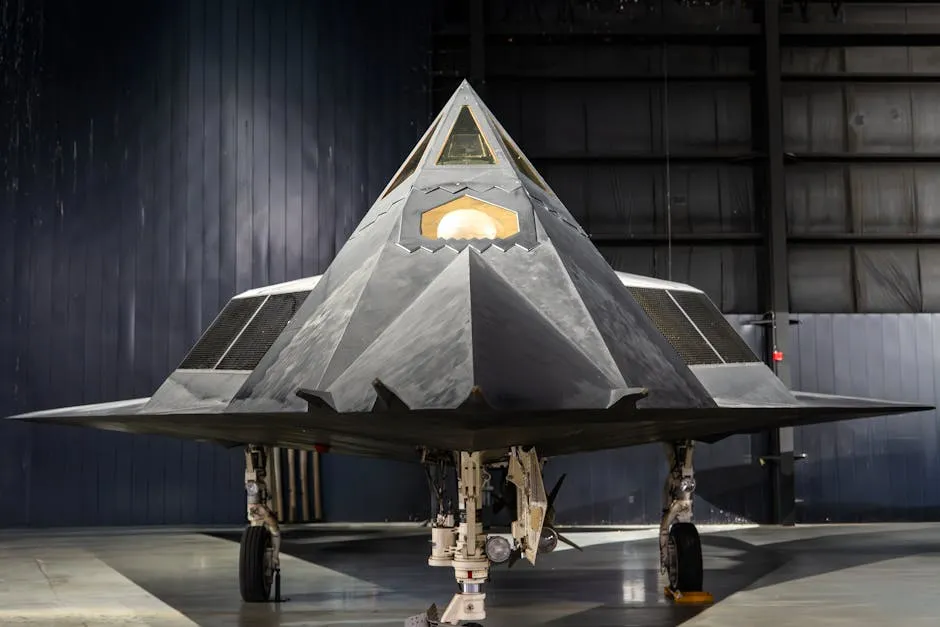
A Major Shift in Defense Procurement
The relationship between cutting-edge artificial intelligence companies and the U.S. government is entering a new, more scrutinized phase. Recent reports indicate the Pentagon is taking steps to formally designate AI lab Anthropic as a potential supply chain risk. This move, if finalized, would have profound implications, effectively barring the Department of Defense from procuring or using Anthropic’s technology due to perceived security concerns.
While the specific reasons behind the potential designation are often classified, such actions typically stem from fears about foreign influence, data security vulnerabilities, or the reliability of a company’s infrastructure and ownership structure. For a company like Anthropic, which has positioned itself at the forefront of developing safe and reliable AI, this represents a significant reputational and commercial challenge.
What Does a “Supply Chain Risk” Designation Mean?
In practical terms, a designation under the Pentagon’s supply chain risk management framework is a serious matter. It signals that the department believes doing business with the company could jeopardize national security. The result is a stark prohibition: no new contracts, and a mandate to unwind existing business relationships.
The sentiment was captured bluntly in a reported internal communication, with a senior official stating, “We don’t need it, we don’t want it, and will not do business with them again.” This hardline stance underscores the zero-tolerance approach the defense establishment is taking towards potential vulnerabilities in its technological foundation.
The Broader Context for AI and National Security
This action against Anthropic is not happening in a vacuum. It reflects a growing and urgent focus within the U.S. government on securing the AI supply chain. As AI becomes increasingly integrated into defense systems—from intelligence analysis and logistics to autonomous systems and cyber warfare—ensuring these tools are secure, trustworthy, and free from foreign interference is paramount.
The Pentagon’s move highlights a critical tension in the tech world: the breakneck pace of AI innovation versus the deliberate, security-focused processes of government procurement and risk assessment. Companies that operate with significant venture capital from diverse global sources or that rely on cloud infrastructure with complex ownership can find themselves under the microscope.
Implications for the AI Industry
For the broader AI industry, the Pentagon’s scrutiny of Anthropic serves as a clear warning. As AI models become more powerful and ubiquitous, their developers will face increasing regulatory and security oversight, especially if they wish to engage with government or critical infrastructure sectors.
- Increased Due Diligence: AI firms may need to proactively audit their funding, data governance, and infrastructure partnerships to assure government clients of their security.
- Market Fragmentation: A divide could emerge between AI companies built specifically for government compliance and those operating in the commercial sphere.
- Focus on Sovereignty: This may accelerate initiatives to develop fully domestic, “sovereign” AI capabilities within trusted national frameworks.
The coming months will be crucial in seeing how this situation develops and whether it sets a precedent for how the U.S. government vets and interacts with leading AI technology providers. One thing is certain: the era of AI as a purely commercial technology is over. It is now firmly a matter of national security.
