


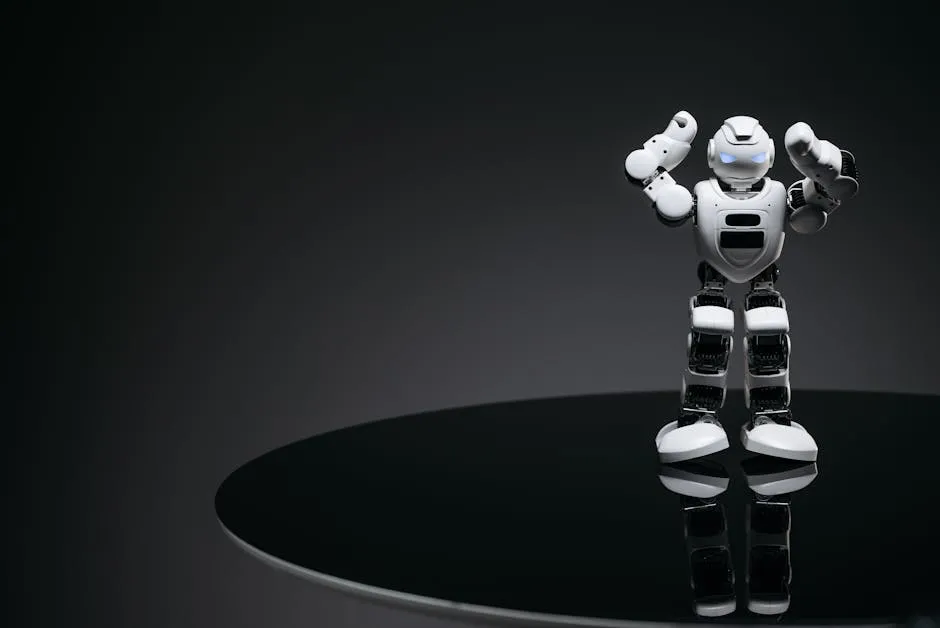
The dream of robots that can learn and adapt to new tasks on their own just took a significant step forward. 1X, the company behind the Neo humanoid robot, has released a new “world model” designed to give its machines a fundamental understanding of their environment, paving the way for more autonomous learning.
What is a World Model?
In the context of robotics and artificial intelligence, a world model is a system that allows an AI to predict the outcomes of its actions. It’s a kind of internal simulation or understanding of how the world works. For a robot, this means being able to anticipate what will happen if it picks up a cup, pushes a button, or opens a door, without having to physically try it first. This predictive capability is a cornerstone of advanced reasoning and planning.
1X’s release of this model represents a move away from purely scripted or heavily supervised robot training. Instead of being painstakingly programmed for every single scenario, a robot equipped with a robust world model can begin to teach itself by observing, interacting, and learning from the consequences of its actions.
Why This Matters for the Future of Robotics
The development of effective world models is often seen as a critical pathway toward more general-purpose robots. Currently, many industrial robots excel at repetitive, precise tasks in controlled environments. The challenge has been creating machines that can handle the unpredictability of the real world—like a home, a warehouse, or a construction site.
By building a foundational understanding of physics and object interaction, 1X’s robots could potentially learn new chores, assist in complex manual tasks, or navigate unfamiliar spaces with minimal human intervention. The company states this new model is “a solid step toward its robots being able to teach themselves new tasks,” suggesting a future where robots are not just tools, but adaptive learners.
The Road Ahead for 1X and Humanoid AI
This announcement places 1X firmly in the ongoing race to develop capable, learning-enabled humanoid robots. While the release of the world model is a software and research milestone, the true test will be its integration and performance on physical platforms like the Neo robot.
Key questions remain: How accurately can the model simulate complex real-world interactions? How quickly can a robot translate this internal understanding into successful physical actions? The answers will determine how soon we see robots that can genuinely learn from what they see and autonomously expand their skill sets.
For now, 1X’s move signals a important shift in robotics development, emphasizing the creation of foundational AI intelligence that can be applied across countless situations, bringing us closer to a future where robots are truly flexible partners in work and daily life.
