


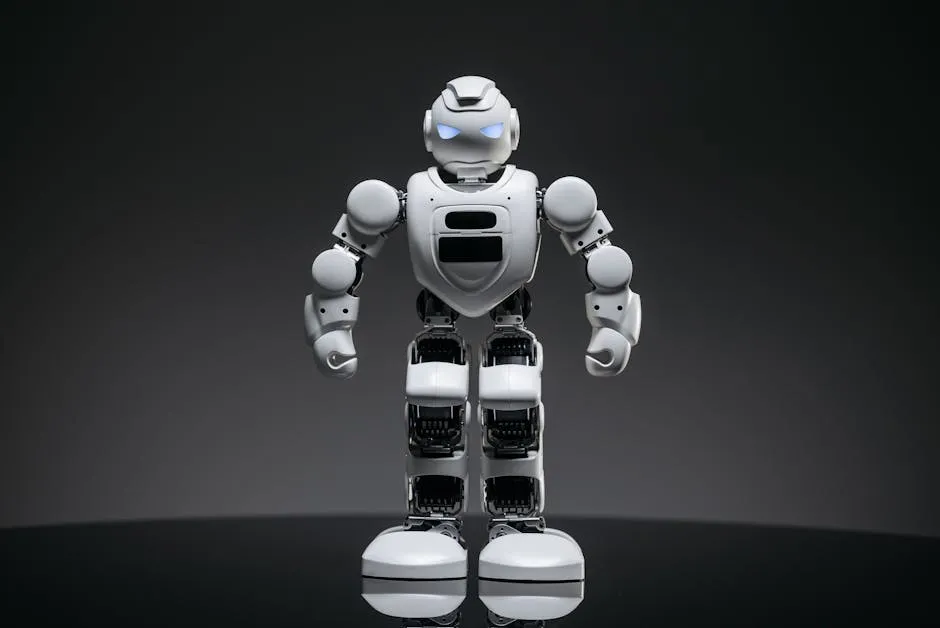
1X Expands Horizons: From Home Humanoids to Industrial Robotics
In the ever-evolving world of technology, the boundaries of innovation are continually pushed, and one company leading this charge is 1X. Initially launched as a humanoid robot to assist consumers in their homes, the company’s Neo robots are now set to make their mark in the industrial sector. This shift underscores a growing trend towards integrating advanced robotics into various fields, particularly in factories and warehouses.
From Home Helpers to Industrial Powerhouses
1X originally designed its Neo humanoids with the intention of enhancing everyday life for consumers. These robots were envisioned as companions that could assist with household chores, providing a glimpse into a future where technology simplifies domestic tasks. However, as industries seek greater efficiency and automation, 1X has recognized a significant opportunity to adapt its technology for more demanding environments.
The recent partnership forged by 1X to deploy its humanoid robots in factories and warehouses marks a pivotal transition. This move not only broadens the scope of the robots’ functionalities but also highlights the versatility of humanoid technology. The Neo robots are now poised to assist with tasks such as inventory management, logistical support, and even quality control, thereby enhancing operational efficiency.
Why Humanoids for Industry?
The decision to repurpose humanoid robots for industrial use is not just about novelty; it’s grounded in practical benefits. Humanoids can navigate complex environments much like humans, making them adept at performing tasks that require dexterity and adaptability. Their ability to interact with existing infrastructure and tools means they can be integrated into workflows without the need for extensive changes to current systems.
Furthermore, as industries face labor shortages and increasing demands, humanoid robots present a solution that not only fills gaps but enhances productivity. They offer the potential for 24/7 operation, reducing downtime and maximizing output.
Looking Ahead: The Future of Robotics
The move by 1X into the industrial sector is indicative of a broader trend in robotics. Companies across various industries are recognizing the value of automation and the role that advanced humanoid robots can play in meeting their operational needs. As AI technology continues to advance, we can expect to see even more sophisticated applications of humanoid robots in diverse environments.
As 1X embarks on this new journey, the implications for the future are exciting. The integration of humanoids into industrial settings not only signifies a technological evolution but also opens doors for reimagining the way factories and warehouses operate. With continued innovation, the potential for humanoid robots to enhance both domestic and industrial life seems limitless.
In conclusion, 1X’s pivot from home assistance to industrial applications illustrates the adaptability and potential of humanoid robots. As they step into factories and warehouses, these robots could redefine efficiency and productivity in the industrial landscape, paving the way for a future where humans and robots work side by side.
