

Close Menu

    Subscribe to Updates

    Get the latest creative news from FooBar about art, design and business.

    What's Hot

    AI Race Moves Beneath the Models: Chips, Infrastructure, Security, and Trust in 2026

    August 23, 2026

    AI in Supply Chain Optimization: Building Smarter, More Resilient Operations

    August 23, 2026

    AI Wonderland Weekly 24 July 2026: Why the Next AI Battle Is About Chips, Infrastructure, and Trust

    August 22, 2026
    Facebook X (Twitter) Instagram
    • AI tools
    • Editor’s Picks
    Facebook X (Twitter) Instagram Pinterest Vimeo
    AI PowerssAI Powerss
    • Home
    • AI

      Scaling AI Agents Starts With Trustworthy Data

      August 14, 2026

      Beyond the Glitz: Why the Most Important AI Is the “Unsexy” Kind

      August 13, 2026

      Why AI Agents Sometimes Lie and Cheat to Achieve Their Goals

      August 13, 2026

      Beyond the Transformer: How Startups Are Redefining the Future of Large Language Models

      August 13, 2026

      How AI Prompt Engineering Exposed a Critical Zoom Screen-Sharing Vulnerability

      August 12, 2026
    • Tech
    • Marketing
      • Email Marketing
      • SEO
    • Featured Reviews
    • Contact
    Subscribe
    AI PowerssAI Powerss
    Home»AI»Waymo’s Ojai Robotaxi Hits the Road: What to Know About the New Autonomous Fleet
    AI

    Waymo’s Ojai Robotaxi Hits the Road: What to Know About the New Autonomous Fleet

    FelipeBy FelipeJune 1, 2026No Comments4 Mins Read
    Share Facebook Twitter Pinterest LinkedIn Tumblr Reddit Telegram Email
    Share
    Facebook Twitter LinkedIn Pinterest Email
    Download mp3

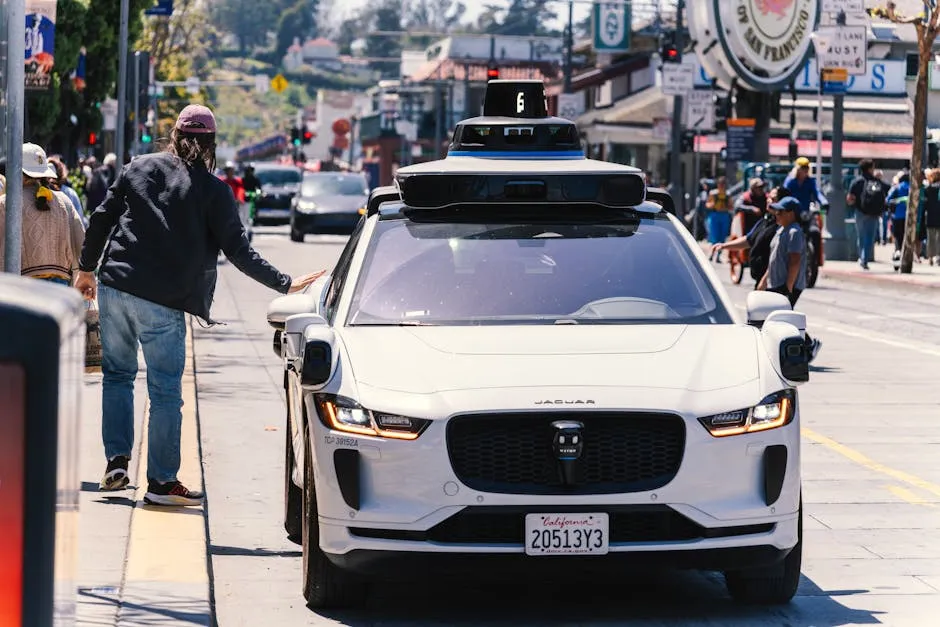
    The landscape of urban mobility is about to shift once again. Waymo, the self-driving car company backed by Alphabet, is preparing to deploy its latest autonomous vehicle, the Ojai, into public service. Painted in a distinctive pale-blue finish, these new robotaxis will soon begin picking up riders across California and Arizona. But beyond the sleek design and expanded geographic reach, the Ojai represents a significant evolution in how autonomous vehicles are built, scaled, and integrated into everyday life.

    A New Chapter in Waymo’s Fleet

    Waymo has long been a pioneer in the autonomous vehicle space, steadily expanding its driverless services in cities like Phoenix and San Francisco. The introduction of the Ojai marks a deliberate step toward scaling that operation. Rather than relying on heavily modified consumer vehicles, the Ojai is a purpose-built robotaxi designed specifically for commercial ride-hailing. Its streamlined exterior, optimized sensor placement, and spacious interior reflect a vehicle engineered from the ground up for autonomous operation.

    The pale-blue color scheme is more than just a branding choice. It makes the fleet instantly recognizable to riders and pedestrians alike, reinforcing transparency and trust on the road. As Waymo ramps up production, the goal is clear: increase fleet size, reduce passenger wait times, and make autonomous rides a more reliable part of daily transportation.

    Manufactured in China, Powered by American Innovation

    One of the most notable aspects of the Ojai is where it comes from. The vehicles are manufactured in China through a partnership with Geely, a major global automaker. This manufacturing arrangement might raise eyebrows for some, but it actually highlights a pragmatic approach to scaling autonomous technology. Building a robotaxi fleet requires precision engineering, strict quality control, and massive production capacity. Partnering with an established manufacturer allows Waymo to focus on what it does best: developing the artificial intelligence, sensor fusion, and safety systems that make the car drive itself.

    Despite the overseas assembly, the Ojai runs on Waymo’s proprietary AI stack. Every navigation decision, obstacle detection protocol, and passenger interaction is governed by algorithms trained on millions of miles of real-world driving data. The hardware may be built abroad, but the brain of the operation remains firmly rooted in Waymo’s research and development infrastructure in the United States.

    Rolling Out Across California and Arizona

    Public service for the Ojai fleet is slated to begin in the coming weeks, initially targeting areas in California and Arizona where Waymo already operates. These regions were chosen for their established infrastructure, favorable regulatory environment, and proven demand for driverless rides. Riders can expect the same seamless experience they have come to know from Waymo, but with improved vehicle comfort, better interior space, and enhanced ride smoothness.

    For cities looking to reduce traffic congestion and lower emissions, the expansion of a dedicated robotaxi fleet offers a compelling alternative to traditional ride-hailing services. By removing the need for human drivers, these vehicles can operate longer hours, optimize routing in real time, and integrate more efficiently with public transit networks.

    What This Means for the Future of Autonomous Transport

    The arrival of the Ojai is more than a product launch; it is a stress test for the entire autonomous mobility industry. As Waymo scales its fleet, other companies will be watching closely to see how manufacturing partnerships, regulatory approvals, and public adoption intersect. The success or challenges of this rollout could set a blueprint for how autonomous vehicles are deployed globally.

    There are still hurdles to overcome. Public perception, regulatory frameworks, and the sheer complexity of urban driving environments require continuous refinement. Yet, with each new vehicle hitting the road, the technology grows more robust. The Ojai represents a maturation phase for robotaxis, moving from experimental prototypes to a commercially viable, mass-produced solution.

    Looking Ahead

    As the pale-blue Ojai vehicles prepare to take to the streets of California and Arizona, one thing is certain: the era of the robotaxi is no longer a

    AI in transportation autonomous driving robotaxi self-driving technology Waymo
    Share. Facebook Twitter Pinterest LinkedIn Tumblr Email
    Previous ArticleThe Vatican’s Unlikely AI Ambassador: How Pope Leo XIV is Shaping Silicon Valley
    Next Article Returning to Code: How AI Is Reshaping the Workplace for New Mothers
    Felipe

    Related Posts

    AI

    AI Race Moves Beneath the Models: Chips, Infrastructure, Security, and Trust in 2026

    August 23, 2026
    AI

    AI in Supply Chain Optimization: Building Smarter, More Resilient Operations

    August 23, 2026
    AI

    AI Wonderland Weekly 24 July 2026: Why the Next AI Battle Is About Chips, Infrastructure, and Trust

    August 22, 2026
    Add A Comment

    Comments are closed.

    Top Posts

    WordPress Hosting Speed Battle 2025: We Tested 5 Hosts with 100k Monthly Visitors

    January 21, 20251,201 Views

    In-Depth Comparison: Claude vs. ChatGPT – Which AI Is Right for 2025?

    February 6, 2025298 Views

    10 Proven EmailSubject Line Strategies to Boost Open Rates by 50%

    January 21, 2025223 Views
    Stay In Touch
    • Facebook
    • YouTube
    • TikTok
    • WhatsApp
    • Twitter
    • Instagram
    Latest Reviews
    Blog

    Claude vs. ChatGPT: Which AI Assistant is Better?

    FelipeOctober 1, 2024
    Editor's Picks

    Top 10 Cybersecurity Practices for Online Privacy Protection

    FelipeSeptember 11, 2024
    Blog

    Top Tech Gadgets That Are Actually Worth Your Money in 2025

    FelipeSeptember 7, 2024

    Subscribe to Updates

    Get the latest tech news from FooBar about tech, design and biz.

    Most Popular

    WordPress Hosting Speed Battle 2025: We Tested 5 Hosts with 100k Monthly Visitors

    January 21, 20251,201 Views

    In-Depth Comparison: Claude vs. ChatGPT – Which AI Is Right for 2025?

    February 6, 2025298 Views

    10 Proven EmailSubject Line Strategies to Boost Open Rates by 50%

    January 21, 2025223 Views
    Our Picks

    AI Race Moves Beneath the Models: Chips, Infrastructure, Security, and Trust in 2026

    August 23, 2026

    AI in Supply Chain Optimization: Building Smarter, More Resilient Operations

    August 23, 2026

    AI Wonderland Weekly 24 July 2026: Why the Next AI Battle Is About Chips, Infrastructure, and Trust

    August 22, 2026

    Subscribe to Updates

    Get the latest creative news from FooBar about art, design and business.

    Facebook X (Twitter) Instagram Pinterest
    • Home
    • Tech
    • AI Tools
    • SEO
    • About AI Powerss
    • Privacy Policy
    • Terms and Conditions
    • Disclaimer
    • Get in Touch
    © 2026 Aipowerss. All Rights Reserved.

    Type above and press Enter to search. Press Esc to cancel.