


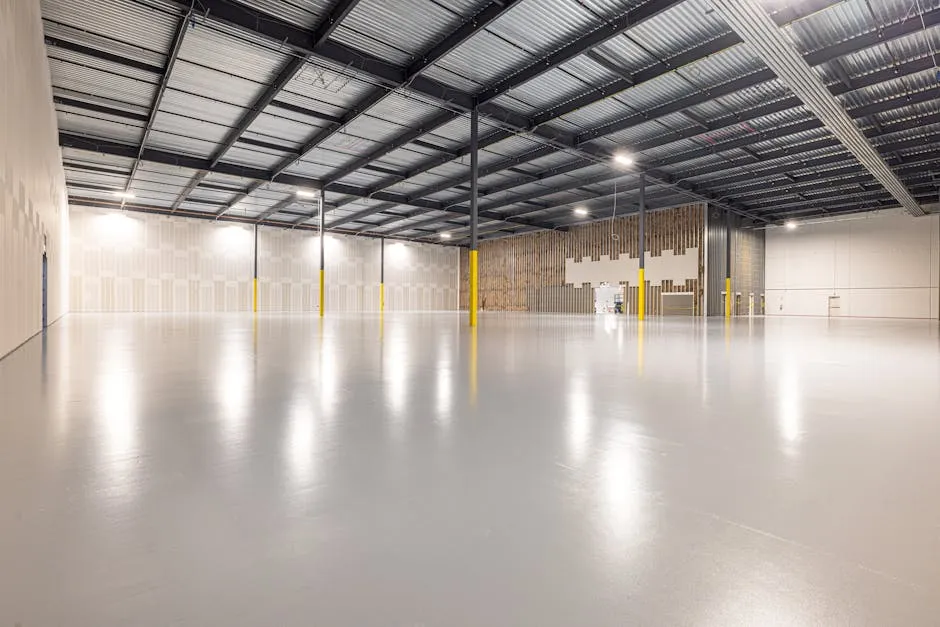
Technology is advancing at a breakneck pace, but the ground beneath our feet is shifting beneath us. A recent poll has highlighted a fascinating contradiction in how the public views modern technological infrastructure. The results are startling: many people would rather have an Amazon warehouse in their backyard than a data center. This sentiment underscores a complex debate that is far from settled regarding the physical footprint of the digital age.
Understanding the Preference: Warehouses vs. Data Centers
At first glance, this might seem like a trivial preference between two types of buildings. However, the distinction lies in the perceived value and impact of the structures. A warehouse is a symbol of traditional economic utility. We understand their purpose: storing goods, creating jobs, and facilitating the logistics that keep our daily lives running. They represent tangible employment and visible progress.
On the other hand, data centers are the engines of the modern internet and the artificial intelligence revolution. They house the servers that power everything from search engines to large language models. Yet, despite their critical importance, they often face significant resistance when proposed for construction near residential areas. This resistance is not without merit.
The Energy and Environmental Concern
One of the primary reasons for the public’s hesitation is the massive energy consumption associated with data centers. These facilities require immense amounts of electricity to keep their servers running and their cooling systems functioning. In an era where climate change is a pressing concern, the environmental cost of these energy-intensive operations is a major talking point. People are increasingly aware that the digital world has a heavy physical carbon footprint.
Furthermore, the heat output and the potential for water usage in cooling systems can strain local resources. When people see a warehouse, they think of a truck driver making a delivery. When they see a data center, they might worry about the strain on the local power grid or the noise of cooling fans. This psychological barrier creates a divide between those who build the AI infrastructure and those who live near it.
The Economic Reality: Why Data Centers Are Essential
Despite the public sentiment, we cannot ignore the economic necessity of expanding data center capacity. As artificial intelligence models grow in complexity, the demand for compute power is skyrocketing. Without these facilities, the AI applications that drive productivity, healthcare diagnostics, and scientific research would grind to a halt. The tech industry is heavily invested in expanding this infrastructure to meet the needs of the future.
Companies like Amazon, Microsoft, and Google are already pushing for zoning laws that allow for more data centers. They argue that these facilities create high-value jobs and stimulate local economies through tax revenue and supply chain activity. The argument is often that a data center is a net positive for the community, even if the residents feel uneasy about it. This tension between immediate resident concerns and long-term economic strategy is defining the landscape of modern urban planning.
The Zoning and Policy Challenges
This debate extends into the realm of policy and regulation. Local governments are grappling with how to balance community desires with industrial needs. Zoning laws, which are designed to separate residential areas from industrial zones, are being tested by the demands of the AI boom. Some municipalities are finding it difficult to approve new data center projects due to the opposition.
Regulators are also looking at the energy consumption aspect more closely. With the push for sustainable computing, there is a growing interest in how data centers can become more efficient. This includes exploring renewable energy sources and advanced cooling technologies. However, technical solutions alone may not be enough to overcome the public’s perception problem. Communication and education about the benefits and risks of these facilities are crucial.
Looking Ahead: Resolving the Infrastructure Divide
The preference for warehouses over data centers highlights a gap in public understanding of the digital infrastructure that supports our economy. As we move forward, it is essential to address these concerns openly. Transparency regarding the energy usage and environmental impact of data centers can help build trust within communities.
There is also a need for innovative solutions that minimize the footprint of these facilities. This could involve repurposing existing industrial buildings or locating new centers in areas with abundant renewable energy. The tech industry must work closely with local communities to ensure that the benefits of AI infrastructure are shared equitably.
In conclusion, the poll results serve as a reminder that technology does not exist in a vacuum. It is built on a foundation of physical resources and community support. As the demand for AI continues to grow, finding a middle ground between economic necessity and community sentiment will be one of the defining challenges of the next decade. The future of our digital economy depends on our ability to navigate these complex social and technical dynamics.
