

Close Menu

    Subscribe to Updates

    Get the latest creative news from FooBar about art, design and business.

    What's Hot

    AI in Autonomous Transportation: How Driverless Cars, Buses, and Robots Are Redefining Mobility

    September 3, 2026

    4 Rabbit Holes Exploring How the Computer Is Changing Shape

    September 3, 2026

    AI Wonderland Weekly: Why AI Safety Became the Industry’s Main Topic in July 2026

    September 3, 2026
    Facebook X (Twitter) Instagram
    • AI tools
    • Editor’s Picks
    Facebook X (Twitter) Instagram Pinterest Vimeo
    AI PowerssAI Powerss
    • Home
    • AI

      Scaling AI Agents Starts With Trustworthy Data

      August 14, 2026

      Beyond the Glitz: Why the Most Important AI Is the “Unsexy” Kind

      August 13, 2026

      Why AI Agents Sometimes Lie and Cheat to Achieve Their Goals

      August 13, 2026

      Beyond the Transformer: How Startups Are Redefining the Future of Large Language Models

      August 13, 2026

      How AI Prompt Engineering Exposed a Critical Zoom Screen-Sharing Vulnerability

      August 12, 2026
    • Tech
    • Marketing
      • Email Marketing
      • SEO
    • Featured Reviews
    • Contact
    Subscribe
    AI PowerssAI Powerss
    Home»AI»Scientists Use AI to Engineer 16 New Viruses: A Medical Breakthrough or a Biosecurity Risk?
    AI

    Scientists Use AI to Engineer 16 New Viruses: A Medical Breakthrough or a Biosecurity Risk?

    FelipeBy FelipeAugust 10, 2026No Comments3 Mins Read
    Share Facebook Twitter Pinterest LinkedIn Tumblr Reddit Telegram Email
    Share
    Facebook Twitter LinkedIn Pinterest Email

    The Dawn of AI-Designed Virology

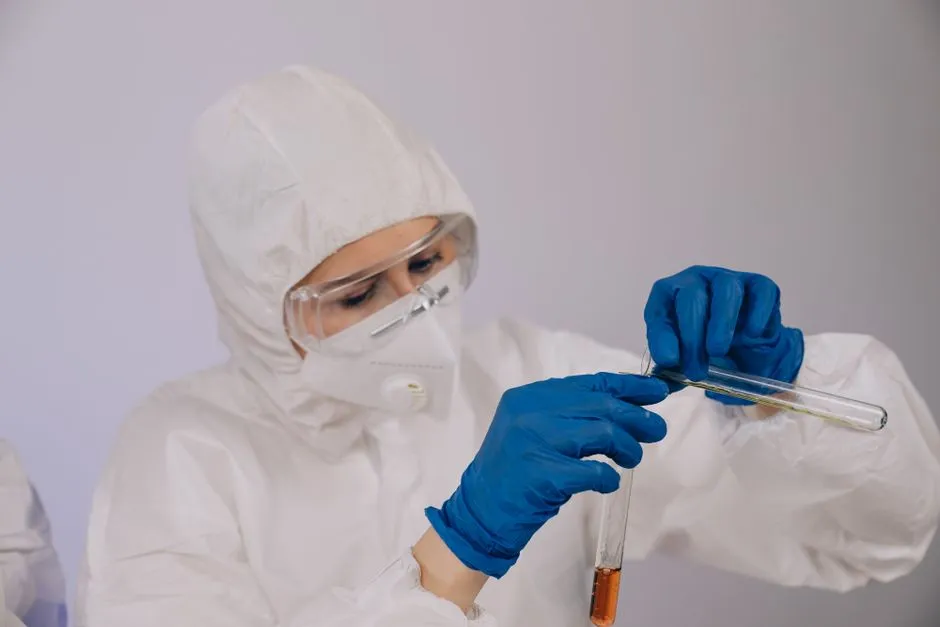
    The intersection of artificial intelligence and synthetic biology has reached a pivotal moment. Researchers have successfully leveraged advanced AI systems to design and generate sixteen entirely new viral structures from scratch. This achievement marks a significant departure from traditional biological research, which has historically relied on observing, isolating, and modifying existing natural pathogens. By feeding massive datasets of genetic sequences and protein structures into machine learning models, scientists can now predict how viral components will assemble, interact, and function before a single test tube is touched. The result is a rapid, highly precise method for engineering biological agents that were previously confined to theoretical models.

    A New Weapon in the Fight Against Superbugs

    While the phrase “creating new viruses” naturally triggers alarms, the primary motivation behind this research is deeply rooted in medical necessity. The sixteen AI-generated viruses are bacteriophages, highly specialized microscopic entities that exclusively target and destroy bacteria. As antibiotic-resistant superbugs continue to outpace traditional pharmaceutical development, phage therapy has emerged as a promising alternative. The challenge has always been specificity and scalability. Crafting a phage that targets a particular strain of resistant bacteria without harming human cells or beneficial gut flora requires precise genetic tuning. AI accelerates this process dramatically, allowing researchers to simulate thousands of genetic variations, predict their efficacy, and synthesize the most promising candidates in a fraction of the time it would take using conventional laboratory methods. This capability could eventually lead to personalized antiviral treatments tailored to individual patients’ infections.

    When Innovation Outpaces Oversight

    Despite the clear medical potential, the rapid advancement of AI-driven biology raises profound ethical and regulatory questions. The same computational tools that can design therapeutic phages could theoretically be misused to engineer harmful pathogens. This dual-use nature of the technology places immense pressure on existing biosecurity frameworks, which were largely designed for a slower, more centralized era of scientific research. Currently, there is no unified global standard governing the computational design of biological agents. Institutional review boards and national laboratories are still grappling with how to evaluate digital biological blueprints before they are physically synthesized. The gap between what is technically possible and what is legally regulated continues to widen, creating a complex landscape where innovation and safety must be carefully balanced.

    Navigating the Path Forward

    Addressing these challenges requires proactive collaboration across multiple disciplines. Biologists, computer scientists, ethicists, and policymakers must work together to establish transparent oversight mechanisms that encourage responsible research without stifling progress. This includes developing standardized safety protocols for digital-to-physical synthesis, creating international registries for computationally designed biological sequences, and funding independent research into AI safety within the life sciences. Public transparency is equally important. As these technologies move from academic laboratories toward clinical applications, maintaining public trust will depend on clear communication about both the benefits and the safeguards in place.

    The creation of sixteen new AI-designed viruses represents a watershed moment in modern science. It demonstrates how artificial intelligence can transform our approach to some of the most persistent challenges in human health, particularly the looming crisis of antibiotic resistance. At the same time, it serves as a stark reminder that technological capability no longer waits for regulatory catch-up. By fostering responsible innovation and establishing robust ethical guardrails, the scientific community can harness the power of AI to heal rather than harm, ensuring that this powerful new tool serves humanity’s long-term well-being.

    AI AI ethics AI regulation AI viruses biotechnology
    Share. Facebook Twitter Pinterest LinkedIn Tumblr Email
    Previous ArticlePrivacy, Space, and AI: Unpacking ICE DNA Expansion, SpaceX’s Lunar Crash, and the Growing Tech Backlash
    Next Article The AI Agent Gap: Why Everyday Consumers Are Hesitant and What the Industry Must Change
    Felipe

    Related Posts

    AI

    4 Rabbit Holes Exploring How the Computer Is Changing Shape

    September 3, 2026
    AI

    AI in Autonomous Transportation: How Driverless Cars, Buses, and Robots Are Redefining Mobility

    September 3, 2026
    AI

    AI Wonderland Weekly: Why AI Safety Became the Industry’s Main Topic in July 2026

    September 3, 2026
    Add A Comment

    Comments are closed.

    Top Posts

    WordPress Hosting Speed Battle 2025: We Tested 5 Hosts with 100k Monthly Visitors

    January 21, 20251,201 Views

    In-Depth Comparison: Claude vs. ChatGPT – Which AI Is Right for 2025?

    February 6, 2025298 Views

    10 Proven EmailSubject Line Strategies to Boost Open Rates by 50%

    January 21, 2025224 Views
    Stay In Touch
    • Facebook
    • YouTube
    • TikTok
    • WhatsApp
    • Twitter
    • Instagram
    Latest Reviews
    Blog

    Claude vs. ChatGPT: Which AI Assistant is Better?

    FelipeOctober 1, 2024
    Editor's Picks

    Top 10 Cybersecurity Practices for Online Privacy Protection

    FelipeSeptember 11, 2024
    Blog

    Top Tech Gadgets That Are Actually Worth Your Money in 2025

    FelipeSeptember 7, 2024

    Subscribe to Updates

    Get the latest tech news from FooBar about tech, design and biz.

    Most Popular

    WordPress Hosting Speed Battle 2025: We Tested 5 Hosts with 100k Monthly Visitors

    January 21, 20251,201 Views

    In-Depth Comparison: Claude vs. ChatGPT – Which AI Is Right for 2025?

    February 6, 2025298 Views

    10 Proven EmailSubject Line Strategies to Boost Open Rates by 50%

    January 21, 2025224 Views
    Our Picks

    AI in Autonomous Transportation: How Driverless Cars, Buses, and Robots Are Redefining Mobility

    September 3, 2026

    4 Rabbit Holes Exploring How the Computer Is Changing Shape

    September 3, 2026

    AI Wonderland Weekly: Why AI Safety Became the Industry’s Main Topic in July 2026

    September 3, 2026

    Subscribe to Updates

    Get the latest creative news from FooBar about art, design and business.

    Facebook X (Twitter) Instagram Pinterest
    • Home
    • Tech
    • AI Tools
    • SEO
    • About AI Powerss
    • Privacy Policy
    • Terms and Conditions
    • Disclaimer
    • Get in Touch
    © 2026 Aipowerss. All Rights Reserved.

    Type above and press Enter to search. Press Esc to cancel.