


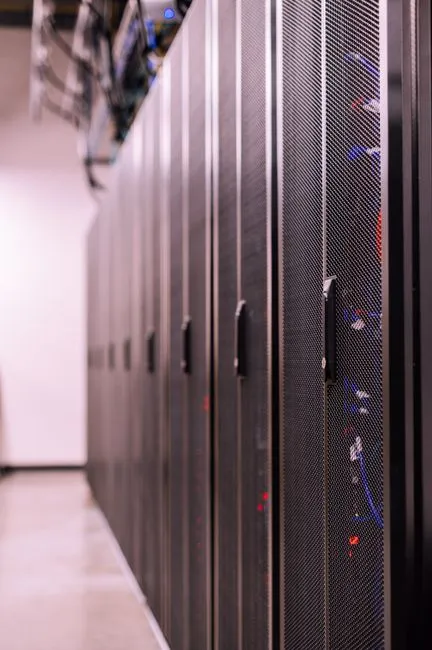
In the midst of a global AI boom, where tech giants are racing to build massive data centers and hoard graphics processing units (GPUs), LinkedIn is taking a decidedly different approach. While companies like Microsoft and Google are investing billions in new compute infrastructure, the professional social network is holding the line. Instead of expanding its data centers over the next year, LinkedIn is challenging its engineering teams to squeeze every last drop of performance out of the hardware they already have.
This contrarian strategy flies in the face of the prevailing industry wisdom that more compute is always better. But for LinkedIn, a platform with over a billion members, the decision is not about being cheap. It is about being smart, efficient, and sustainable. The company is betting that optimization and ingenuity can deliver the AI-powered features its users want without the massive capital expenditure and environmental footprint of new construction.
The Challenge: Doing More with Less
The core of LinkedIn’s strategy is a simple but difficult challenge for its engineers: make every GPU count. This means focusing on software efficiency, model optimization, and smarter resource allocation. Instead of throwing more hardware at a problem, LinkedIn is asking its teams to refine algorithms, reduce latency, and improve the performance of existing AI models.
This approach has several benefits. First, it is significantly cheaper. Building and maintaining a data center is a multi-billion dollar endeavor. By optimizing current resources, LinkedIn can redirect that capital toward product development, user experience, and other strategic initiatives. Second, it is more environmentally friendly. Data centers are notorious for their energy consumption. By reducing the need for new infrastructure, LinkedIn is actively lowering its carbon footprint.
Finally, this strategy forces a culture of technical excellence. When you cannot simply buy your way out of a performance problem, you are forced to innovate. This can lead to breakthroughs in model architecture, training techniques, and inference optimization that might not have been discovered otherwise.
What This Means for LinkedIn’s AI Features
Users might wonder if this conservative approach will slow down the rollout of new AI tools on the platform. The answer is likely no. LinkedIn has already been integrating AI into key areas, such as its AI-powered writing assistant for profiles and posts, job search recommendations, and content summarization. The company is proving that these features can be delivered effectively without a massive expansion of compute capacity.
By focusing on efficiency, LinkedIn can actually deploy AI features faster. The bottleneck is no longer waiting for new hardware to be installed and configured. Instead, it is about training models that are leaner and faster to run. This allows for more rapid iteration and experimentation. If a new AI feature works well, it can be scaled up quickly using existing resources. If it does not, the cost of failure is much lower.
A Smarter Path for Enterprise AI
LinkedIn’s strategy offers a powerful lesson for other businesses, especially those in the enterprise space. The AI gold rush has created a perception that you need massive, state-of-the-art infrastructure to compete. But for many organizations, the real competitive advantage lies in how you use the technology, not just how much of it you own.
Investing in optimization and efficiency is a more sustainable and cost-effective path. It forces teams to understand their models deeply, identify bottlenecks, and build custom solutions that are perfectly tailored to their specific needs. This is the difference between being a consumer of AI and being a true innovator in the field. For companies looking to build a robust AI strategy without breaking the bank, this approach is a blueprint for success.
The Long Game
LinkedIn’s decision to hold the line on data center expansion is not a sign that it is slowing down on AI. On the contrary, it is a sign of maturity. The company is playing the long game, focusing on building a sustainable, efficient, and innovative AI infrastructure that can support its platform for years to come.
While competitors are racing to build bigger and bigger data centers, LinkedIn is betting that a smarter, more optimized approach will win the day. It is a reminder that in the world of technology, sometimes the most powerful move is not to build more, but to make what you already have work better. This disciplined focus on efficiency could very well be the key to maintaining a competitive edge in the fast-moving world of AI.
