


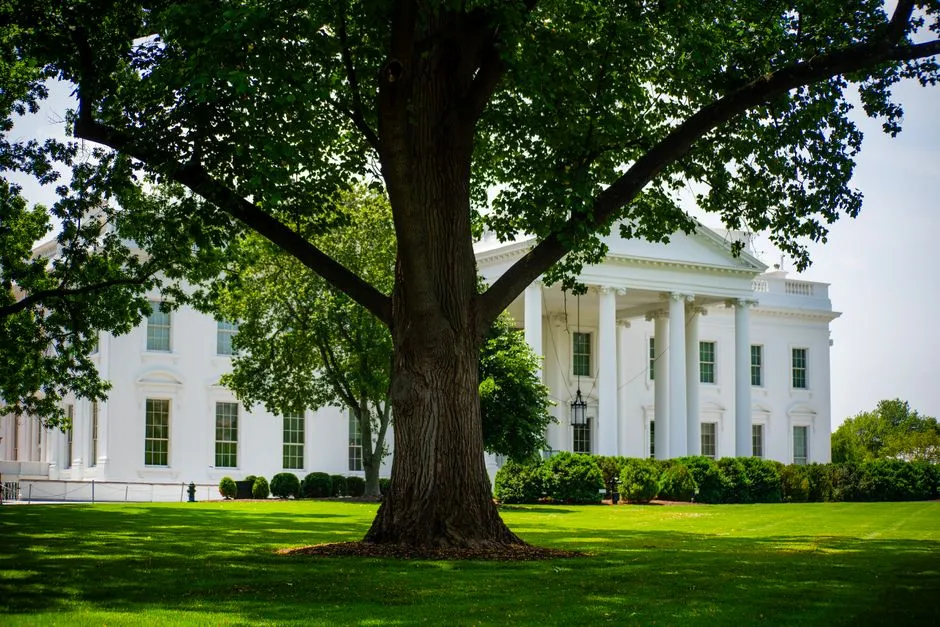
The artificial intelligence landscape has shifted dramatically in recent years. What was once a purely technical race has evolved into a complex geopolitical chess match, and at the center of this shifting dynamic is a quiet but intense debate within the White House: how should the United States respond to the rapid advancement of Chinese artificial intelligence models? As domestic and international tech sectors brace for the next wave of innovation, policymakers are grappling with a question that sits at the intersection of national security, economic competition, and technological sovereignty.
The Rapid Ascent of Chinese AI Capabilities
It is no secret that China has poured substantial resources into artificial intelligence over the past decade. From government-backed research initiatives to aggressive private sector investment, the country has cultivated an ecosystem that prioritizes rapid scaling and deployment. Chinese tech giants and emerging startups alike have released large language models, vision systems, and agentic frameworks that rival their Western counterparts in both capability and efficiency.
What makes this development particularly notable is the strategic approach behind it. Rather than relying solely on open-source collaboration, Chinese developers have been optimizing for domestic compute infrastructure, refining data pipelines, and tailoring models to regional markets. This has created a self-reinforcing cycle of improvement that is difficult for foreign regulators to contain. As these models grow more sophisticated, they are no longer just tools for enterprise automation; they are becoming central to everything from healthcare diagnostics to autonomous logistics.
The White House Crossroads: Restriction vs. Adaptation
Inside Washington, the conversation has moved beyond theoretical discussions and into actionable policy planning. The current administration is weighing several competing approaches, each carrying its own set of risks and rewards. On one side of the debate are advocates for stricter export controls and compute restrictions. The logic is straightforward: by limiting access to advanced semiconductor technology and cloud infrastructure, the U.S. can slow the pace of foreign AI development and protect critical intellectual property.
On the other side, however, are voices pushing for a more adaptive strategy. These policymakers argue that outright restriction could inadvertently stifle American innovation, drive Chinese developers toward complete technological independence, and fracture global research communities. Instead, they suggest focusing on strengthening domestic AI infrastructure, improving workforce training, and establishing clear safety standards that the U.S. can lead internationally. The challenge lies in finding a middle ground that protects national interests without isolating American tech from the global market.
The Ripple Effect on Global Innovation
Whatever path the White House chooses will inevitably send shockwaves through the broader technology sector. American companies are already navigating a fragmented regulatory environment, and any new restrictions could complicate supply chains, cloud partnerships, and international research collaborations. At the same time, consumers and businesses worldwide are increasingly dependent on AI-driven solutions that cross borders effortlessly. When policy decisions prioritize containment over cooperation, the immediate result is often market uncertainty, delayed product launches, and heightened compliance costs.
Yet there is also an opportunity hidden within this complexity. The pressure to respond to foreign AI advancements is forcing the U.S. to clarify its own technological priorities. It is pushing lawmakers to invest in domestic semiconductor manufacturing, fund public research initiatives, and develop transparent governance frameworks. If handled correctly, this moment could serve as a catalyst for a more resilient and forward-looking American tech ecosystem.
Charting a Sustainable Path Forward
The reality is that artificial intelligence will not respect political boundaries or trade restrictions. Code is borderless, and innovation thrives on exchange. Rather than viewing Chinese AI development as a zero-sum threat, U.S. policymakers would benefit from treating it as a benchmark for progress. The goal should not be to halt foreign advancement, but to ensure that American AI remains competitive, secure, and ethically grounded.
This means doubling down on education, supporting responsible research, and fostering public-private partnerships that prioritize long-term sustainability over short-term wins. It also requires clearer communication with international allies to establish shared standards for AI safety, transparency, and accountability. When the U.S. leads with clarity and collaboration, it sets a precedent that other nations are more likely to follow.
As the debate continues behind closed doors, one thing remains clear: the decisions made in the coming months will shape the trajectory of artificial intelligence for years to come. The White House is not just drafting policy; it is helping to define the future of a technology that will touch every aspect of modern life. Navigating this moment requires patience, precision, and a willingness to look beyond immediate geopolitical tensions toward a more sustainable technological horizon.
